
Have you ever looked down at a floor drain and wondered if it’s supposed to have water sitting in it? You might think it’s just a small detail, but whether or not your floor drains have water can make a big difference in your home’s safety and cleanliness.
Ignoring this can lead to unpleasant smells, clogged pipes, or even pest problems. Keep reading to find out why that little bit of water matters and what you should do to keep your drains working the right way. Your home—and your peace of mind—depend on it.
Purpose Of Floor Drains
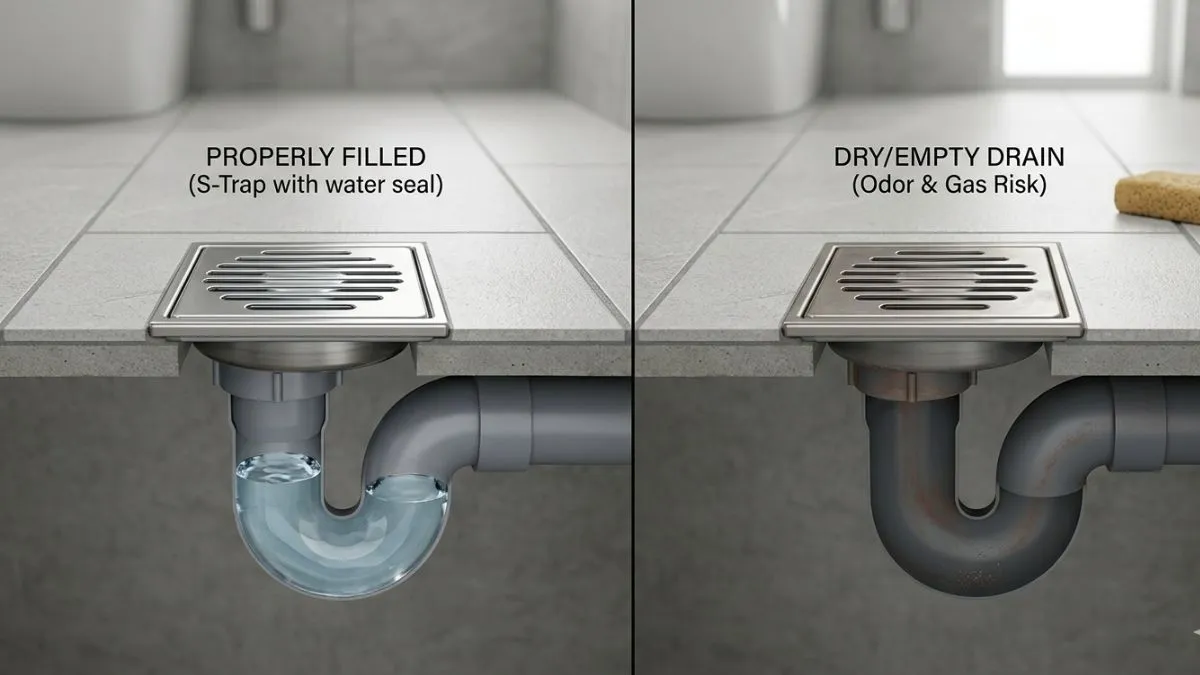
Floor drains are important parts of many buildings. They help carry away water and keep floors dry. Many people wonder if floor drains should have water in them. The answer is yes, they usually need some water. This water acts as a barrier. It stops bad smells and gases from coming up through the drain.
Preventing Flood Damage
Floor drains help stop water from flooding indoor spaces. They collect water that spills or leaks on floors. This water then moves safely into the drainage system. Without floor drains, water can build up and cause damage.
Water in the drain creates a seal. This seal blocks gases and pests from entering. It also keeps the drain clear of dry debris that can cause clogs.
- Water acts as a barrier to stop flooding.
- Helps water flow smoothly into the pipes.
- Prevents buildup of debris and blockages.
Managing Wastewater
Floor drains carry away wastewater from sinks, showers, and appliances. They guide used water safely out of the building. Water inside the drain helps keep pipes from drying out and cracking.
Without water in the drain, the seal breaks. This can let bad smells come in. It also allows dirt and bugs to enter the building.
- Water in drains ensures smooth wastewater flow.
- Prevents pipe damage by keeping seals moist.
- Blocks smells and pests from coming inside.
Ventilation And Odor Control
Water in floor drains is key to stopping bad smells from coming up. The water makes a trap. This trap blocks sewer gases from entering rooms.
Good ventilation works with the water trap. It helps move air and reduce odors further.
Without water, the trap dries out. Sewer gases can then leak inside. This causes unpleasant smells and health risks.
- Water creates a barrier against sewer gases.
- Prevents odors from spreading indoors.
- Supports proper air flow and ventilation.
Role Of Water In Floor Drains
Floor drains are common in many buildings. They help remove water from floors. Water in these drains plays an important role. It stops bad smells from coming up. This simple layer of water acts as a barrier. It keeps harmful gases out of rooms.
What Does Water Do In Floor Drains?
Water in floor drains creates a seal. This seal blocks sewer gases from rising. Without water, bad smells can enter homes or buildings. It also stops bugs from coming up. The water layer is called a “trap.” It is a key part of drain design.
How Much Water Should Be In The Drain?
The water level must be enough to cover the trap. Usually, this means about 2 to 4 inches. Too little water means the seal breaks. Too much water can cause slow drainage. Keeping the right water level is important for the drain to work well.
What Happens If There Is No Water In The Drain?
- Bad odors can enter the building.
- Insects and pests may come inside.
- Harmful sewer gases can cause health problems.
- Drain traps lose their function without water.
How To Keep Water In Floor Drains?
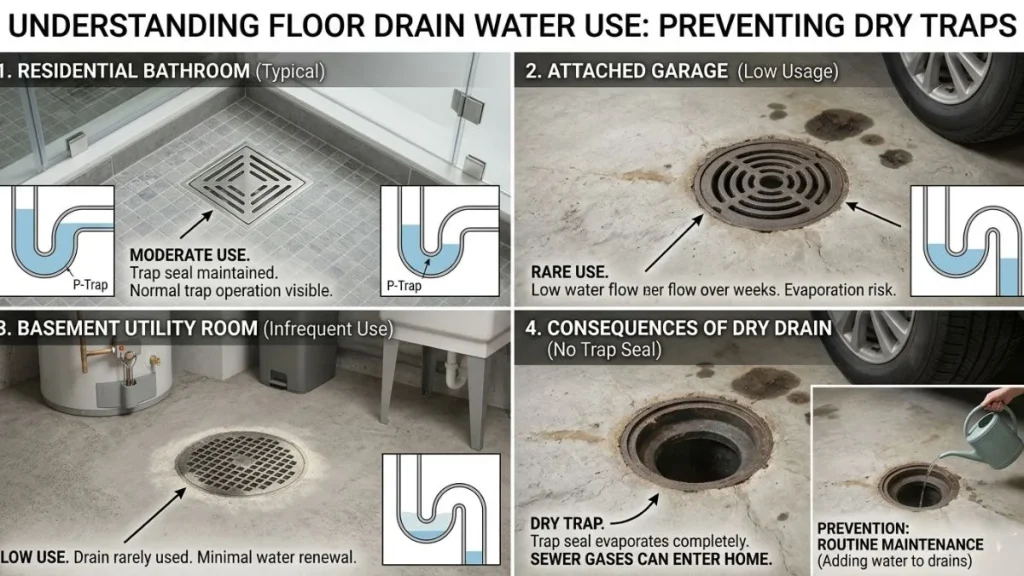
- Pour water into the drain regularly to refill the trap.
- Check for leaks or cracks in the drain system.
- Clear blockages that may stop water from staying in the trap.
- Use drain covers to reduce evaporation.
Consequences Of Dry Floor Drains
Floor drains are important parts of many buildings. They help remove water and prevent flooding. These drains have a small amount of water in them, called a water trap. This water stops bad smells and gases from coming inside. If the water dries out, problems can start. Dry floor drains can cause bad smells, let pests enter, and even create health risks.
Foul Odors And Gas Leakage
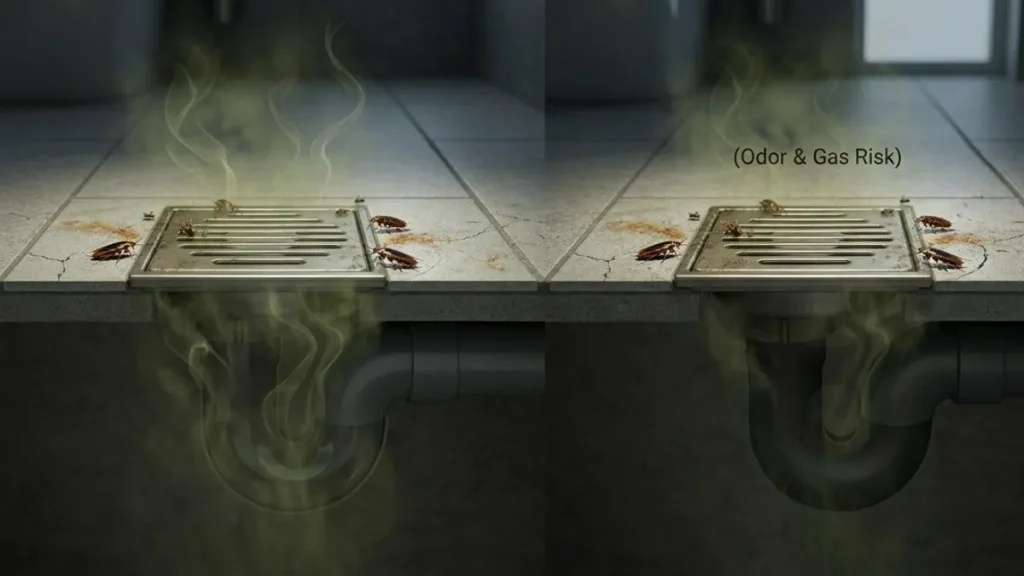
Dry floor drains lose their water seal. This allows sewer gases to enter the building. These gases often have a bad smell. The smell is unpleasant and can spread quickly. It makes living or working spaces uncomfortable.
Some common gases that can leak include:
- Methane: A flammable and odorless gas.
- Hydrogen sulfide: Smells like rotten eggs.
- Ammonia: Has a sharp, strong smell.
These gases come from sewage and waste systems. The water in the drain acts as a barrier. Without water, gases pass freely through the drain.
Signs of foul odors and gas leakage:
- Strong bad smells near the drain.
- Feeling dizzy or nauseous.
- Unusual humidity or mold growth.
Pest Intrusion Risks
Dry floor drains allow pests to enter buildings easily. Many insects and small animals live in sewers. They use drains to find food and shelter. Water in floor drains blocks their path.
Common pests that invade through dry drains:
- Rats: Carry diseases and damage property.
- Cockroaches: Spread germs and cause allergies.
- Flies: Lay eggs and contaminate food.
Without water, pests can climb up drain pipes. They enter homes or workplaces through the drain openings. This can lead to infestations and health problems.
To reduce pest risks, keep floor drains filled with water. Regularly check and refill dry drains. Also, use drain covers or screens to block pests.
Potential Health Hazards
Dry floor drains can cause health issues. Sewer gases contain harmful chemicals. Breathing these gases can irritate the eyes, nose, and throat. Long exposure may cause headaches or breathing problems.
Some health risks include:
| Health Issue | Cause | Effect |
| Respiratory problems | Inhaling sewer gases | Cough, wheezing, shortness of breath |
| Allergic reactions | Exposure to pests and mold | Skin rashes, sneezing, itching |
| Infections | Contact with germs from pests | Stomach upset, fever |
Children, elderly, and sick people are more vulnerable. Keeping floor drains filled with water protects health. It stops gases and pests from entering living spaces.
Common Scenarios For Dry Drains
Floor drains usually have water to stop bad smells and gas from coming up. Sometimes, drains can be dry. This can cause problems. It is important to know why a drain might be dry. Some causes are normal. Others need fixing quickly.
Drains Not Used Often
Drains in places used rarely may dry out. Water in the drain evaporates over time. This leaves the drain empty. Without water, sewer smells can enter the room. Pouring water into the drain regularly keeps a water barrier. This is an easy way to prevent bad odors.
Leaks Or Cracks In Drain Pipes
Leaks or cracks can cause water to escape from drain pipes. Water that should stay in the trap runs out. This leaves the drain dry. Inspecting pipes for damage helps find leaks. Fixing cracks stops water loss and keeps traps full.
Blocked Or Clogged Drain Pipes
Blockages can stop water from flowing into the drain. If water can’t refill the trap, it dries out. Common clogs include hair, dirt, and grease. Cleaning drains often prevents clogs. Use a drain cleaner or call a plumber if blocked.
Evaporation In Hot Or Dry Areas
Hot and dry environments increase evaporation speed. Water in drains evaporates faster than usual. This can leave drains dry in a short time. Adding water to drains often helps. Covering drains can also reduce evaporation.
Improper Drain Installation
Drains installed with mistakes can dry out easily. If the trap is too shallow, water may leave quickly. Wrong pipe angles can stop water from staying in the trap. Proper installation is key to keep drains wet and working well.
Alternatives To Water Traps
Floor drains usually have water in them to stop bad smells and gases from coming up. This water acts as a trap, blocking the sewer air. But water traps can dry out or leak. That’s why some people use other ways to keep drains sealed. These ways are called alternatives to water traps. They work without needing water to block smells. Here are some common alternatives that help keep your drains safe and clean.
Mechanical Traps
Mechanical traps use parts that open and close to stop smells. They do not rely on water. Instead, these traps have a flap or valve that moves when water flows. This flap closes after water passes, blocking sewer gases.
Benefits of mechanical traps:
- Work without water, so no drying out problem
- Stop bad smells and gases effectively
- Easy to install in many types of floor drains
- Require less maintenance compared to water traps
Some mechanical traps have springs or weights to help the flap close tightly. Others use gravity to keep the seal. They are good for places where water does not flow often. Mechanical traps can last a long time if cleaned regularly.
Air Admittance Valves
Air admittance valves (AAVs) let air enter the drain system but stop sewer gases from escaping. They help balance pressure inside pipes. This stops water traps from drying out.
How AAVs work:
- Open to allow air in when water flows
- Close to block sewer gases after water passes
- Keep water traps full longer by balancing air pressure
AAVs are small and easy to install on drain pipes. They are good for places where vent pipes are hard to add. But AAVs must be installed correctly to work well. They also need to be checked to make sure the valve is not stuck.
Chemical Sealants
Chemical sealants create a barrier in the drain to block bad smells. These liquids or gels form a seal that stops gases from coming up. They do not use water or moving parts.
Types of chemical sealants:
| Sealant Type | Description | Use |
| Gel Sealants | Thick gel that sticks inside the drain | Best for slow-draining or unused drains |
| Liquid Sealants | Flowing liquid that settles and seals | Good for regular drains and traps |
| Foam Sealants | Expands to fill gaps and block gases | Used in larger drain openings |
Chemical sealants need to be replaced after some time. They are easy to apply but may not work well in all drains. Some sealants can also affect pipes if used too often. They offer a simple way to stop smells without water.
You May Read Also: How to Drain a Water Heater With No Floor Drain
Conclusion
Floor drains need water to stop bad smells from coming up. Water acts as a seal in the drain trap. Without water, gases and bugs can enter your home. Check the water level in drains regularly. Pour some water if you see it is dry.
This small step protects your space from odors and pests. Keep drains clean and clear of debris too. Simple care keeps your drains working well and your home fresh. Remember, a little water in the floor drain goes a long way.