

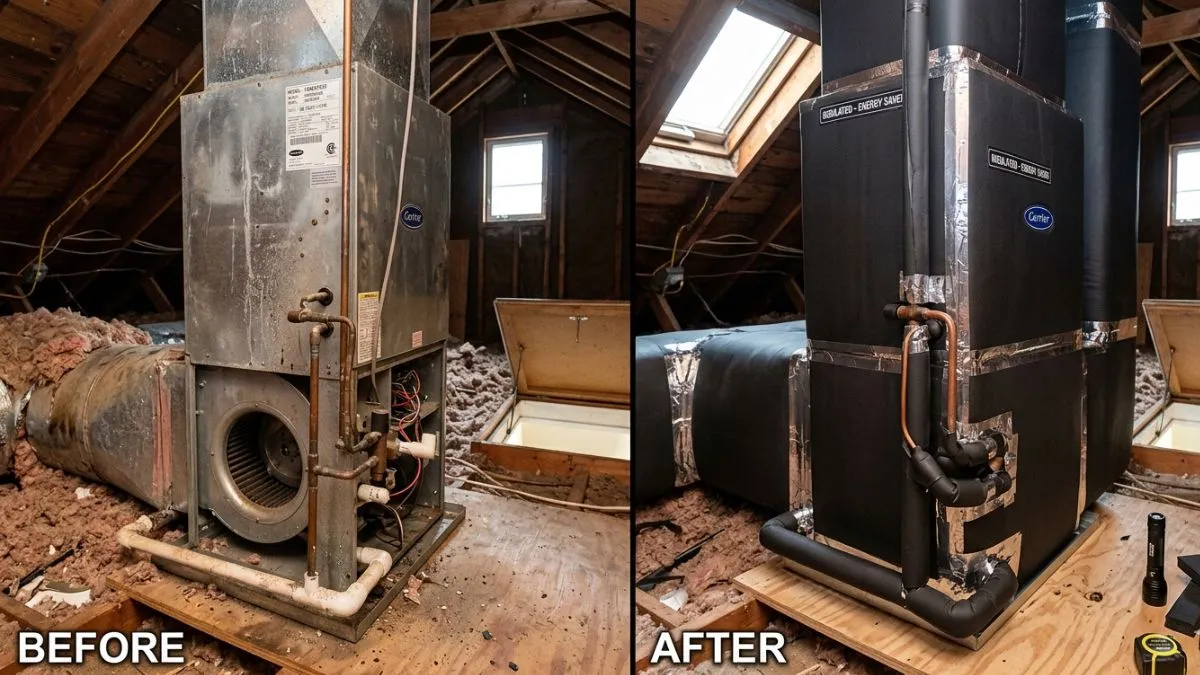
Are you wondering if your air handler really needs insulation? You’re not alone.
Many homeowners overlook this simple step, but it can make a big difference in your comfort and energy bills. Imagine your system running smoother, quieter, and more efficiently just by adding a layer of protection. You’ll discover why insulating your air handler could be one of the smartest moves for your home.
Benefits Of Insulating Air Handlers
Insulating air handlers offers several important benefits that improve HVAC system performance and home comfort. An insulated air handler reduces heat loss and gain, helping the system work more efficiently. It also controls moisture, which protects the equipment and the indoor air quality. Noise reduction is another key advantage that creates a quieter living space.
Energy Efficiency Improvements
Insulating air handlers helps keep the air temperature stable as it moves through the system. This means less energy is needed to heat or cool the air to the desired level. The HVAC system does not have to work as hard, which reduces electricity use and lowers utility bills.
Key ways insulation improves energy efficiency:
- Reduces heat loss in winter: Warm air stays warm while moving through ducts and the air handler.
- Prevents heat gain in summer: Cool air keeps its temperature without warming up inside the system.
- Improves system lifespan: Less strain on components means fewer repairs and longer service life.
Moisture Control
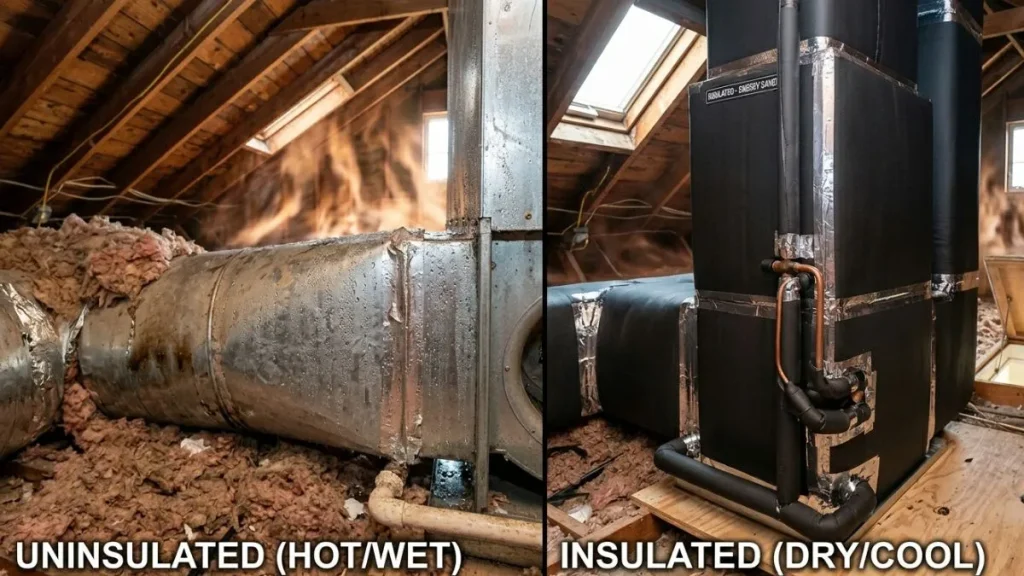
Air handlers often carry cool, moist air that can cause condensation inside the system. Insulation acts as a barrier to prevent moisture buildup. This stops rust, mold, and water damage, which can harm both the equipment and indoor air quality.
Key moisture control benefits include:
- Prevents condensation: Insulation keeps surfaces above dew point temperature.
- Stops mold growth: Dry conditions reduce the chance of mold forming inside ducts.
- Protects air handler parts: Moisture can corrode metal and damage electrical components.
- Improves indoor air quality: Less mold and mildew means cleaner air inside your home.
Noise Reduction
Air handlers can produce noise from fans, motors, and air moving through ducts. Insulation helps absorb and block these sounds. This creates a quieter home environment, especially in rooms near the air handler.
Benefits of noise reduction through insulation:
- Reduces fan and motor noise: Insulation dampens vibrations and sounds coming from the air handler.
- Blocks airborne noise: Helps stop sound from traveling through ducts and walls.
- Improves comfort: Less noise means fewer distractions and a more peaceful home.
Adding insulation around the air handler and ducts is an easy way to reduce noise levels. It is especially helpful in homes with bedrooms or living spaces near HVAC equipment.
Types Of Insulation Materials
Insulating an air handler improves energy efficiency and reduces heat loss or gain. Choosing the right type of insulation material matters for performance and durability. Different materials offer unique benefits and fit various installation needs. Understanding common insulation types helps in picking the best solution for air handler units.
Fiberglass
Fiberglass insulation is one of the most popular choices for air handlers. It consists of tiny glass fibers spun together to form a soft, fluffy material. This insulation type traps air within the fibers, which slows down heat transfer effectively.
Key features of fiberglass insulation include:
- High thermal resistance (R-value) to reduce heat flow.
- Lightweight and easy to install around ducts and air handlers.
- Good sound absorption, lowering noise from the air system.
- Non-combustible and fire-resistant.
Fiberglass comes in different forms such as batts, rolls, or loose-fill. Batts and rolls fit well around rectangular air handlers, while loose-fill fills irregular spaces. It is important to wear protective gear during installation because glass fibers can irritate skin and lungs.
| Property | Fiberglass Insulation |
| R-Value per inch | 2.9 to 3.8 |
| Moisture Resistance | Moderate, can absorb water |
| Installation | Simple, requires protective gear |
| Cost | Low to moderate |
Foam Board
Foam board insulation consists of rigid panels made from materials like polystyrene, polyisocyanurate, or polyurethane. These boards offer high insulation value in a thin layer. Foam boards are great for insulating air handlers with limited space.
Advantages of foam board include:
- High R-value per inch, providing strong thermal resistance.
- Moisture resistance, preventing mold and mildew growth.
- Easy to cut and shape for custom fitting around units.
- Durability and long lifespan.
Foam boards come in thicknesses from ¼ inch to several inches. They can be glued or mechanically fastened to air handler surfaces. Some foam boards have foil facing, which adds a radiant barrier effect. Care must be taken to seal edges tightly to avoid air leaks.
| Type | R-Value per inch | Moisture Resistance | Typical Use |
| Polystyrene | 3.6 to 4.5 | Good | Wall and duct insulation |
| Polyisocyanurate | 6.0 to 6.5 | Excellent | High-performance insulation |
| Polyurethane | 5.6 to 6.0 | Excellent | Commercial HVAC applications |
Reflective Insulation
Reflective insulation works differently from fiberglass and foam. It uses a reflective surface, usually aluminum foil, to bounce radiant heat away. This type of insulation is helpful in air handlers located in hot climates or near heat sources.
Main benefits of reflective insulation include:
- Reduces radiant heat transfer, keeping air handlers cooler.
- Thin and lightweight, easy to install in tight spaces.
- Resistant to moisture and does not support mold growth.
- Can be combined with other insulation materials for better results.
Reflective insulation often comes as foil-faced bubble wrap or foil-faced foam boards. It performs best when an air gap exists between the reflective surface and the air handler. This setup allows heat to reflect instead of conduct through the material.
| Type | Function | Best Use |
| Foil-faced bubble wrap | Reflects radiant heat | Air handlers in hot environments |
| Foil-faced foam board | Reflects heat and adds R-value | Combined insulation layers |
When Insulation Is Essential
Insulating an air handler plays a crucial role in maintaining energy efficiency and system performance. Knowing when insulation is essential helps protect the unit and reduces energy loss. Not every air handler needs insulation, but certain conditions make it necessary to avoid problems like condensation, heat loss, or noise.
Climate Considerations
The local climate greatly influences whether an air handler should be insulated. In areas with extreme temperatures, insulation helps maintain the desired air temperature inside ducts and the air handler itself.
- Cold Climates: Insulation prevents heat loss, keeping warm air inside ducts. It also stops condensation from forming on cold surfaces, which can cause water damage and mold growth.
- Hot Climates: Insulating the air handler reduces heat gain from the outside. This keeps cooled air cold, lowering energy use and improving comfort.
- Humid Climates: Moisture in the air increases the risk of condensation on air handlers. Insulation acts as a barrier to prevent water buildup and potential corrosion.
Location Of Air Handler
The air handler’s placement affects the need for insulation. Some locations expose the unit to temperature swings and moisture, increasing the risk of energy loss and damage.
- Unconditioned Spaces: Attics, basements, or garages often have wide temperature changes. Insulation helps keep air handler components stable and protects against condensation.
- Outdoor or Semi-Outdoor Areas: Units placed outside or in partially open spaces face direct sunlight, rain, and wind. Insulating these handlers improves efficiency and protects parts.
- Indoor Conditioned Spaces: Air handlers inside heated or cooled rooms might not need as much insulation. But it depends on other factors like system design and climate.
System Design Factors
The design of the HVAC system plays a key role in deciding if insulation is essential for the air handler. Several design elements influence this choice:
- Air Handler Type: Some models have metal surfaces prone to condensation and heat transfer. Insulation helps control this.
- Cooling Load: Systems with high cooling demand lose more cool air without insulation, leading to inefficiency.
- Ductwork Proximity: If ducts run close to the air handler and through unconditioned spaces, insulating the air handler and ducts minimizes energy loss.
- Airflow Rate: High airflow means more heat exchange. Insulation helps maintain consistent temperatures.
Choosing to insulate based on system design improves HVAC efficiency and comfort.
Potential Drawbacks Of Insulation
Insulating an air handler can improve energy efficiency and reduce noise. Yet, it is important to consider the potential drawbacks of insulation. Some issues may affect performance, costs, and upkeep. These factors matter for homeowners and building managers.
Cost Implications
Insulating an air handler adds to the initial installation cost. Materials like foam, fiberglass, or rubber come with different prices. Labor costs also increase because installing insulation takes extra time and care.
Typical cost factors include:
- Material price per square foot
- Labor hours needed
- Additional tools or adhesives required
- Long-term maintenance expenses
Here is a simple cost comparison table:
| Insulation Type | Material Cost (per sq. ft.) | Installation Difficulty | Average Lifespan |
| Fiberglass | $0.50 – $1.50 | Medium | 10-15 years |
| Foam Board | $1.00 – $2.50 | High | 15-20 years |
| Rubber Insulation | $1.50 – $3.00 | Medium | 20+ years |
Increased upfront costs may not suit every budget. Some users may prefer to invest in other energy-saving options.
Maintenance Challenges
Insulated air handlers require more care during maintenance. The insulation can hide dirt, dust, or mold growth. Technicians need to remove insulation to inspect parts fully. This process takes more time and effort.
Common maintenance issues include:
- Difficulty spotting leaks or damage under insulation
- Insulation can trap moisture, causing mold risks
- Extra labor to remove and replace insulation during repairs
- Potential damage to insulation material during service
Routine checks must be thorough. Ignoring hidden problems can reduce system life and efficiency. Maintenance costs may rise due to the extra work needed to handle insulated parts.
Impact On Airflow
Insulation can affect the airflow inside the air handler. Poor installation or thick insulation may block vents or narrow pathways. This interference reduces system efficiency and may increase energy use.
Airflow-related concerns include:
- Reduced air volume passing through ducts
- Increased pressure drop inside the system
- Uneven temperature distribution in rooms
- More strain on fans and motors
Proper installation is crucial. Airflow must remain smooth and uninterrupted. Choosing the right insulation thickness and placement helps avoid these problems. Otherwise, the system may work harder and cost more to run.
Installation Best Practices
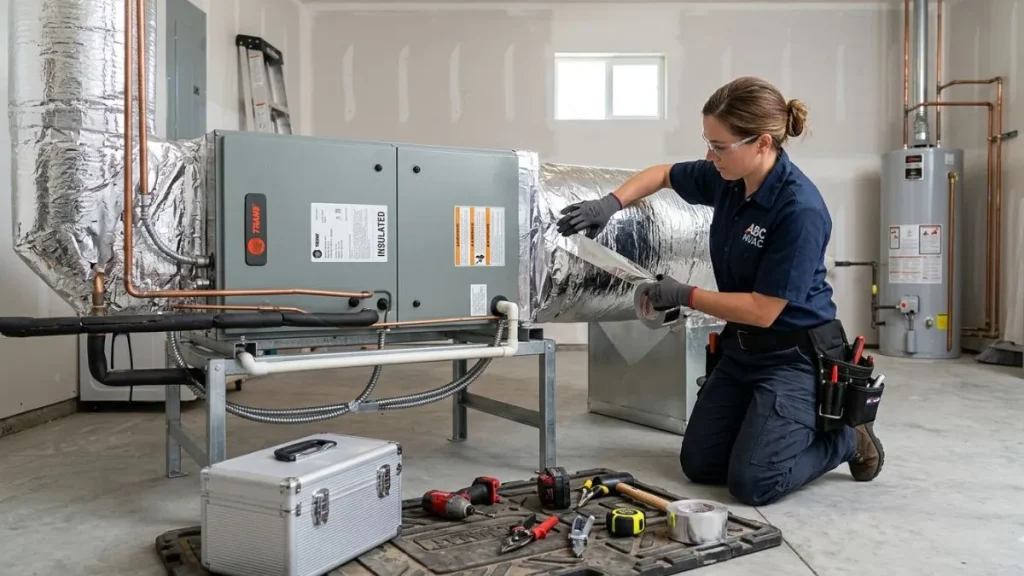
Proper installation of an insulated air handler improves energy efficiency and system performance. Following best practices during installation helps prevent common problems like air leaks and condensation. Well-installed insulation supports temperature control and reduces noise.
Sealing Techniques
Sealing the air handler and duct connections is essential for preventing air leaks. Gaps around joints reduce efficiency and increase energy costs. Use these sealing methods to create a tight and durable seal:
- Mastic Sealant: A thick, paint-like substance that dries hard. It works well on seams and joints.
- Foil Tape: Aluminum foil tape resists heat and moisture. Apply it smoothly to avoid wrinkles.
- Gasket Material: Use foam or rubber gaskets to seal flange connections. They compress to fill gaps.
- Caulking: For small cracks, high-quality caulk prevents air leaks and improves insulation.
Follow these tips to ensure proper sealing:
- Clean surfaces before applying sealant or tape.
- Overlap tape edges by at least 1 inch for better adhesion.
- Apply mastic generously and smooth it with a brush.
- Inspect seals regularly and repair damaged areas immediately.
Professional Vs DIY
Deciding between professional installation and DIY depends on skills, tools, and safety. Professionals offer experience and proper equipment. They ensure correct sealing and insulation placement.
Benefits of professional installation:
- Precise measurements and custom fitting.
- Access to quality materials and tools.
- Knowledge of building codes and safety standards.
- Warranty and post-installation support.
DIY installation saves money but carries risks. Common challenges include:
- Incorrect sealing causing leaks.
- Improper insulation type or thickness.
- Damage to air handler components.
- Missing ventilation and drainage details.
If choosing DIY, prepare by:
- Watching installation tutorials.
- Gathering all necessary materials and tools.
- Following manufacturer instructions carefully.
- Testing the system after installation.
Ultimately, professional installation reduces errors and improves system life. DIY works for simple projects but requires caution.
Recommended: Air Handler Insulation Replacement
Conclusion
Insulating your air handler helps keep energy costs down. It stops heat loss and gain during air flow. This makes your system work better and last longer. It also reduces noise from the air handler. A small step that brings big benefits.
Consider insulation to improve comfort in your home. It’s a smart choice for saving money and energy. Simple, effective, and worth the effort.