


Have you just finished refinishing your floors, only to be stuck with that strong, lingering polyurethane smell? It can be overwhelming and make your home feel uncomfortable.
You want your space to smell fresh and clean, not like a chemical factory. Luckily, there are simple and effective ways to get rid of that stubborn odor fast. Keep reading, and you’ll discover easy tricks that will help you breathe easier and enjoy your beautiful floors without the unpleasant smell.
Causes Of Polyurethane Smell
Polyurethane floors often have a strong smell after application. This smell can bother many people and last for days or weeks. The smell mainly comes from the chemicals in the product, the way it dries, and how air moves in the room. Knowing these causes is key to making your home fresh again.
Chemical Composition
The smell of polyurethane comes from its chemical ingredients. Polyurethane is made of several chemicals that release strong odors when fresh. These chemicals include:
- Volatile Organic Compounds (VOCs): These are the main source of the smell. VOCs evaporate into the air and cause the strong odor.
- Solvents: Used to keep the polyurethane liquid, solvents evaporate quickly but add to the smell.
- Isocyanates: Chemicals that help the product harden. They can also cause strong fumes during application and drying.
VOCs are the biggest reason for the smell. The more VOCs in the product, the stronger the odor. Low-VOC or water-based polyurethanes produce less smell but still have some odor.
Curing Process
The curing process is how polyurethane dries and hardens. During this time, the smell is strongest. The curing happens in two main stages:
- Evaporation: Solvents and VOCs evaporate, releasing smell into the air.
- Chemical Reaction: The chemicals react and form a hard finish. This reaction can release gases and odors.
The curing time depends on several factors:
- Type of polyurethane (oil-based cures slower than water-based)
- Room temperature and humidity (warmer and drier air speeds up curing)
- Thickness of the applied coat
Polyurethane smells fade as curing completes. The smell may last from 24 hours to several weeks. Oil-based finishes usually take longer to cure and smell stronger.
Patience is key. Avoid walking on the floor or closing the room during curing. This helps the finish harden well and reduces the smell faster.
Ventilation Impact
Ventilation plays a huge role in how long the polyurethane smell stays. Good airflow helps remove the smelly gases quickly. Poor ventilation traps the smell inside and makes it worse.
Ways ventilation affects polyurethane odor:
- Fresh air replaces polluted air: Open windows and doors to let fresh air in.
- Air circulation speeds evaporation: Fans help move air and remove VOCs faster.
- Humidity control: Dry air improves curing and reduces smell.
Without good ventilation, the smell stays stronger and longer. Always keep the room well aired during and after applying polyurethane. This simple step makes a big difference in comfort.
Immediate Steps To Reduce Odor
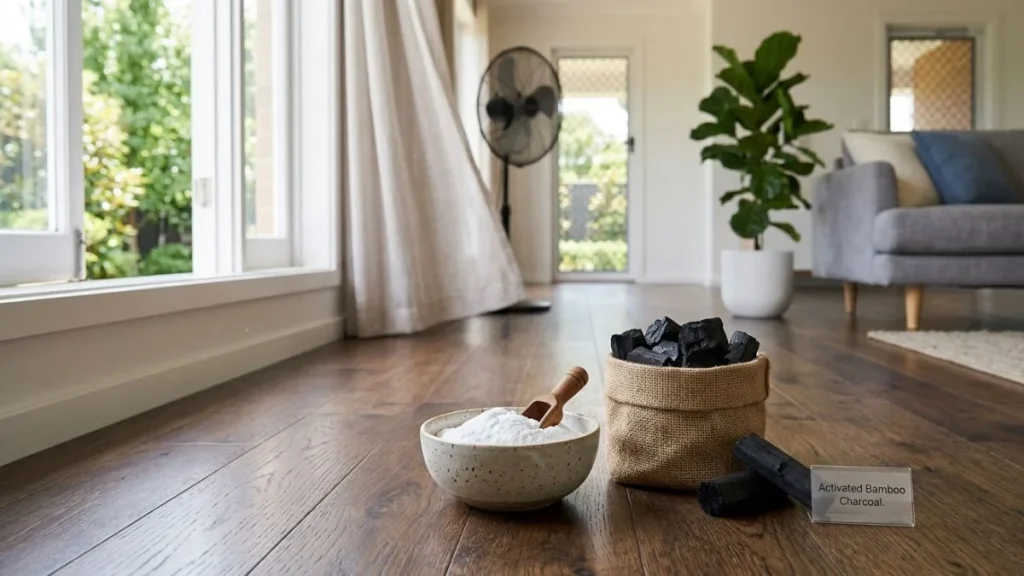
Polyurethane floors often release a strong, unpleasant smell after application. This odor comes from the chemicals used in the coating. It can last for days or even weeks if not treated properly. Immediate steps to reduce odor help make your home more comfortable quickly.
Increase Airflow
One of the best ways to reduce polyurethane odor is to improve airflow in the room. Fresh air helps carry away the fumes and bring in cleaner air. Here’s how to do it:
- Open windows and doors: Create a cross breeze by opening opposite windows or doors.
- Use fans: Place box fans near windows to push indoor air outside.
- Turn on exhaust fans: Use kitchen or bathroom fans to remove air faster.
- Keep interior doors open: Allow air to flow freely between rooms.
Try to keep airflow running for several hours each day. If possible, continue for a few days after finishing the polyurethane application. Increased airflow lowers the concentration of harmful fumes quickly.
| Method | Purpose | Tips |
| Open Windows & Doors | Bring in fresh air, push out fumes | Open windows on opposite sides |
| Use Fans | Speed up air movement | Place near windows, face outdoors |
| Exhaust Fans | Remove indoor air quickly | Turn on kitchen or bathroom fans |
| Keep Doors Open | Allow air circulation inside | Don’t close interior doors |
Use Activated Charcoal
Activated charcoal is a natural odor absorber. It traps chemical molecules from the air, making the smell less noticeable. This material is safe and easy to use around the home.
Steps to use activated charcoal for polyurethane smell:
- Buy activated charcoal bags or loose charcoal from stores.
- Place charcoal near the floors or in corners of the room.
- Use several bags for larger rooms to cover more area.
- Replace charcoal bags every few days for best results.
Activated charcoal works silently and without chemicals. It also removes other odors like smoke or pet smells. Keep charcoal in open containers or breathable bags to allow air contact. Avoid sealing it in plastic because it won’t absorb odors well then.
Apply Baking Soda
Baking soda is a simple and affordable odor neutralizer. It absorbs smells and helps freshen the air around polyurethane floors. Use it carefully to avoid damaging the floor finish.
How to apply baking soda safely:
- Sprinkle a thin layer of baking soda over the floor surface.
- Let it sit for at least 24 hours to absorb odors.
- Use a soft broom or vacuum to remove the baking soda gently.
- Repeat the process if the smell remains strong.
Do not leave baking soda on the floor too long, especially on wood floors. Always test a small hidden spot first. Baking soda is safe for most floors but avoid scrubbing hard to protect the finish. This method works best combined with airflow and charcoal use.
Long-term Odor Removal Methods
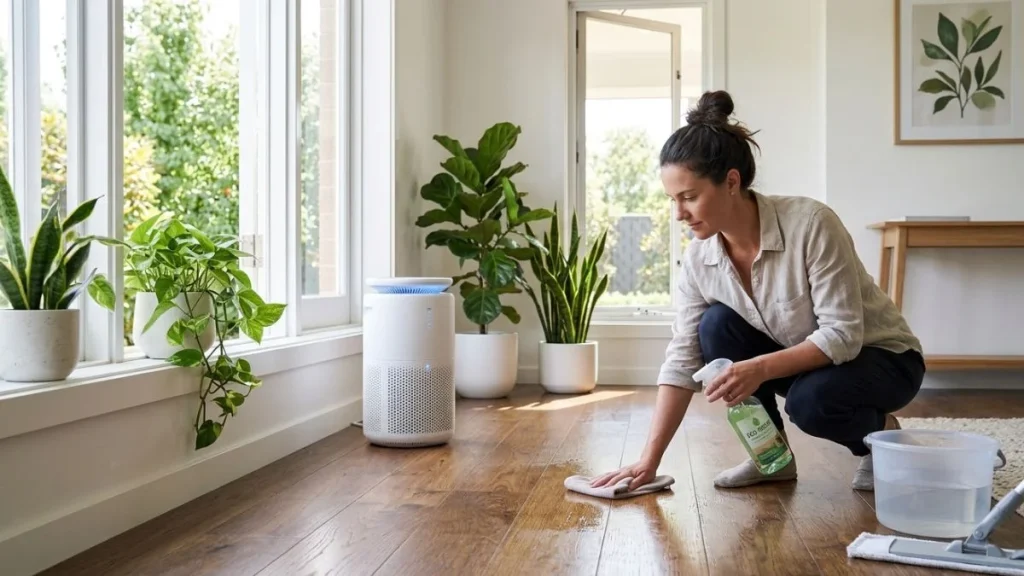
Removing the strong smell of polyurethane from floors takes time and patience. Short-term fixes like opening windows help, but long-term odor removal methods provide lasting relief. These methods focus on absorbing, neutralizing, or filtering out the chemical odors. Using the right approach can make your home smell fresh and safe again. Below are practical options to consider for long-lasting polyurethane odor removal.
Natural Absorbers
Natural odor absorbers work by trapping or neutralizing the smell molecules in the air. They are safe, easy to use, and eco-friendly. Some common natural absorbers include:
- Baking Soda: Sprinkle it on the floor or place bowls around the room to absorb odors.
- Activated Charcoal: Place charcoal bags near the floor. Charcoal traps toxins and odors effectively.
- White Vinegar: Leave bowls of vinegar in the room. Vinegar neutralizes many chemical smells.
- Coffee Grounds: Spread dry coffee grounds on trays. They can absorb and mask strong odors.
These natural options work best in well-ventilated rooms. Change them every few days for continuous effect. The table below shows the pros and cons of each natural absorber:
| Absorber | How to Use | Advantages | Drawbacks |
| Baking Soda | Sprinkle or place in bowls | Cheap, non-toxic | Needs frequent replacement |
| Activated Charcoal | Bags near floor | Highly effective, reusable | Can be messy if broken |
| White Vinegar | Bowls in room | Neutralizes odors quickly | Strong vinegar smell initially |
| Coffee Grounds | Spread on trays | Natural scent, absorbs odor | Can attract insects if wet |
Commercial Odor Neutralizers
Commercial odor neutralizers are specially designed products that break down polyurethane smells chemically. These products often use enzymes or other active ingredients to remove odors at the source. They come in sprays, gels, or powders. Benefits include:
- Fast action: They reduce odors quickly compared to natural methods.
- Long-lasting effect: Some products keep working for days after application.
- Easy to apply: Usually ready to use without extra preparation.
Choose neutralizers labeled safe for indoor use. Always follow the instructions carefully. Some popular types are:
- Enzyme-based sprays that digest odor molecules.
- Odor-absorbing gels that slowly release neutralizing agents.
- Powders for sprinkling on floors and vacuuming later.
Store these products in a cool place and keep them away from children and pets. Using commercial neutralizers along with ventilation can speed up the odor removal process.
Air Purifiers
Air purifiers clean the air by filtering out harmful particles and odors. They are effective for long-term polyurethane smell removal. Look for purifiers with activated carbon or HEPA filters. Here’s why air purifiers help:
- Remove airborne chemicals: Carbon filters trap odor molecules from the air.
- Improve air quality: HEPA filters remove dust and allergens.
- Continuous operation: Run the purifier daily for steady odor reduction.
When choosing an air purifier, check the room size it covers. Some models have additional features like ionizers or UV lights for extra purification. Place the purifier near the floor or close to the source of the smell for best results. Regularly clean or change the filters to keep the device working efficiently.
Using an air purifier in combination with natural absorbers or commercial neutralizers creates a cleaner, fresher environment. It also helps prevent the polyurethane smell from lingering for months.
Preventing Future Odors
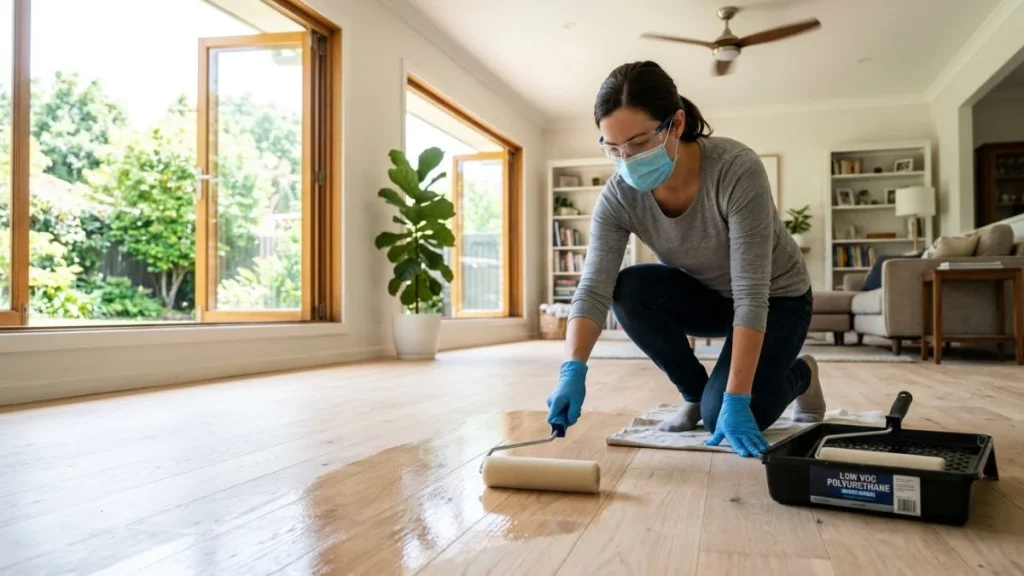
Preventing future odors from polyurethane floors is key to keeping your home fresh and safe. The strong smell often comes from chemicals called VOCs (volatile organic compounds). These chemicals evaporate after application and cause that harsh odor.
Choosing Low-voc Products
Picking a polyurethane with low VOC content reduces harmful fumes and odors. Low-VOC products release fewer chemicals into the air, making the environment healthier. These finishes still protect your floors well but cause less smell during and after application. Look for labels that say “low-VOC” or “zero-VOC.”
Benefits of low-VOC polyurethane:
- Less strong odor during and after application
- Better air quality inside the house
- Safer for children and pets
- Faster drying time in many cases
Here is a quick comparison of common polyurethane types and their VOC levels:
| Type | VOC Level | Odor Strength |
| Oil-Based Polyurethane | High (up to 550 g/L) | Strong |
| Water-Based Polyurethane | Low (less than 100 g/L) | Mild |
| Waterborne Polyurethane | Very Low (below 50 g/L) | Very Mild |
Choosing water-based or waterborne polyurethane is best for low odor and safer air.
Proper Application Techniques
Applying polyurethane carefully helps limit the smell and speeds up drying. Poor application traps solvents, increasing odor. Follow these steps for a smooth, low-odor finish:
- Clean the floor before starting. Dust and dirt can cause rough surfaces.
- Use thin coats. Thick layers take longer to dry and smell more.
- Apply in a well-ventilated area. Open windows and use fans to move air.
- Stir, don’t shake the can to avoid bubbles and uneven finish.
- Use quality brushes or rollers for smooth application without excess product.
Proper care during application keeps the smell low and the finish strong. Rushing or thick coats often cause long-lasting odors.
Ensuring Adequate Drying Time
Letting polyurethane dry fully is vital to stop odors from lingering. Chemicals continue to release gases while drying. Short drying time traps these gases, causing smells.
Follow the manufacturer’s drying times carefully. Typical drying times vary:
| Polyurethane Type | Dry to Touch | Recoat Time | Full Cure |
| Oil-Based | 6-8 hours | 24 hours | 30 days |
| Water-Based | 1-2 hours | 4-6 hours | 7 days |
Extra drying tips:
- Keep room temperature between 65-75°F (18-24°C)
- Use fans for airflow but avoid direct wind on wet surface
- Do not walk on the floor until fully dry to avoid damage
Patience is key. Allow full curing to ensure odor fades and the floor hardens well.
Conclusion
Removing the strong polyurethane smell from floors takes time and care. Ventilate the room well to let fresh air in. Use natural odor absorbers like baking soda or activated charcoal. Keep the space dry to stop odors from lasting longer.
Small steps every day make a big difference. Soon, your floors will smell fresh and clean again. Patience and simple tricks help you enjoy your space comfortably.


