

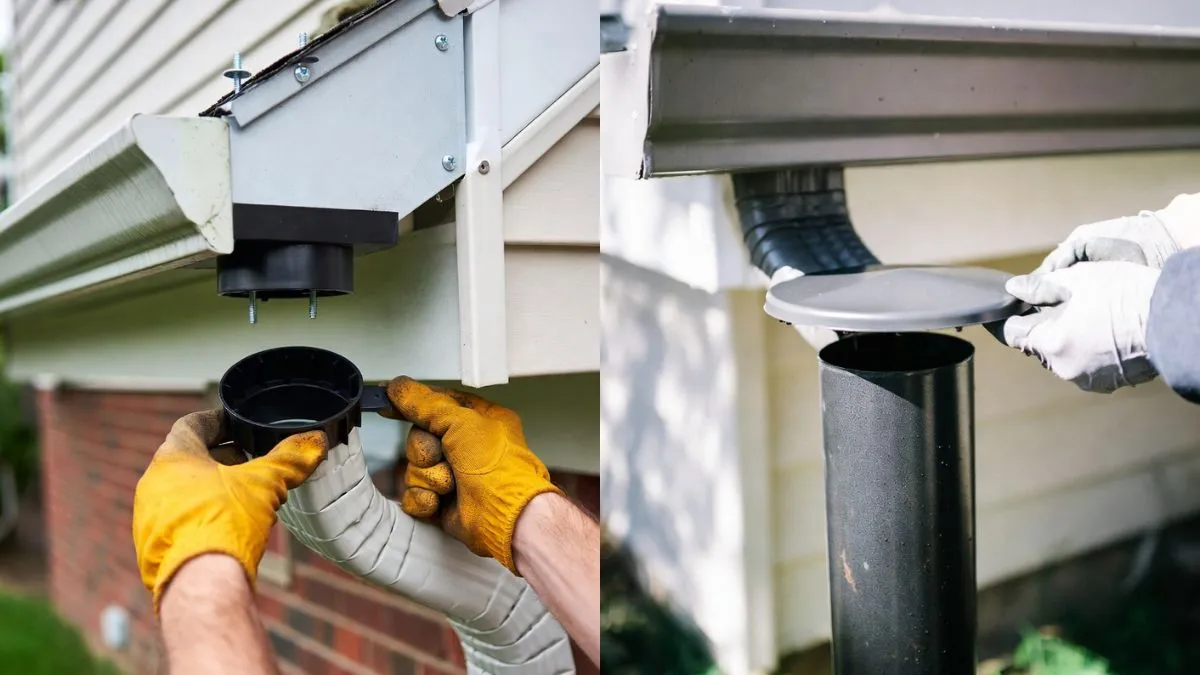
Are you dealing with a gutter downspout that’s causing water to pool where it shouldn’t? Closing off your gutter downspout can protect your home’s foundation, prevent unwanted water damage, and keep your yard dry.
But if you’re unsure how to do it right, you might end up with leaks or even bigger problems. You’ll discover simple, step-by-step instructions to close off your gutter downspout safely and effectively. By the end, you’ll have the confidence to handle this task yourself—saving money and avoiding headaches.
Reasons To Close A Gutter Downspout
Closing off a gutter downspout might seem unusual at first. Yet, many homeowners find it necessary for several important reasons. This process protects your property and can improve how water drains from your roof. Below are the main reasons to consider closing off a gutter downspout.
Preventing Water Damage
One of the top reasons to close a gutter downspout is to prevent water damage. If a downspout directs water toward areas where it can pool, this can harm your home’s foundation or basement. Water damage leads to expensive repairs and weakens building materials over time.
Common water damage issues from open downspouts include:
- Foundation cracks
- Basement flooding
- Soil erosion near the house
- Wood rot on siding or trim
- Mold growth inside walls
Closing a downspout helps stop water from spilling near your house. You can redirect it to safer drainage areas or a rainwater collection system. This simple step reduces risks and keeps your home dry. Below is a quick comparison of risks with open vs. closed downspouts:
Redirecting Water Flow
Closing a gutter downspout allows you to redirect water flow for better drainage. Not all downspouts lead water away from problem spots effectively. Some may drain too close to the house or onto walkways, causing slippery surfaces.
Redirecting water flow can:
- Protect landscaping from heavy water runoff
- Prevent damage to driveways and sidewalks
- Guide water to rain gardens or barrels
- Reduce soil erosion in specific areas
Seasonal Considerations
Seasonal changes often affect how gutters and downspouts work. Closing a gutter downspout may be necessary during certain times of the year to avoid problems like ice buildup or blockages.
In colder climates, closing a downspout can:
- Prevent ice dams that block water flow
- Reduce risk of freezing inside pipes
- Help protect gutters from heavy snow damage
During heavy rain seasons, closing or redirecting downspouts can:
- Manage excess water more efficiently
- Keep flood-prone areas safer
- Allow time to repair or upgrade gutter systems
Seasonal adjustments make gutters work better year-round. They help avoid sudden damage and keep your drainage system functioning well under different weather conditions.
Methods To Close Off The Downspout
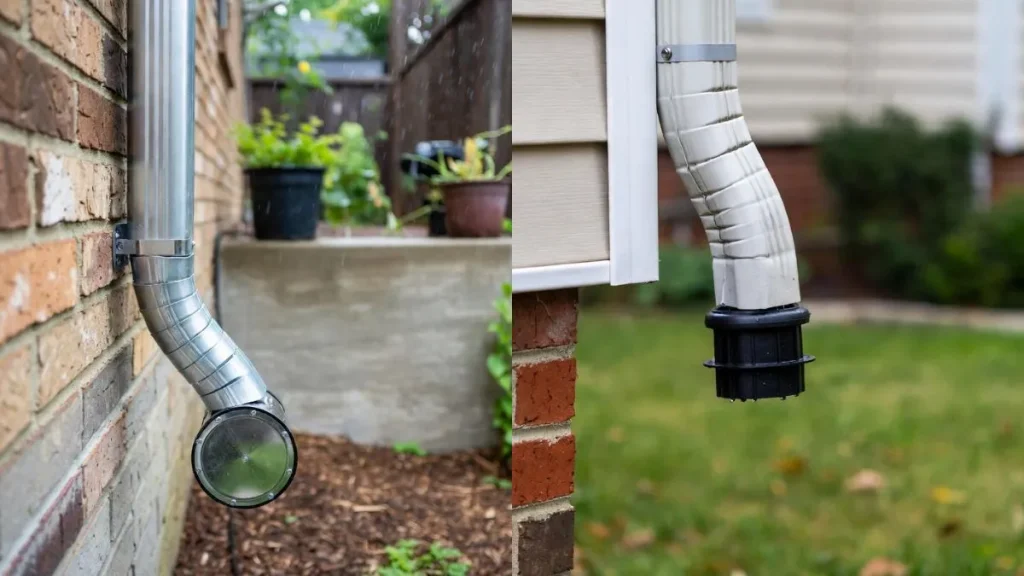
Closing off a gutter downspout is a simple task that helps control water flow and protect your home’s foundation. Different methods suit different needs, tools, and materials. Choosing the right method depends on your downspout type and the reason for closing it.
Using A Downspout Cap
A downspout cap is a common and straightforward way to close a gutter downspout. It fits over the open end of the downspout and stops water from flowing out. These caps come in various materials, such as plastic, metal, or aluminum, matching the downspout’s material for a clean look.
Benefits of using a downspout cap:
- Easy to install with no special tools needed
- Protects the downspout from debris and animals
- Durable and weather-resistant
- Can be painted to match the house exterior
Sealing With Caulk Or Sealant
Caulk or sealant is useful for closing a downspout if you want a tight, waterproof seal. This method works well for small openings or to seal gaps after placing a cap or plug. Choose a waterproof, exterior-grade sealant for best results.
Steps to seal the downspout:
- Clean the area around the downspout opening thoroughly.
- Apply a generous bead of caulk or sealant around the edges.
- Use a putty knife or finger to smooth the sealant evenly.
- Let it dry completely according to the product instructions.
Inserting A Rubber Plug
A rubber plug is a practical and reusable way to close off a gutter downspout. These plugs fit snugly inside the downspout end to block water flow. They are flexible, easy to remove, and ideal for temporary closures.
How to use a rubber plug:
- Measure the inside diameter of the downspout opening.
- Select a rubber plug that matches the size.
- Clean the inside of the downspout to remove dirt and debris.
- Push the rubber plug firmly into the opening until it fits tight.
Rubber plugs work well in situations where you may want to open the downspout later. They also help reduce water damage risks by providing a strong seal inside the pipe.
Testing The Seal
After you close off a gutter downspout, testing the seal is a crucial step. This ensures no water escapes where it shouldn’t. A proper seal prevents water damage to your walls and foundation.
Water Flow Check
Begin the water flow check by slowly pouring water into the gutter near the closed downspout. Observe how the water moves and whether it pools near the seal. This simple test shows if water is blocked or redirected correctly.
- Use a hose or bucket: Pour water steadily to mimic rain.
- Watch the seal area: Look for any water seepage or overflow.
- Time the flow: Note how long water takes to drain away.
Inspecting For Leaks
Next, inspect the seal closely for any leaks. Leaks allow water to escape and cause damage. Use a flashlight to see small cracks or gaps.
Follow these steps for a thorough leak inspection:
- Look at the seal from all angles.
- Check the edges where the seal meets the downspout.
- Use a dry cloth to wipe the area, then pour a small amount of water to spot wet spots.
- Feel for moisture on surrounding surfaces.
Small leaks may appear as damp spots or drips. Mark these areas and reseal with waterproof tape or sealant. For a better view, use a magnifying glass to spot tiny cracks. Repeat the water flow check after fixing leaks.
Recommended: How to Cap Off a Gutter Downspout
Maintaining The Closed Downspout
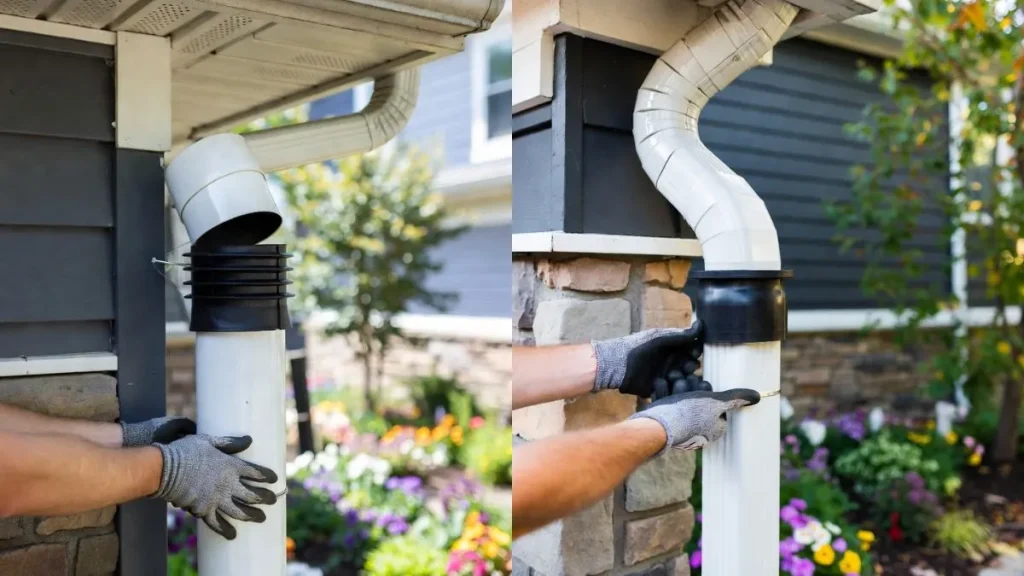
Closing off a gutter downspout helps control water flow and protect your home’s foundation. After sealing the downspout, maintaining it properly keeps your gutter system working well. Regular care prevents blockages and damage. It also stops water from pooling near your house.
Regular Inspections
Inspect the closed downspout often. Check for cracks, loose seals, or signs of wear. Early detection can prevent bigger problems. Look closely during rainy seasons when water pressure is high.
- Examine the seal to ensure it stays tight.
- Check for rust or corrosion on metal parts.
- Look for any water leaks or damp spots nearby.
- Make sure the downspout remains firmly attached to the gutter.
Cleaning And Clearing Debris
Debris buildup can block water flow even in a closed downspout. Leaves, dirt, and small twigs collect over time. This can cause water to back up and damage your gutters or siding.
Cleaning the area around the downspout is key. Use gloves and tools like a small brush or garden hose to remove debris. Clear the gutter section near the closed downspout too.
- Remove leaves and twigs from the gutter edges.
- Flush the downspout with water to clear dirt.
- Check and clean splash blocks or drainage pipes.
Conclusion
Closing off a gutter downspout is simple with the right steps. Choose the best method for your home and tools. Seal the downspout carefully to stop water flow. Check your work to avoid leaks and damage. Regular maintenance keeps gutters working well.
Take your time and follow safety tips. You can protect your home from water problems. A small fix now saves big repairs later. Try it yourself and keep your gutters strong.