

Have you ever opened your garage door only to find the bolts ripped out? It’s frustrating and can make you feel unsafe in your own home.
Your garage door bolts play a key role in keeping your garage secure and stable. When they fail or get damaged, it’s not just an inconvenience—it’s a risk you shouldn’t ignore. You’ll learn why your garage door bolts might be coming loose, how to spot the signs early, and what you can do to fix the problem before it gets worse.
Common Causes Of Bolt Failure
Garage door bolts play a crucial role in securing your garage and protecting your belongings. When these bolts get ripped out, it can leave your property vulnerable to theft and damage.
Wear And Tear Over Time
Bolt failure often starts with wear and tear. Garage doors open and close daily, causing constant movement in the bolts. Over months and years, this motion weakens the metal and the connection points.
Key signs of wear and tear include:
- Loosened bolts that no longer hold tight
- Cracks or bends in the bolt material
- Worn threads that prevent proper tightening
Regular use causes friction and stress on the bolts. This slow damage accumulates until the bolt breaks or pulls out completely.
| Wear Factor | Effect on Bolt | Recommended Action |
| Frequent Opening/Closing | Metal fatigue and loosening | Inspect bolts monthly |
| Heavy Door Weight | Increased stress on bolts | Use stronger bolts |
| Vibrations and Shocks | Wear on bolt threads | Apply thread-locking compound |
Keeping an eye on bolts and replacing them before failure helps maintain security and function.
Improper Installation
Bolt failure often occurs due to improper installation. If bolts are installed incorrectly, they cannot support the door’s weight or resist force properly.
Common installation mistakes include:
- Using bolts that are too short or thin
- Not tightening bolts to the correct torque
- Installing bolts in weak or unsuitable materials
- Misalignment causing uneven stress
Impact And Forced Entry
Physical impact and forced entry attempts are major causes of bolts ripping out. Burglars often target bolts to quickly break into garages.
Types of impact damage include:
- Hammer or crowbar strikes bending or breaking bolts
- Sudden force pulling bolts free from the frame
- Repeated kicks or blows weakening bolt mounts
Garage doors without reinforced bolts are easy targets. Burglars apply force to the weakest points, which usually are the bolts and their mounts.
Corrosion And Rust
Corrosion and rust gradually weaken bolts and cause failure. Garage doors face moisture, rain, and humidity, which corrode metal bolts over time.
Rust causes bolts to:
- Become brittle and lose strength
- Develop surface roughness, increasing wear
- Swell or seize, making adjustments hard
Corrosion can spread quickly if bolts are made from low-quality or unprotected metal. Rusted bolts may snap or pull free under stress.
Signs Of Bolt Damage
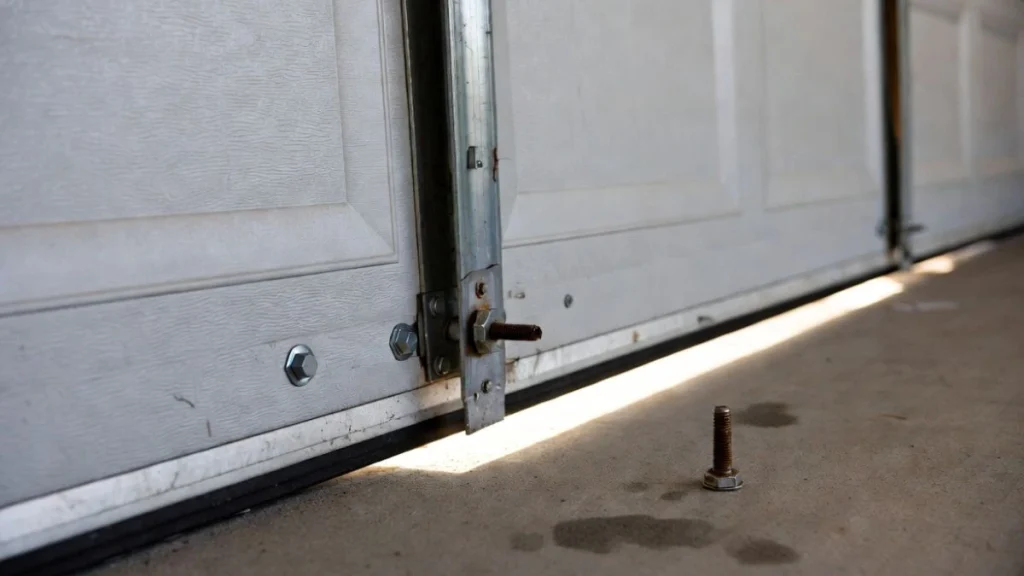
Garage door bolts are vital for keeping your garage secure and functioning well. Damage to these bolts can cause safety risks and make your door weak. Recognizing the signs of bolt damage early helps prevent bigger problems.
Visible Cracks And Bends
Cracks and bends in garage door bolts show that the metal is under stress or has been forced. These damages reduce the bolt’s strength and can cause it to break completely. Check bolts closely for:
- Small cracks running along the bolt’s surface
- Bends that make the bolt look twisted or out of shape
- Rust spots that weaken the metal further
Even tiny cracks can grow larger over time. Bends occur when the door hits something or when forced entry is attempted. Rust can hide cracks but weakens the bolt quickly.
| Type of Damage | What to Look For | Risk Level |
| Cracks | Thin lines or splits on the bolt surface | High |
| Bends | Visible warping or twisting of the bolt | High |
| Rust | Orange or brown discoloration, flaky metal | Moderate to High |
Regular checks for cracks and bends help catch damage early. Replace any bolt with visible damage to keep your door secure.
Loose Or Missing Bolts
Loose or missing bolts reduce the door’s stability and security. Bolts can loosen due to vibrations, weather changes, or wear over time. Missing bolts leave gaps and weak spots in the door’s structure.
Signs to watch for include:
- Bolts that move easily when pushed or pulled
- Empty bolt holes with no bolt inside
- Doors that feel wobbly or unstable
Loose bolts can cause the door to misalign. This misalignment leads to other parts wearing out faster. Missing bolts increase the risk of the door being forced open.
| Issue | Cause | Effect |
| Loose Bolts | Vibration, wear, poor installation | Door instability, noise, wear |
| Missing Bolts | Corrosion, theft, damage | Security risk, door misalignment |
Check bolts regularly with a wrench or by hand. Tighten any loose bolts and replace any missing ones immediately.
Difficulty Locking The Door
Problems locking the garage door often link to bolt damage. Damaged bolts may not slide or fit properly in their slots. This causes the lock to jam or fail. Signs include:
- Lock feels stuck or hard to turn
- Bolts don’t fully extend or retract
- Lock does not hold the door firmly closed
Difficulty locking can also mean bolts are bent or broken inside the mechanism. Dirt and rust buildup can add to the problem, but the root cause often involves bolt damage.
Risks Of Ignoring Bolt Damage
Garage door bolts play a crucial role in keeping the door secure and stable. When these bolts get ripped out or damaged, it poses serious risks. Ignoring this damage can lead to safety issues and costly repairs. Acting quickly protects your property and ensures the door works properly.
Compromised Security
Damaged or missing bolts weaken the garage door’s defense. This makes it easier for intruders to break in. The door may not lock tightly, leaving gaps or loose parts vulnerable to forced entry.
Key security risks include:
- Easy access for burglars through unsecured bolts
- Reduced strength against strong winds or impacts
- Increased chance of damage from attempted break-ins
Increased Repair Costs
Damaged bolts often lead to bigger garage door problems. Small issues can grow into expensive repairs if not fixed quickly. The door’s structure may weaken, causing other parts to fail.
Common costly repairs caused by ignored bolt damage:
- Replacement of door panels due to stress and damage
- Repair or replacement of the door frame
- Fixing or replacing door tracks and rollers
- Additional labor charges for complex repairs
Repair costs can rise fast. Consider this example:
| Issue | Immediate Repair Cost | Delayed Repair Cost |
| Bolt Replacement | $50 – $100 | $50 – $100 |
| Door Realignment | Not Needed | $150 – $300 |
| Panel Replacement | Not Needed | $300 – $700 |
Fixing bolt damage early saves money and prevents bigger issues. Regular checks help catch problems early.
Potential Door Misalignment
Bolt damage can cause the garage door to become misaligned. This means the door does not open or close smoothly. Misalignment puts strain on the door’s moving parts and affects its operation.
Signs of misalignment include:
- Door sticking or jamming during movement
- Uneven gaps along the door edges
- Strange noises like grinding or squeaking
- Door failing to seal properly at the bottom
Repair Options For Ripped-out Bolts
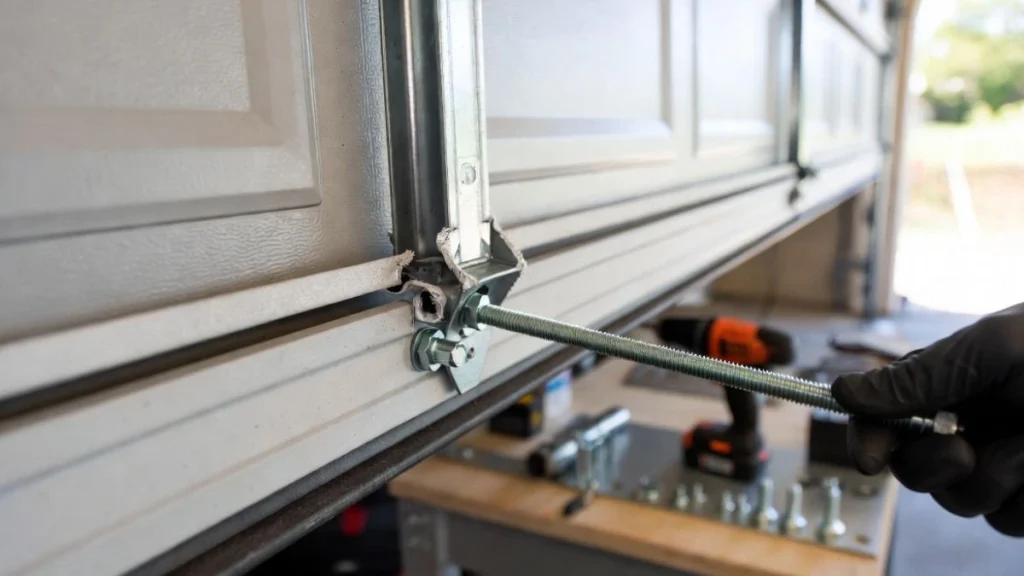
There are several repair options available, ranging from simple bolt replacement to reinforcing the door frame or calling a professional. Understanding these methods helps choose the best solution for your situation.
Replacing Bolts And Fasteners
Replacing the ripped-out bolts and fasteners is often the first repair step. This process involves removing old, damaged bolts and installing new, stronger ones. Use bolts made of durable materials such as stainless steel to resist rust and wear. Make sure to select the correct bolt size and type for your garage door model.
- Remove damaged bolts: Use a wrench or screwdriver to carefully unscrew the old bolts.
- Inspect bolt holes: Check for any cracks or damage around the holes. Repair if needed.
- Choose high-quality replacements: Opt for heavy-duty bolts with matching threads.
- Install new bolts: Tighten securely but avoid over-tightening, which can strip holes.
Reinforcing The Door Frame
Ripped-out bolts often damage the door frame. Reinforcing the frame stops future problems and improves strength. This repair adds support and distributes the door’s force better.
Common reinforcement methods include:
- Steel plates: Attach steel plates over damaged areas to strengthen the frame.
- Wooden blocks: Secure heavy wood blocks inside the frame for extra support.
- Epoxy filler: Fill cracks and holes with strong epoxy resin before adding bolts.
Hiring A Professional Technician
Some garage door bolt repairs require expert knowledge and tools. Professional technicians offer safe, reliable repair services. They can identify hidden damage and fix it properly.
Benefits of hiring a professional:
- Accurate diagnosis: Professionals find all damage, not just visible problems.
- Proper tools: Use of power tools and specialty equipment ensures strong repairs.
- Time savings: Repairs done quickly without trial and error.
- Warranty and safety: Many offer guarantees and follow safety standards.
Choosing a technician:
- Check reviews and ratings online.
- Confirm licensing and insurance.
- Request a written estimate before work.
- Ask about experience with garage door repairs.
Professional repair can extend your garage door’s life and improve security. It reduces the risk of future bolt failures and costly damage.
Read Also: Garage Door Light Flashes 5 Times
Conclusion
Garage door bolts ripped out cause serious security risks. Fixing them quickly keeps your home safe. Use strong bolts and proper tools for repairs. Check bolts often to avoid future problems. Small damage can turn into big trouble fast. Call a professional if repairs seem too hard.
Protect your garage and belongings from theft. Stay alert and maintain your door’s strength regularly. Simple care prevents costly damage later. Keep your garage door secure every day.