

Have you noticed that your pipes upstairs are frozen, but the ones downstairs feel just fine? This can be confusing and worrying.
Frozen pipes can cause serious damage if not dealt with quickly. Understanding why this happens and what you can do about it will save you from costly repairs and a cold, uncomfortable home. Keep reading to learn the simple steps you can take right now to protect your pipes and stay warm throughout the winter.
Reasons For Upstairs Pipe Freezing
Frozen pipes upstairs but not downstairs is a common problem in many homes during winter. Pipes on upper floors often freeze due to factors related to temperature, insulation, and exposure. These factors make upstairs pipes more vulnerable, even if downstairs pipes stay warm and flowing. Knowing why this happens can guide better protection strategies.
Temperature Differences Between Floors
Temperature varies between floors in a house. Upstairs rooms tend to be colder because warm air rises and escapes through the roof or windows. Meanwhile, downstairs areas stay warmer due to heat from the foundation and heating systems.
Several reasons explain these temperature differences:
- Heat rises but escapes faster upstairs: Heat loss through ceilings and roof vents cools upper floors quickly.
- Heating systems often focus on lower floors: Baseboard heaters or radiators are more common downstairs.
- Cold air drafts: Upstairs windows and vents bring in cold air, dropping room temperature.
Here is a simple comparison of typical temperatures during cold weather:
| Floor | Average Temperature (°F) |
| Upstairs | 55 – 60 |
| Downstairs | 65 – 70 |
Lower temperatures upstairs increase the chance that water inside pipes will freeze. This makes freezing pipes more common on upper floors.
Insulation Variations In Upper Levels
Insulation plays a key role in keeping pipes from freezing. The quality and amount of insulation often differ between floors.
Reasons for insulation differences upstairs include:
- Older homes: Upper floors may have thinner or missing insulation.
- Attic insulation gaps: Poor attic insulation lets cold air reach pipes near ceilings.
- Wall insulation: Exterior walls upstairs might have less insulation than downstairs.
Exposure To Exterior Walls And Windows
Pipes near exterior walls or windows freeze more often. Upper floors usually have more pipes close to outside walls and large windows.
Key points about this exposure:
- Exterior walls are colder: They lose heat faster than interior walls.
- Windows allow cold air in: Even small gaps create drafts that chill pipes.
- Less thermal mass upstairs: Upper floors have fewer heavy materials to retain heat.
Why Downstairs Pipes Stay Warm
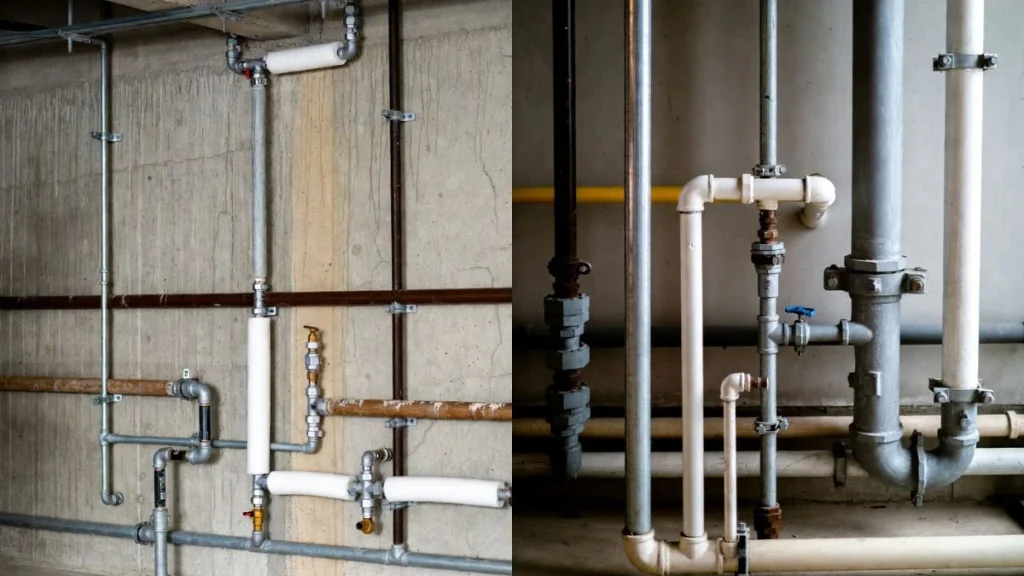
When pipes freeze upstairs but stay warm downstairs, many homeowners wonder why this happens. The main reason lies in how heat moves inside a house and how the building is built. Pipes downstairs get more warmth from different sources. This warmth stops the water inside them from freezing.
Heat Rising From Lower Floors
Heat naturally moves upward inside a house. Warm air from the lower floors rises and spreads to the rooms above. This process helps keep pipes on the ground floor warmer than those upstairs.
Here are some key points about heat rising:
- Warm air is lighter: It moves up through stairways, vents, and gaps.
- Lower floors get heat from heaters and appliances: This warms the surrounding air and pipes.
- Upstairs rooms can be colder: Warm air loses heat as it moves up, making upper floors chillier.
The heat from downstairs can keep pipes warm enough to avoid freezing, but as the air rises, its temperature drops. This makes upstairs pipes more vulnerable during cold weather.
Better Insulation And Enclosure
Downstairs pipes often have better protection from the cold. This is because many homes have thicker walls and better insulation on lower floors. These features help keep warmth close to the pipes.
Important factors of better insulation and enclosure include:
- Thicker walls and floors: Basement and ground floors usually have more solid construction.
- Insulated crawl spaces and basements: These spaces reduce cold air exposure to pipes.
- Enclosed pipe chases: Pipes downstairs may be inside walls or closets, shielding them from cold air.
Proximity To Heat Sources
Pipes downstairs are often closer to heat sources. These heat sources keep the area warmer, preventing pipes from freezing.
Common heat sources near downstairs pipes include:
- Furnaces and boilers: Usually located in basements or utility rooms.
- Water heaters: Often placed on lower floors, giving off heat.
- Heating ducts and vents: Warm air flows near pipes, raising the temperature.
- Appliances like washers and dryers: Produce heat that keeps nearby pipes warm.
Being close to these sources helps keep water flowing in pipes. This proximity also reduces the chance of freezing during cold days and nights.
Common Signs Of Frozen Pipes Upstairs
Knowing the common signs of frozen pipes upstairs helps catch the problem early. Early detection prevents pipe bursts and water damage. Watch for changes in water flow, strange sounds, and visible ice on the pipes. These clues are key to identifying frozen pipes before they cause bigger issues.
Reduced Water Flow
One clear sign of frozen pipes upstairs is reduced water flow. Water may trickle slowly or stop altogether from taps on upper floors. This happens because ice blocks the water from moving through the pipes.
Signs of reduced water flow include:
- Slow draining sinks and bathtubs
- Weak water pressure in showers
- Cold water coming out instead of warm
Compare water flow upstairs versus downstairs. If downstairs water flows fine but upstairs is weak, frozen pipes are likely. Sometimes, only one faucet is affected, usually the one farthest from the main water source.
| Area | Water Flow Status |
| Downstairs | Normal, strong flow |
| Upstairs | Slow or no flow |
Reduced flow can also cause water heaters upstairs to work harder. Watch for longer wait times for hot water. This problem needs attention fast to avoid pipe damage.
Unusual Noises In Pipes
Frozen pipes often make unusual noises. These sounds happen because water tries to move past ice blockages. Listen closely near pipes upstairs for strange noises.
Common noises include:
- Banging or knocking sounds
- Hissing or whistling
- Gurgling or bubbling
Knocking occurs when water pressure builds behind the ice. Hissing or whistling happens as water squeezes through tight spots. Gurgling means air is trapped in pipes due to blockages.
These noises often start suddenly and worsen during cold spells. They may be more noticeable when using water taps or appliances upstairs. Ignoring these sounds risks pipe bursts and leaks.
Visible Frost Or Ice On Pipes
Visible frost or ice is a strong sign of frozen pipes upstairs. Check exposed pipes in attics, crawl spaces, or near outer walls. Ice forms on the pipe surface when the temperature drops below freezing.
Look for these signs:
- White frost coating pipes
- Ice crystals or water droplets freezing on pipes
- Cold or brittle pipe surface to the touch
Frozen pipes may feel very cold or have a crackling sound when touched. Pipe insulation that is wet or damaged can cause freezing spots.
Preventing Pipe Freezes Upstairs
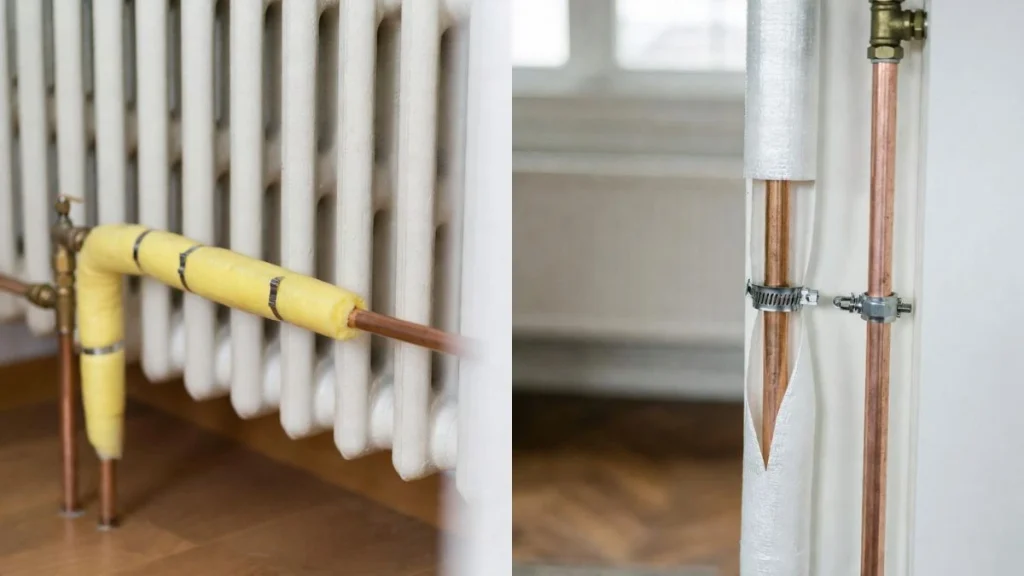
Frozen pipes upstairs but not downstairs can cause big problems. Upstairs pipes often freeze because they are closer to cold outside walls and have less heat. Preventing pipe freezes upstairs is important to avoid water damage and costly repairs. Simple steps can keep your pipes warm and safe all winter long.
Improving Pipe Insulation
Insulating pipes is a key way to stop freezing. Pipes upstairs are often in colder spaces like attics or exterior walls. Adding insulation keeps the cold air away and the heat in. Use foam pipe insulation sleeves or fiberglass wrap for best results.
- Measure pipe length: Know how much insulation you need before buying.
- Choose right insulation type: Foam sleeves are easy to install and work well for most pipes.
- Cover all exposed pipes: Don’t forget bends and joints; these areas freeze first.
- Secure insulation: Use tape or zip ties to keep it tight against pipes.
Here is a quick comparison of common pipe insulation types:
| Insulation Type | Material | Best For | Ease of Installation |
| Foam Sleeves | Polyethylene foam | Indoor pipes | Easy |
| Fiberglass Wrap | Fiberglass with vapor barrier | Hot and cold pipes | Moderate |
| Rubber Insulation | Flexible rubber | Outdoor and moist areas | Moderate |
Good insulation reduces heat loss and stops ice forming inside pipes. It also lowers energy bills by keeping heat in your home.
Sealing Drafts And Gaps
Cold air drafts make freezing more likely. Upstairs rooms often have gaps around windows, vents, and exterior walls. Sealing these stops cold air from reaching pipes. This keeps the area warmer and pipes safe.
Common places to check for drafts:
- Window frames
- Attic hatches
- Wall vents
- Baseboards near exterior walls
- Electrical outlets on outside walls
Using Heat Tape Or Heating Cables
Heat tape and heating cables provide direct warmth to pipes. They work by heating pipes to prevent ice formation. These products are good for pipes in very cold or hard-to-insulate areas.
Types of heat products:
- Self-regulating heat tape: Adjusts temperature to avoid overheating.
- Constant wattage heating cable: Provides steady heat along pipe length.
Emergency Measures For Frozen Pipes
Frozen pipes upstairs but not downstairs can cause serious problems quickly. Water pressure builds as ice blocks the pipes, which may lead to bursts and costly repairs. Acting fast with emergency measures helps protect your home and restores water flow.
Safe Thawing Techniques
Thaw frozen pipes carefully to avoid accidents or further damage. Never use an open flame or high heat source. These can cause pipes to crack or start fires. Instead, use gentle, controlled heat methods.
- Use a hairdryer: Direct warm air along the frozen pipe section. Move the dryer slowly and keep it at a safe distance.
- Apply a heating pad: Wrap it around the pipe and plug it in. This provides steady warmth to melt the ice.
- Try warm towels: Soak towels in warm water and wrap them around the pipe. Change towels as they cool down.
- Use a space heater: Place it near the frozen area, but avoid direct contact with the pipe or flammable materials.
Keep faucets open slightly during thawing. Flowing water helps melt the ice and reduces pressure. Monitor the pipe closely and stop heating once water flows freely.
Avoiding Pipe Damage
Frozen pipes are fragile. Thawing or handling them incorrectly increases the risk of cracks or bursts. Follow these tips to protect your plumbing:
- Never use sharp tools: Do not chip away ice with hammers or screwdrivers. This can damage pipes.
- Do not overheat pipes: Excessive heat can weaken pipe material, causing leaks later.
- Check pipe insulation: Add foam or wrap insulation sleeves to exposed pipes. This helps prevent freezing.
- Keep water running: A slow drip keeps water moving and lowers freezing risk.
Conclusion
Frozen pipes upstairs but not downstairs can happen due to heat differences. Cold air often affects higher pipes more. Check insulation and heating near those pipes first. Acting quickly can stop pipe bursts and water damage. Keep water flowing by opening taps slightly.
Use safe heat sources to warm frozen pipes. Regularly inspect your home before cold weather arrives. Staying prepared helps avoid costly repairs. Small steps protect your home and give peace of mind.