

Have you ever looked at your windows and wondered if you could remove those grids between the glass? Maybe you want a cleaner, more modern look or simply want to let in more light.
The good news is, you might have more control over your window’s appearance than you think. But before you grab a tool and start pulling, there are important things you should know. Keep reading to discover whether you can remove those window grids, what to expect, and how it could change your space for the better.
Your windows could look completely different—and it might be easier than you imagine.
Types Of Window Grids
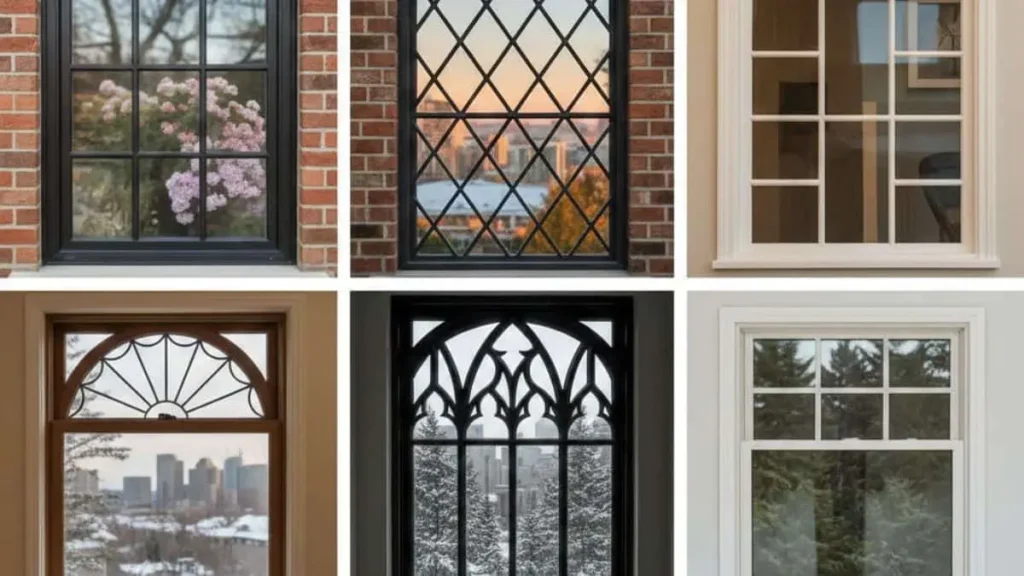
Window grids add style and character to your windows. They come in different types based on how they are installed and whether they can be removed. Some grids are fixed and cannot be taken out easily. Others are designed to be removable. Then, there are grids placed between glass panes that look clean but may or may not be removable. Let’s explore these types in detail.
Permanent Grids
Permanent grids are attached directly to the window frame or glass. They are fixed in place during manufacturing or installation and cannot be removed without damage. These grids create a classic look but limit flexibility in changing the window’s appearance later.
Key features of permanent grids:
- Usually made of wood, metal, or vinyl
- Glued, nailed, or sealed to the window frame or glass
- Durable and strong
- Require window replacement to change or remove
Removable Grids
Removable grids sit on the window’s surface and can be taken off without damage. Homeowners often choose these grids to change the window style seasonally or when renovating. These grids are lightweight and easy to install or remove.
Advantages of removable grids:
- Simple snap-in or slide-in installation
- Can be cleaned separately
- Allow changing window appearance easily
- Do not affect window insulation
Removable grids come in various materials like plastic, metal, or wood. They attach using clips, magnets, or pressure fit. This flexibility helps with home updates without full window replacement.
Between-the-glass Grids
Between-the-glass (BTG) grids are located inside double or triple-pane windows. These grids are sealed between glass layers during manufacturing. This placement offers a clean look and easy maintenance since dust does not settle on the grids.
Key points about BTG grids:
- Not removable without window replacement
- Improve window energy efficiency by sealing grids inside
- Available in various grid patterns and colors
- Provide a smooth surface for easy cleaning
Because BTG grids are part of the window unit, removing or changing them requires replacing the glass or entire window. This option suits those who want a permanent style with low upkeep.
Function Of Between-the-glass Grids
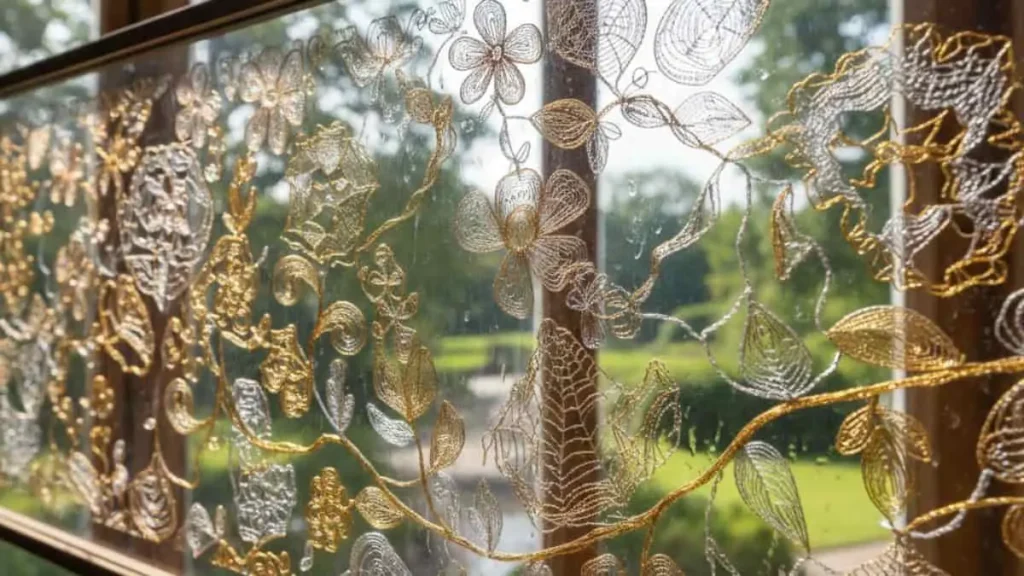
Between-the-glass grids are thin dividers placed inside double-pane windows. They create the look of multiple small windowpanes without separate glass sections. Many ask, “Can you remove window grids between glass?” They shape the window’s appearance and add structural support without extra maintenance.
Aesthetic Purposes
Between-the-glass grids improve window style by giving it a classic or modern look. They mimic traditional divided windows but keep the benefits of a single glass pane. This design helps homes keep a charming or elegant feel without complicated window cleaning.
- Visual appeal: Grids create patterns like squares, rectangles, or grids that fit different home designs.
- Customization: Homeowners can pick grid styles and colors to match exterior or interior décor.
- Light control: Grids softly break up sunlight, creating interesting light patterns inside rooms.
Structural Benefits
Between-the-glass grids also support the window’s structure. They add stability without extra weight or weakening the glass. This helps the window hold its shape over time.
- Reinforcement: Grids reduce glass flexing and pressure caused by wind or temperature changes.
- Longevity: Windows with grids stay stronger and last longer than those without.
- Energy efficiency: Grids inside the glass do not affect insulation, unlike external grids.
Consider this comparison between windows with and without between-the-glass grids:
| Feature | With Between-the-Glass Grids | Without Grids |
| Structural Support | Added stability and reduced glass movement | Less support, more glass flexing |
| Energy Efficiency | Maintains insulation and seals | Maintains insulation and seals |
| Maintenance | Easy to clean, no dirt traps | Easy to clean, no dirt traps |
Between-the-glass grids offer practical strength. They protect the glass from stress and help windows resist damage. This means windows stay functional and safe longer.
Feasibility Of Removing Grids
Removing window grids placed between glass panes is a common question among homeowners aiming to change their window’s look. These grids, also called muntins or grilles, create a divided glass appearance without actual separate panes. The feasibility of removing these grids depends on several factors tied to the window’s design and construction.
Manufacturer Design Limitations
Most window grids between glass are built into the window unit during manufacturing. These grids are usually sealed inside the double or triple-pane glass unit. This design means they cannot be removed without breaking the glass. Removing grids is not a simple process of detaching parts but involves replacing the entire glass unit.
- Grid Types: Some grids are glued or clipped inside the glass, but most are permanently sealed.
- Factory Installation: Grids are installed at the factory to ensure airtight seals and energy efficiency.
- Warranty Issues: Opening the sealed glass unit often voids manufacturer warranties.
Impact On Window Integrity
Removing grids placed between glass panes affects the window’s structure and performance. These grids are part of the sealed glass unit that keeps insulation and prevents moisture. Taking them out involves breaking the sealed unit, which causes several problems.
- Loss of Insulation: Breaking the seal destroys the insulating gas between panes.
- Risk of Leaks: Moisture and air can enter, causing fogging or condensation inside the glass.
- Structural Weakness: The glass unit’s strength may decrease after altering or replacing.
- Increased Costs: Removing grids requires full glass replacement, which is expensive.
Removal Methods And Challenges
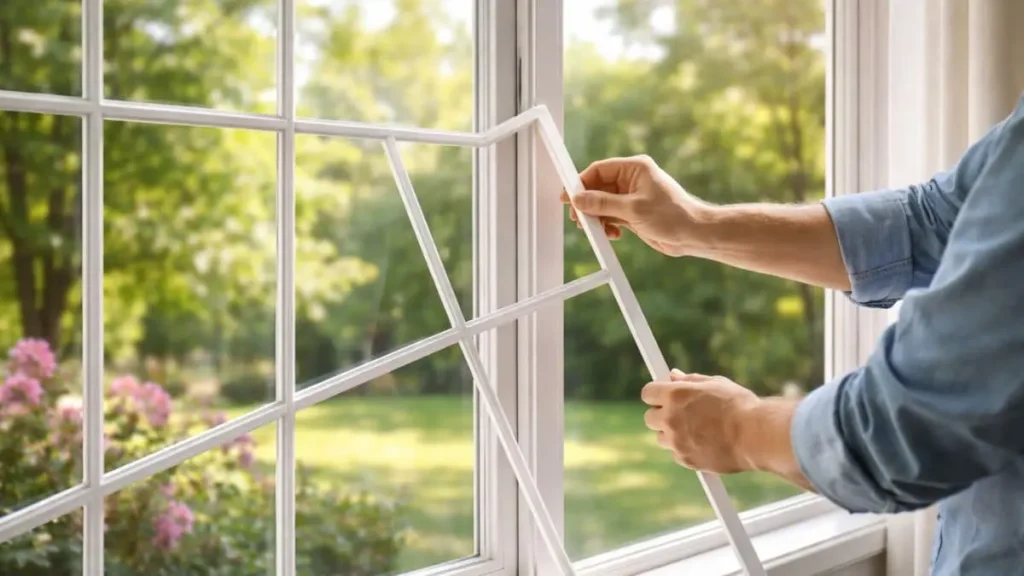
Removing window grids between glass is a task that many homeowners consider to update the look of their windows. These grids, also called muntins or grilles, are often sealed inside double-pane glass units. Removal is not simple. It involves understanding the right methods and facing certain challenges. The grids are part of the glass unit, so accessing or removing them requires care and skill.
Professional Removal Techniques
Professionals use specialized methods to remove window grids without damaging the glass. They rely on tools and experience to separate grids sealed between glass panes. Here are some common techniques used by experts:
- Glass unit replacement: The entire sealed glass unit is removed and replaced with a new one without grids.
- Glass cutting: Some pros carefully cut the glass unit to remove grids but this is risky and rare.
- Grid removal tools: Special tools are designed to detach grids without breaking the glass.
DIY Approaches
Some homeowners try to remove window grids themselves. DIY methods vary but often involve careful prying or cutting. Removing grids sealed between glass is tricky without special tools. Here are common DIY steps:
- Use a utility knife to cut around the grid sealant.
- Carefully pry the grid from the glass using a thin putty knife.
- Apply heat with a hairdryer to soften the sealant.
- Clean off leftover adhesive with rubbing alcohol.
DIY removal requires patience and steady hands. Common tools include:
- Utility knife
- Putty knife or thin scraper
- Hairdryer or heat gun (low setting)
- Cleaning cloths and rubbing alcohol
DIY removal risks breaking the glass or damaging window seals. It takes time and careful effort. Removing grids may leave residue or marks that need cleaning.
Risks And Potential Damage
Removing window grids between glass carries several risks. The grids are sealed inside double-pane units, so breaking the seal damages insulation. Common risks include:
- Glass breakage: The glass can crack or shatter during removal attempts.
- Seal failure: Breaking the seal causes fogging or moisture buildup inside panes.
- Window weakening: Grids add structural support; removing them may weaken the window.
- Aesthetic damage: Scratches, adhesive residue, or broken grid pieces can ruin the window’s look.
Read Also: How to Replace a Window Without Removing the Siding
Alternatives To Removal
Removing window grids between glass can be tricky and costly. Many homeowners want to change the look of their windows without damaging them. Instead of full removal, there are smart alternatives that offer flexibility and style. These options keep the grids but allow easy changes or updates. They save time, money, and avoid breaking the glass. Here are two popular alternatives to removal that help you refresh your window’s appearance.
Using Removable Grids
Removable grids provide a simple way to change your window’s style without permanent changes. These grids attach to the window surface and can be taken off when needed. They are popular for renters or those who want seasonal updates.
- Easy installation: Most removable grids use adhesive strips or clips.
- Variety of styles: Available in many shapes and colors to match your home.
- Damage-free: They don’t harm the glass or frames.
- Cost-effective: Cheaper than replacing or removing built-in grids.
Grid Covers And Films
Grid covers and films offer another practical alternative. They stick directly on the glass or window frame to mimic grid patterns. These options work well for a fresh look without changing the window’s structure.
Grid covers are usually made from vinyl or plastic. Films are thin sheets applied like window tint. Both come in different colors and grid styles, from classic to modern.
- Simple application: Peel and stick with no special tools.
- Customizable: Cut to size for any window shape.
- Protective layer: Some films add UV protection and reduce glare.
- Temporary or long-term: Easy to remove or replace as needed.
Cost Considerations
Removing window grids between glass involves several cost factors. These costs depend on the window type, labor, and materials. Understanding these expenses helps homeowners make smart choices. Some costs are visible upfront, while others appear later in repairs or value changes. Careful planning can save money and avoid surprises.
Repair And Replacement Expenses
Removing grids between glass is not always simple. The grids are often sealed inside the window panes. Removing them may damage the glass or seals, causing leaks or fogging. Repair costs vary widely based on damage and window type.
Key cost factors include:
- Labor costs: Skilled workers are needed to remove grids without damage.
- Glass replacement: Damaged panes require full replacement, which can be costly.
- Seal repair: Broken seals cause condensation and may need resealing.
Here is a basic cost range table for repair and replacement:
| Service | Estimated Cost |
| Grid removal labor | $50 – $150 per window |
| Glass pane replacement | $100 – $400 per pane |
| Seal repair or replacement | $75 – $200 per window |
Some homeowners try DIY removal, but it may increase damage risk. Professional service ensures safer removal but costs more. Consider the age and condition of windows before deciding. Newer windows might be harder to fix if damaged.
Value Impact On Home
Removing window grids affects home value in different ways. Grids add style and character to windows. Removing them can change the house’s appearance and curb appeal. This change might appeal to some buyers and not to others.
Factors influencing value include:
- Neighborhood style: Traditional homes often benefit from grids.
- Home design: Modern homes may look better without grids.
- Market preferences: Buyer tastes vary by region and market trends.
Maintenance After Removal
Removing window grids between glass can change the look of your windows and make cleaning easier. After removal, proper maintenance is key. It helps keep windows clear, working well, and lasting longer.
Cleaning Tips
After removing the grids, the glass surface is smooth and easier to clean. Dirt and dust can gather quickly, so regular cleaning is important. Use gentle cleaning methods to avoid scratches or damage.
- Use a soft cloth or sponge: Avoid rough materials that can scratch the glass.
- Mild cleaning solution: Mix water with a small amount of dish soap or use a window cleaner made for glass.
- Avoid abrasive cleaners: Stay away from powders or harsh chemicals that can damage the glass surface.
- Clean both sides: Dust and dirt can stick to both inside and outside surfaces.
- Dry with a microfiber cloth: This prevents streaks and keeps the glass shiny.
Ensuring Window Longevity
Keeping windows in good condition after grid removal helps protect your home and save money. Proper care prevents damage and extends window life. Pay attention to seals and frames to avoid leaks and drafts.
- Inspect seals regularly: Look for cracks or gaps where air or water can enter.
- Maintain window frames: Clean and check for rot, rust, or damage.
- Use weatherstripping: Replace worn strips to keep windows tight and energy-efficient.
- Check for condensation: Excess moisture between panes can signal seal failure.
- Address issues quickly: Fix small problems before they become costly repairs.
Conclusion
Removing window grids between glass can change your window’s look quickly. You must know the risks before starting. Some grids are fixed and cannot come out easily. Others may cause damage if removed wrong. Always check your window type first.
Use the right tools and take your time. Small cracks or dirt can hide behind grids. Clean and inspect the glass well after removal. Doing this can help your windows look clearer and brighter. Care and patience make the process safer and smoother for you.