


Choosing the right drain pipe for your gutters can make a big difference in how well your home handles rainwater. You might be wondering whether a 3 inch or 4 inch drain pipe is best for your gutters.
This decision affects everything from water flow to preventing clogs and damage around your foundation. You’ll discover the key differences between these two sizes and learn which one suits your home’s needs. Keep reading to make the smartest choice that protects your property and saves you money in the long run.
Drain Pipe Sizes
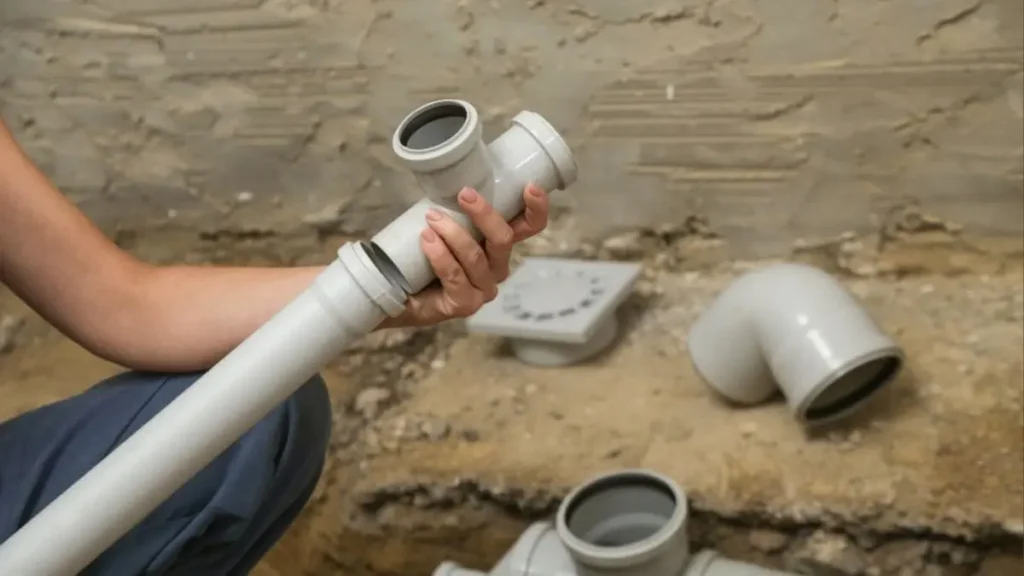
Choosing the right drain pipe size for gutters is crucial to ensure proper water flow and prevent damage. Drain pipes come in various sizes, but the 3 inch and 4 inch pipes are the most common for residential gutter systems.
Differences Between 3 Inch And 4 Inch
The main difference between 3 inch and 4 inch drain pipes is their diameter. This affects how much water each pipe can carry and how they fit with gutter systems.
- 3 Inch Pipes: Smaller diameter, suitable for lower water volumes.
- 4 Inch Pipes: Larger diameter, handles higher water flow efficiently.
Common Applications For Each Size
Each drain pipe size fits specific gutter system needs and building types. Choosing the correct size improves drainage performance and reduces maintenance.
3 Inch Pipes are often used for:
- Small homes or sheds with limited roof area
- Light rainfall regions
- Secondary drainage lines or downspout extensions
- Areas where space is limited and smaller pipes fit better
4 Inch Pipes are preferred for:
- Large residential buildings with wide roof surfaces
- Regions with heavy or frequent rain
- Main drainage lines to handle large water volumes
- Commercial buildings requiring efficient water management
Capacity And Flow Rate
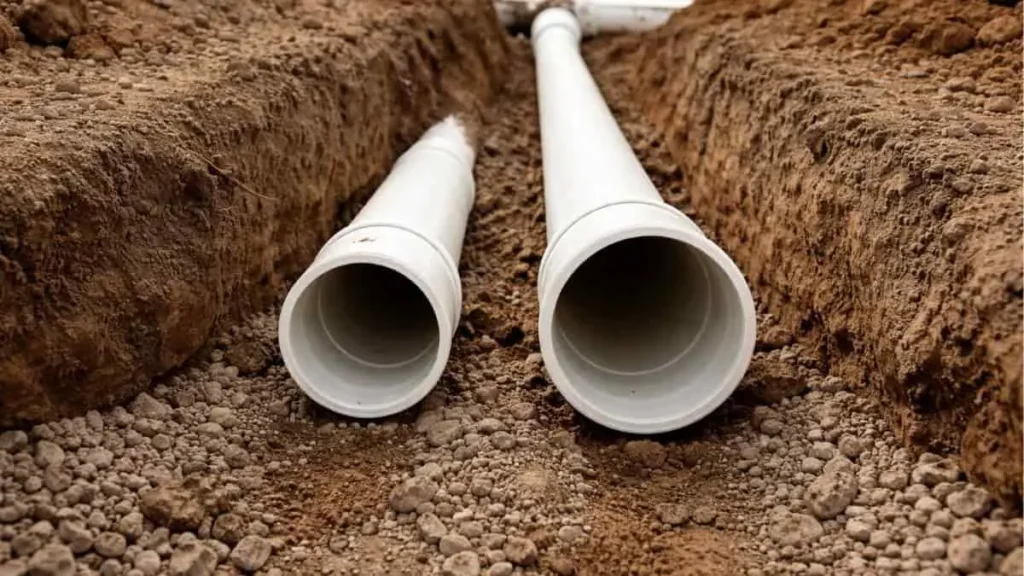
Choosing between a 3 inch and 4 inch drain pipe for gutters affects how much water flows through the system. Capacity and flow rate are key factors. These determine how well the pipe handles rainwater and prevents overflow.
Water Volume Handling
The size of the drain pipe directly impacts the volume of water it can carry. A 4 inch pipe has a larger cross-sectional area than a 3 inch pipe. This means it can hold and move more water at the same time.
Here is a simple comparison of their capacity:
| Pipe Diameter | Cross-Sectional Area (sq. inches) | Approximate Water Volume Capacity (gallons per minute) |
| 3 inch | 7.07 | 15-20 |
| 4 inch | 12.57 | 30-40 |
The 4 inch pipe carries nearly double the water volume of a 3 inch pipe. This makes it a better choice for areas with heavy rainfall or large roof surfaces.
Key points about water volume handling:
- 3 inch pipes: Best for small to medium roof areas with moderate rain.
- 4 inch pipes: Ideal for large roofs or regions with heavy rain.
- Larger pipes reduce the chance of backups and water overflow.
- Smaller pipes may clog faster due to limited space for debris flow.
Impact On Drainage Efficiency
Drainage efficiency depends on how well the pipe size matches the water flow. The 4 inch pipe allows water to move faster and more smoothly. This reduces the risk of water pooling or damage to the gutter system.
Drainage efficiency benefits of a 4 inch pipe include:
- Improved water flow speed prevents clogs.
- Less pressure buildup inside the pipe.
- Handles sudden heavy rain better without overflowing.
In contrast, 3 inch pipes may slow down water flow. This can cause backups during strong storms. The smaller pipe size creates more friction, lowering the flow rate.
The following table shows typical flow rates and efficiency factors:
| Pipe Diameter | Flow Rate (gallons/minute) | Efficiency Notes |
| 3 inch | 15-20 | Good for light to moderate rain, may clog faster |
| 4 inch | 30-40 | High efficiency, handles heavy rain, less clogging |
Choosing the right pipe size ensures gutters work efficiently. Proper flow rate reduces maintenance and protects your property from water damage.
Installation Considerations

Choosing between a 3 inch and 4 inch drain pipe for gutters requires careful thought about installation. Installation considerations affect how well the gutter system works and lasts. The size of the pipe impacts space needs, compatibility with other parts, and overall cost.
Space And Compatibility
Space is a key factor when installing gutter drain pipes. A 3 inch pipe takes less room. It fits easily in tight spaces, such as narrow walls or small eaves. This pipe suits homes with limited exterior space or where the gutters are close to walls.
The 4 inch pipe needs more room. It works best with larger gutters and in areas where water flow is heavy. This size fits well with bigger downspouts and wider gutters. It handles more water quickly, reducing overflow risks during heavy rain.
Compatibility with existing parts matters. Matching pipe size to gutters and downspouts ensures smooth water flow. Using a 3 inch pipe with large gutters may cause clogging or backups. A 4 inch pipe with small gutters can be bulky and hard to secure.
- 3 inch pipes fit smaller gutter systems well.
- 4 inch pipes suit large gutters and high water volume.
- Check the size of downspouts and gutter openings before choosing pipe size.
Cost Comparison
Cost plays a big role in pipe selection. The price difference between 3 inch and 4 inch pipes can affect the total project budget. Smaller pipes usually cost less. The material quantity is lower, making them cheaper to buy and install.
4 inch pipes cost more due to larger size and higher material use. Installation may also take longer and need stronger supports. This adds labor costs. The price difference can vary based on pipe material like PVC, metal, or others.
Consider long-term costs too. A 4 inch pipe may reduce maintenance if it handles water better. Smaller pipes might clog and need cleaning more often. This can add to future expenses.
- 3 inch pipes have lower upfront cost.
- 4 inch pipes cost more but may save on repairs.
- Labor costs rise with pipe size and complexity.
Durability And Material Choices
Choosing between a 3 inch and 4 inch drain pipe for gutters depends heavily on durability and material options. Both sizes come in various materials that affect strength, cost, and lifespan.
Material Types For Each Size
Drain pipes for gutters are usually made from several materials. Both 3 inch and 4 inch pipes share many material options, but some materials suit specific sizes better due to strength and flexibility needs.
- PVC (Polyvinyl Chloride): Lightweight, easy to cut and install. Common for both sizes. Resistant to rust and corrosion.
- Aluminum: Lightweight metal, good for gutters. Often used for 3 inch pipes but also available in 4 inch. Resists rust but can dent.
- Steel (Galvanized or Stainless): Very strong and durable. Better for 4 inch pipes where higher strength is needed. Prone to rust unless stainless steel is chosen.
- Copper: Expensive but highly durable. Used in high-end gutter systems. Suitable for both sizes.
Longevity And Maintenance
Durability depends on material and pipe size. Larger 4 inch pipes often last longer due to thicker walls or stronger materials. Maintenance frequency also varies by material type.
Longevity Factors:
- PVC pipes last 20-40 years if installed properly.
- Aluminum lasts about 20-30 years but dents reduce life.
- Galvanized steel can last 30-50 years but needs rust checks.
- Copper lasts over 50 years with minimal maintenance.
Maintenance Tips:
- Clean debris regularly to avoid clogs.
- Check for cracks or dents after storms.
- Apply rust-proof paint on steel pipes.
- Ensure pipe joints are sealed to prevent leaks.
Choosing a 4 inch pipe may reduce maintenance due to larger capacity. Smaller 3 inch pipes clog more easily and may need frequent cleaning. Material choice also guides care routines. PVC needs less upkeep, steel requires more.
Local Codes And Regulations
Choosing between a 3 inch and 4 inch drain pipe for gutters is not just about size and capacity. Local codes and regulations play a key role in deciding the right pipe. These rules ensure the drainage system works safely and protects your property.
Building Code Requirements
Building codes set clear standards for gutter drain pipes. These rules focus on pipe diameter, material, slope, and placement to manage rainwater effectively. Codes vary by location, so what works in one area might not be allowed in another.
Key points in building codes for drain pipes include:
- Minimum pipe size: Many codes require at least 3 inch pipes for residential gutters.
- Material standards: Pipes must be made from approved materials like PVC, metal, or ABS.
- Slope and flow: Proper slope ensures water flows away from the building foundation.
- Connection details: Joints and fittings must be secure and leak-free.
Permits And Inspections
Installing gutter drain pipes usually requires permits from your local building department. These permits confirm the work meets safety and code standards. Skipping permits can cause fines or force you to redo the job.
Permit process usually involves:
- Submitting a plan showing pipe size and layout.
- Review by local officials to ensure code compliance.
- Approval before starting installation.
After installation, inspections check the work quality and adherence to the permit. Inspectors look for:
- Correct pipe diameter and materials.
- Proper slope and secure connections.
- Drainage directing water away from the foundation.
Failing inspections means fixing problems before final approval. This process protects your home and neighborhood from water damage.
Choosing The Right Size
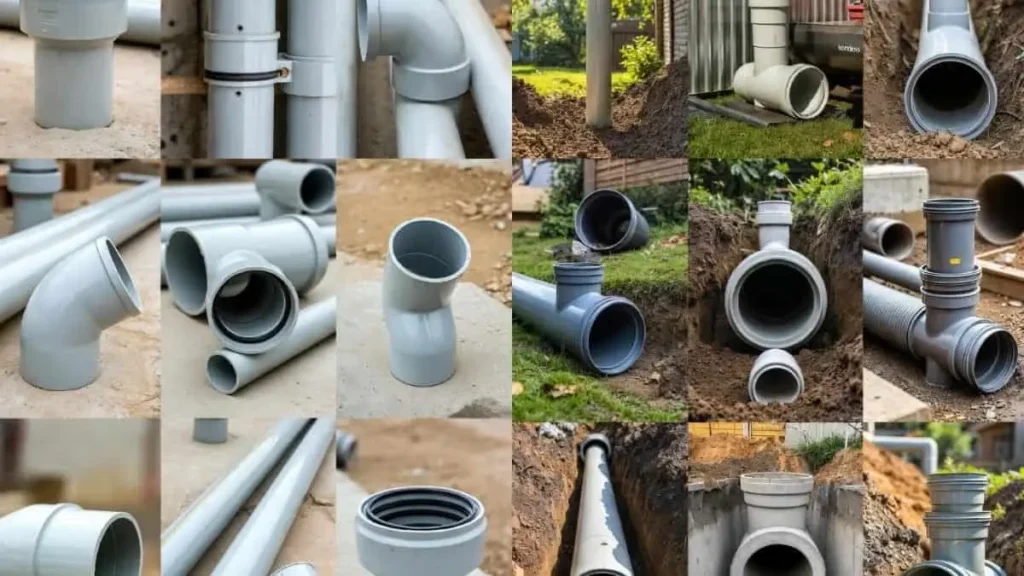
Choosing the right size for your gutter drain pipe is crucial to keep water flowing smoothly and protect your home from water damage. The choice between a 3 inch and a 4 inch drain pipe depends on several factors. Picking the correct size ensures efficient drainage and reduces the risk of clogs and overflow.
Factors To Consider
Several important factors influence the choice between a 3 inch and 4 inch drain pipe for gutters. These factors help determine which pipe can handle the water volume safely and effectively.
- Roof Size: Larger roofs collect more rainwater, needing bigger pipes.
- Rainfall Intensity: Areas with heavy rain require pipes with greater capacity.
- Number of Downspouts: More downspouts may allow smaller pipes, fewer downspouts need larger pipes.
- Pipe Length and Slope: Longer pipes or shallow slopes may need a larger diameter to prevent blockages.
- Local Building Codes: Codes may specify minimum pipe sizes for safety and efficiency.
Expert Recommendations
Professionals advise selecting drain pipe sizes based on practical experience and tested guidelines. Their advice helps homeowners choose wisely to avoid costly repairs.
Common Expert Tips:
- Use 3 inch pipes for smaller roofs under 1,000 square feet with moderate rainfall.
- Opt for 4 inch pipes on larger roofs or where heavy rain is common.
- Ensure proper slope of 1/4 inch per foot for both pipe sizes to maintain flow.
- Check local codes before installation to meet legal standards.
- Consider future roof changes or expansions when selecting pipe size.
Here is a quick guideline table based on expert advice:
| Roof Area | Rainfall Level | Recommended Pipe Size |
| Up to 1,000 sq ft | Low to Moderate | 3 Inch |
| 1,000 to 2,000 sq ft | Moderate | 3 Inch or 4 Inch (based on rainfall) |
| Above 2,000 sq ft | Moderate to Heavy | 4 Inch |
Experts highlight that a slightly larger pipe often prevents future problems. A 4 inch pipe can handle unexpected heavy rains better than a 3 inch pipe. For peace of mind, experts often lean toward the larger size unless the conditions clearly allow the smaller one.
Read Also: Gutter Drain under Concrete
Conclusion
Choosing between 3 inch and 4 inch drain pipes depends on your gutter needs. Smaller pipes fit well for light rain and small roofs. Larger pipes handle heavy rain and bigger roofs better. Think about your home size and local weather.
A right pipe helps avoid water damage and clogs. Both sizes have their uses. Pick the one that works best for your house. Simple and smart choices save time and money. You get a safer, cleaner home this way.


