
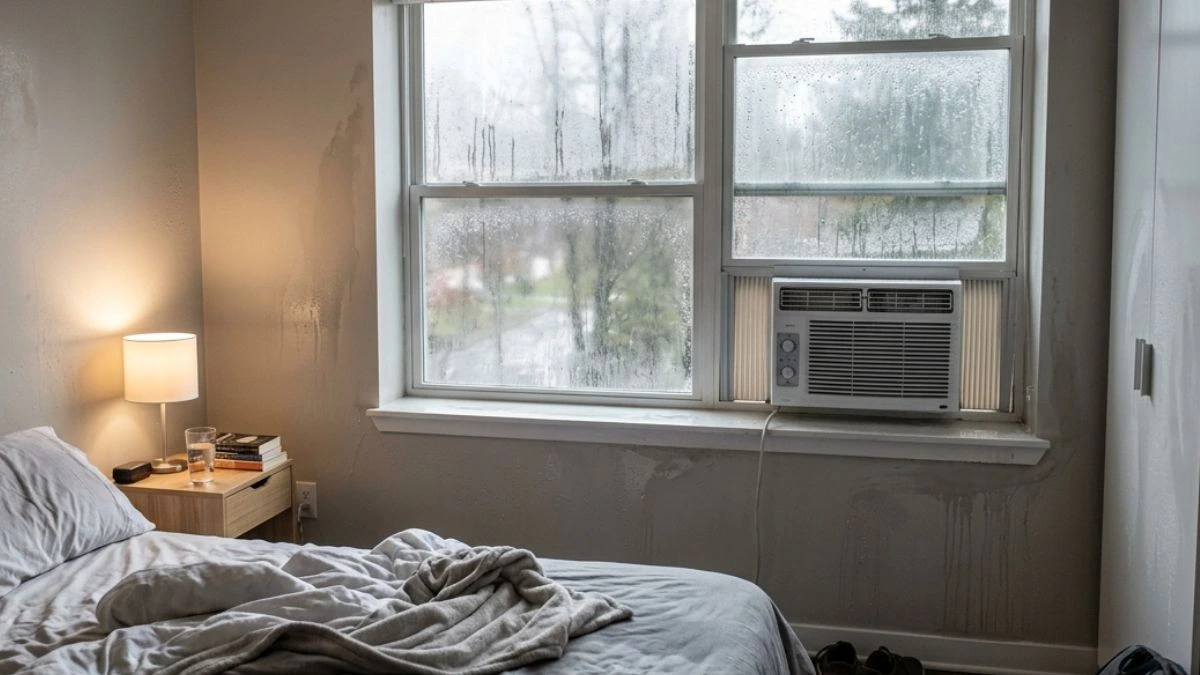
Are you noticing more moisture in your room when your window air conditioner is running? It might surprise you, but your window AC could be adding humidity instead of removing it.
This can make your space feel sticky and uncomfortable, even when the temperature drops. If you want to understand why this happens and how to fix it, keep reading. Knowing the truth about your window air conditioner can help you stay cool and comfortable all year long.
How Window Air Conditio ners Work
These units cool your room by pulling warm air inside, removing heat, and then blowing cooler air back out. This process involves more than just cooling; it also affects the moisture levels in your space. Knowing the inner workings clarifies the role window air conditioners play in managing room temperature and humidity.
Cooling Mechanism
The cooling process in a window air conditioner starts with a refrigerant, a special fluid that absorbs heat from the indoor air. Here is how it works step-by-step:
- Warm air from the room is drawn into the unit by a fan.
- The air passes over cold evaporator coils, where the refrigerant absorbs heat.
- The refrigerant changes from a liquid to a gas as it takes in the heat.
- The cooled air is blown back into the room, lowering the temperature.
- The refrigerant gas moves to the compressor outside the room, where it releases heat and turns back into a liquid.
This cycle repeats continuously to maintain a comfortable room temperature.
| Component | Function |
| Evaporator Coils | Absorb heat from indoor air |
| Compressor | Compress refrigerant and release heat outside |
| Fan | Circulate air through the unit |
Key point: The system cools air by removing heat and circulating cooled air back inside.
Moisture Removal Process
As the warm air passes over the cold evaporator coils, moisture in the air condenses. This condensation is similar to water droplets forming on a cold glass. The window air conditioner collects this moisture to lower indoor humidity. Here is what happens:
- Warm, humid air enters the unit.
- Moisture in the air turns into water on the cold coils.
- The water drips into a pan or drains outside the unit.
- The drier air is cooled and sent back into the room.
Although the unit removes some moisture, it may not reduce humidity enough in very humid climates. Sometimes, moisture from outside air leaks in through gaps around the unit. This can cause indoor humidity to rise instead of fall.
Humidity control depends on:
- Proper installation to prevent air leaks.
- Regular maintenance to keep drainage clear.
- The size and capacity of the air conditioner.
The table below shows common reasons why humidity might increase despite the moisture removal process:
| Cause | Effect on Humidity |
| Air leaks around the unit | Let moist outdoor air enter, raising humidity |
| Clogged drainage | Water builds up and evaporates back into the room |
| Undersized unit | Runs continuously but removes less moisture |
Causes Of Increased Humidity
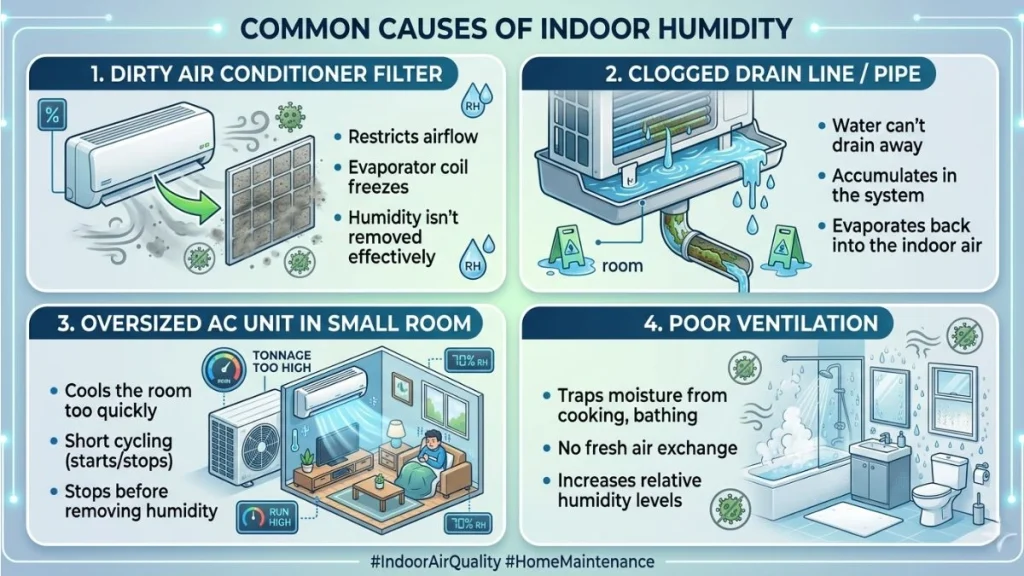
Window air conditioners are popular for cooling small spaces efficiently. Yet, they can sometimes cause a rise in indoor humidity. Several factors related to the air conditioner’s function and setup contribute to this problem.
Inadequate Drainage
One common cause of increased humidity is inadequate drainage. Window air conditioners remove moisture from the air during cooling. This moisture collects as water inside the unit. The water must drain outside properly. When drainage fails, moisture stays inside and raises indoor humidity.
Problems with drainage include:
- Blocked or clogged drain holes
- Improper slope of the unit, causing water to pool
- Dirty or damaged drainage pans
Water trapped inside the unit can evaporate back into your room. This adds moisture to the air instead of removing it. It also creates a breeding ground for mold and mildew. Clean the drain holes regularly and check the drainage pans for damage.
| Drainage Issue | Effect on Humidity | How to Fix |
| Clogged Drain Hole | Water buildup inside unit | Clear drain hole with a wire or brush |
| Poor Unit Slope | Water pools, doesn’t drain out | Reposition unit to tilt slightly outward |
| Damaged Drain Pan | Leaks or water retention | Replace or repair drain pan |
Improper Installation
Improper installation can also raise indoor humidity levels. If the air conditioner is not set up correctly, it may not cool or dehumidify effectively. Gaps or poor alignment cause outside air and moisture to enter the room.
Common installation mistakes include:
- Unit not level, affecting drainage
- Inadequate sealing around the unit
- Wrong size unit for the room
Each issue can reduce the unit’s ability to remove moisture. An unlevel unit causes water to stay inside. Gaps let humid outdoor air flow in. A unit that is too small runs continuously without removing enough moisture.
Proper installation tips:
- Ensure the unit is level or slightly tilted outward.
- Seal all gaps with weatherstripping or foam.
- Choose the right size unit based on room dimensions.
Leaky Seals And Gaps
Leaky seals and gaps around the window air conditioner are major contributors to high humidity. These openings allow warm, moist air from outside to enter the home. The air conditioner then struggles to cool and remove moisture effectively.
Signs of leaks and gaps include:
- Visible gaps between unit and window frame
- Cold drafts near the unit
- Condensation or water droplets on the inside window
Common places for leaks:
- Window frame edges
- Between the unit and window sash
- Damaged or worn weatherstripping
Sealing leaks improves efficiency and reduces humidity. Use these materials to seal gaps:
- Foam weatherstripping
- Caulk for small cracks
- Insulating panels or covers during colder months
Regularly inspect seals and replace worn materials to keep moisture out. Proper sealing maintains cooler, drier indoor air and reduces strain on the air conditioner.
Effects Of High Indoor Humidity
Window air conditioners can sometimes increase indoor humidity instead of lowering it. This rise in humidity creates a damp environment inside the home. High indoor humidity affects comfort, health, and the condition of your living space.
Mold And Mildew Growth
High indoor humidity provides the perfect conditions for mold and mildew to grow. These fungi thrive in moist, warm places, such as walls, ceilings, and carpets. Mold spores spread quickly and can cause visible black or green spots.
- Mold growth damages surfaces and can stain walls and furniture.
- It may produce a musty odor that is hard to remove.
- Continuous exposure to mold can worsen air quality.
Here is a simple table showing common areas affected by mold due to high humidity:
| Area | Why Mold Grows | Signs to Watch For |
| Bathroom | High moisture from showers and poor ventilation | Black spots on tiles, damp walls, bad smell |
| Basement | Poor air flow and ground moisture | Wet carpet, peeling paint, visible mold patches |
| Kitchen | Steam from cooking and leaks | Discolored walls, mold around windows |
Stopping mold early saves money on repairs and protects your health.
Discomfort And Health Issues
High humidity inside a home causes discomfort and several health problems. Moist air feels sticky and hot, even if the temperature is not very high. This discomfort can disturb sleep and reduce daily productivity.
- Excess moisture makes it harder for the body to cool down by sweating.
- People may feel tired, irritable, or have difficulty concentrating.
- Humidity encourages dust mites and allergens, worsening allergies and asthma.
Common health issues linked to high indoor humidity:
- Respiratory problems like coughing and wheezing
- Increased risk of infections
- Skin irritation and rashes
- Headaches and dehydration
Keeping humidity between 30% and 50% improves comfort and reduces health risks.
Damage To Home Interiors
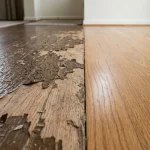
High indoor humidity can harm your home’s structure and furnishings. Moisture causes wood to swell, warp, or rot over time. Paint and wallpaper may peel or bubble due to trapped dampness.
- Metal surfaces can rust and corrode faster.
- Electronics and appliances may malfunction due to moisture exposure.
- Carpets and fabrics may develop unpleasant odors and stains.
Preventing Humidity Issues
Window air conditioners can sometimes cause humidity to rise inside a room. This happens because these units cool the air but may not remove all the moisture effectively. Preventing humidity issues is important to keep your home comfortable and avoid problems like mold and dampness. Simple steps can help control indoor moisture and improve air quality. Focus on regular maintenance, proper installation, and using dehumidifiers to reduce excess humidity.
Regular Maintenance
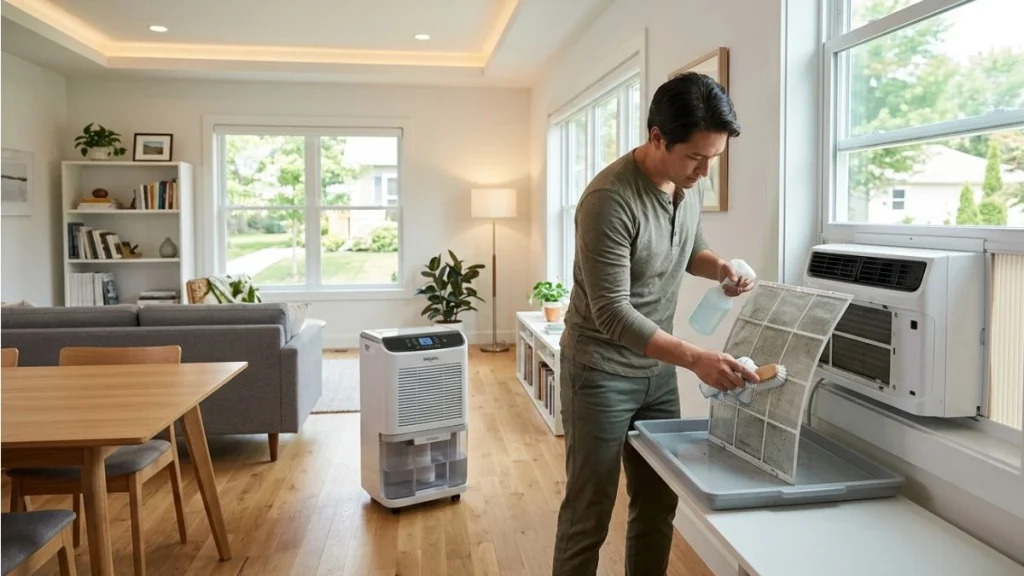
Regular maintenance keeps your window air conditioner running efficiently and controls humidity better. Dust and dirt can block the filters and coils, reducing the unit’s ability to remove moisture. Clean or replace filters every month during the cooling season. Check the evaporator and condenser coils for dirt and clean them carefully to improve airflow.
Drainage is also important. The air conditioner removes moisture and collects it in a drip pan. If the pan is clogged, water can build up and increase humidity inside. Clean the drip pan and drain lines regularly to prevent blockages.
Maintenance checklist:
- Clean or replace air filters monthly
- Inspect and clean evaporator and condenser coils
- Clear drip pans and drain lines
- Check for leaks or water buildup
- Ensure the unit is draining water outside properly
Regular upkeep reduces moisture buildup and improves cooling efficiency. It also extends the life of the air conditioner and lowers energy costs. Set reminders for maintenance tasks to keep your unit in top shape.
Proper Installation Tips
Correct installation helps your window air conditioner remove humidity effectively. Poor installation can cause warm, moist air to leak inside, raising humidity levels. Ensure the unit fits tightly in the window frame to avoid gaps where outside air can enter.
Keep the unit slightly tilted outward so water drains outside. This tilt prevents water from pooling inside the house. Use weather stripping or foam sealant around the edges to block air leaks. Secure the unit firmly to avoid vibrations and noise.
Installation tips table:
| Step | Purpose | How to Do It |
| Fit Unit Securely | Prevent air leaks | Use brackets and screws to secure the AC |
| Tilt Outward | Allow water drainage | Adjust the unit to slope slightly outside |
| Seal Gaps | Stop humid air entry | Apply weather stripping around the frame |
| Check Support | Prevent vibrations | Use support brackets under the unit |
Proper installation ensures your air conditioner cools and dehumidifies the room well. Inspect the unit after installation to fix any gaps or issues.
Using Dehumidifiers
Dehumidifiers help reduce indoor moisture levels, working well alongside window air conditioners. They pull excess water from the air, making the room feel cooler and more comfortable. Use a dehumidifier in rooms prone to dampness or poor ventilation.
Choose the right size dehumidifier based on the room’s square footage. Smaller units work for bedrooms or offices, while larger ones suit basements or living rooms.
Benefits of using a dehumidifier:
- Reduces mold and mildew growth
- Improves air quality
- Protects furniture and walls from moisture damage
- Works silently and efficiently
Place the dehumidifier away from walls and furniture for better air circulation. Empty the water tank regularly or connect it to a drain for continuous operation. Combine dehumidifier use with good ventilation to keep humidity levels low year-round.
Alternative Cooling Options
Window air conditioners often increase indoor humidity because they cool air by removing heat but may not effectively remove moisture. This added moisture can make rooms feel sticky and uncomfortable. Exploring alternative cooling options can help reduce humidity while keeping your space cool and pleasant. These options vary in style, installation, and efficiency, offering choices that suit different homes and needs.
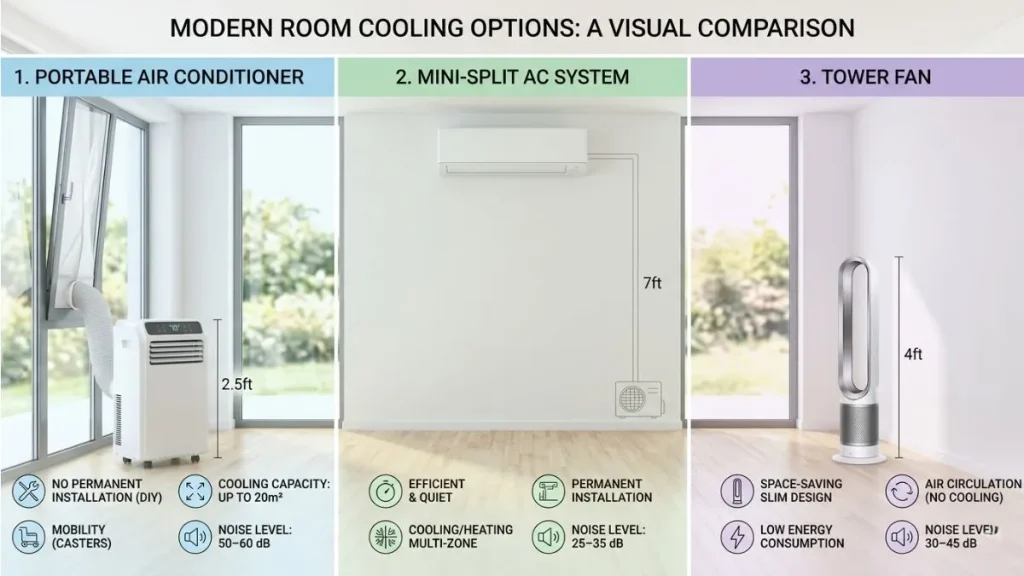
Portable Air Conditioners
Portable air conditioners offer a flexible cooling solution without permanent installation. They work by drawing warm air from the room, cooling it, and venting hot air outside through a hose. Unlike window units, portable ACs often include features that help control humidity better.
- Easy to move: Can be placed in different rooms as needed.
- No window installation: Useful for rooms where window units don’t fit.
- Dehumidifying function: Many models remove moisture while cooling.
Portable units also come with different cooling capacities. Choosing the right size is important for good performance and humidity control. Below is a simple guide:
| Room Size (sq. ft.) | Recommended BTU |
| Up to 300 | 8,000 |
| 300 – 500 | 10,000 |
| 500 – 700 | 12,000 |
Note: Portable ACs often require venting through a window or wall. Proper installation helps reduce humidity buildup.
Central Air Systems
Central air systems cool entire homes by circulating cooled air through ducts. They are highly effective at controlling temperature and humidity because they include built-in dehumidifiers.
This system moves air through filters and coils that remove both heat and moisture. This leads to better air quality and a more comfortable environment.
- Whole-house cooling: Maintains consistent temperature everywhere.
- Humidity control: Removes excess moisture effectively.
- Energy efficiency: Modern systems use less power for better cooling.
Central air systems require professional installation and ductwork. The upfront cost is higher, but long-term benefits include lower humidity and energy savings. Here is a quick comparison of features:
| Feature | Central Air System | Window AC |
| Humidity Control | High | Low |
| Coverage Area | Whole house | Single room |
| Installation | Professional | DIY |
Evaporative Coolers
Evaporative coolers, also called swamp coolers, cool air by adding moisture through water evaporation. This method works best in dry climates. It can lower air temperature while increasing humidity.
They use a fan to pull air through wet pads. The air loses heat as water evaporates, creating a cool breeze. This method is energy efficient and eco-friendly.
- Best for dry areas: Improves comfort without heavy energy use.
- Increases humidity: Helps in very dry indoor environments.
- Low cost: Cheaper to buy and operate than many ACs.
Evaporative coolers are not ideal for humid regions. They can make the air feel more uncomfortable if humidity is already high. Here is a quick overview:
| Climate Type | Suitability | Energy Use |
| Dry | Excellent | Low |
| Humid | Poor | Low |
Tip: Use evaporative coolers with good ventilation to avoid excessive moisture indoors.
Read Also: Installing Window Air Conditioner in Aluminum Window Frame
Conclusion
Window air conditioners can raise indoor humidity levels. This happens because they cool air by removing heat but may leave moisture inside. Higher humidity can cause discomfort and promote mold growth. To keep your home fresh, use a dehumidifier or improve ventilation.
Regular maintenance helps your unit work better. Small steps make a big difference in your indoor air quality. Stay aware and enjoy a cooler, healthier home.