
Are you thinking about using Kilz for your flooring project? Before you grab that can, it’s important to know why Kilz might not be the best choice for your floors.
While Kilz is great for walls and ceilings, your floors face different challenges that need special care. If you want your floors to last longer and look their best, keep reading. This article will explain why Kilz could cause more harm than good and what you should use instead to protect your investment.
Kilz And Flooring Basics
Kilz and Flooring Basics help us understand why Kilz is not the best choice for flooring projects. Kilz is a popular primer, but flooring needs special care. Floors face constant wear, moisture, and pressure. Not every primer fits these needs. Knowing what Kilz is and its common uses clarifies why it’s not recommended for floors.
What Is Kilz?
Kilz is a brand of primers and sealers widely used in painting and renovation projects. It creates a smooth base on surfaces before painting. Kilz blocks stains, covers odors, and seals porous materials. It helps paint stick better and last longer.
Kilz products come in different types:
- Oil-based Kilz: Strong stain blocker, good for tough stains like smoke or water damage.
- Water-based Kilz: Low odor, quick drying, easy to clean.
- Kilz Original: Thick and durable, great for heavy stains.
Kilz is designed mainly for walls, ceilings, and woodwork. Its formulas focus on sealing and covering, not on withstanding heavy foot traffic or moisture on floors.
Common Uses Of Kilz
Kilz serves many purposes in home improvement. It prepares surfaces for painting by:
- Blocking stains from water, smoke, or pets.
- Sealing porous surfaces like drywall or wood.
- Hiding old paint colors.
- Reducing odors from smoke or pets.
These uses work well on vertical surfaces like walls and ceilings. Kilz creates a strong base for paint to stick and look smooth.
Kilz is not made for floors because:
- It does not handle heavy foot traffic.
- It can wear off or peel under constant pressure.
- Floors need primers that resist moisture and abrasion.
- Kilz lacks flexibility needed for floor expansion and movement.
For flooring, special primers or sealers are recommended. These products are built to protect floors from damage and last longer under tough conditions.
Kilz Properties Affecting Floors
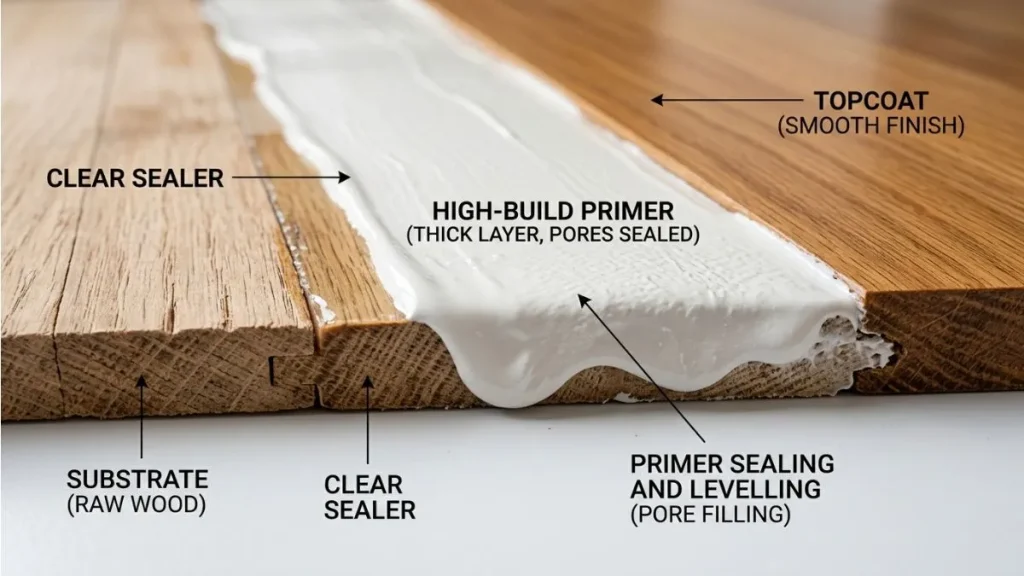
Kilz is a popular primer and stain blocker used on walls and ceilings. Despite its effectiveness on vertical surfaces, Kilz is not recommended for flooring. Floors face more wear, pressure, and moisture, demanding special products. Kilz properties affect floors in ways that reduce its performance and lifespan.
Adhesion Challenges
Kilz is designed to stick well to porous surfaces like drywall and wood. Floors, especially those with smooth finishes like tiles or sealed wood, create adhesion problems for Kilz. The primer may not bond firmly, causing peeling or flaking after foot traffic. Kilz’s adhesion can fail due to:
- Surface texture: Smooth floors lack the roughness needed for strong grip.
- Movement: Floors expand and contract with temperature and weight, stressing Kilz’s bond.
- Contaminants: Dirt, oils, or residues on floors block Kilz from attaching properly.
Below is a comparison of Kilz adhesion on different surfaces:
| Surface Type | Adhesion Quality | Risk of Peeling |
| Drywall | Strong | Low |
| Unsealed Wood Floor | Moderate | Medium |
| Sealed Wood or Tile Floor | Poor | High |
Improper adhesion leads to uneven finishes and increased maintenance. Kilz is not engineered to handle heavy floor use or surface changes.
Durability Concerns
Floors endure constant wear from walking, furniture, and cleaning. Kilz lacks the durability needed for floor coatings. Its formula resists stains and odors but does not withstand abrasion or impact well. Key durability issues include:
- Wear resistance: Kilz can wear off quickly under foot traffic.
- Scratch susceptibility: Floors get scratched easily; Kilz does not protect against it.
- Moisture exposure: Floors often face spills or humidity; Kilz is not fully waterproof.
Durability comparison of Kilz versus floor-specific primers:
| Feature | Kilz | Floor Primer |
| Wear Resistance | Low | High |
| Scratch Resistance | Poor | Good |
| Water Resistance | Limited | Strong |
Using Kilz on floors often leads to peeling, chipping, and frequent repairs. Durable primers or floor paints are better options.
Drying Time Issues
Kilz drying times vary by type and environment. Floors require quick drying to avoid project delays and surface damage. Kilz’s drying time creates problems such as:
- Long cure periods: Kilz can take several hours or more to fully dry.
- Footprint risks: Walking on partially dry primer causes smudges and uneven layers.
- Moisture sensitivity: Slow drying means moisture can interfere, affecting adhesion.
Typical Kilz drying time compared to floor primer drying time:
| Primer Type | Dry to Touch | Ready for Topcoat |
| Kilz (Oil-Based) | 30-60 minutes | 6-8 hours |
| Kilz (Water-Based) | 30 minutes | 1-2 hours |
| Floor Primer | 15-30 minutes | 1 hour |
Slow drying can disrupt the flooring process and increase dirt accumulation. Fast-drying primers suit floors better.
Potential Problems When Used On Floors
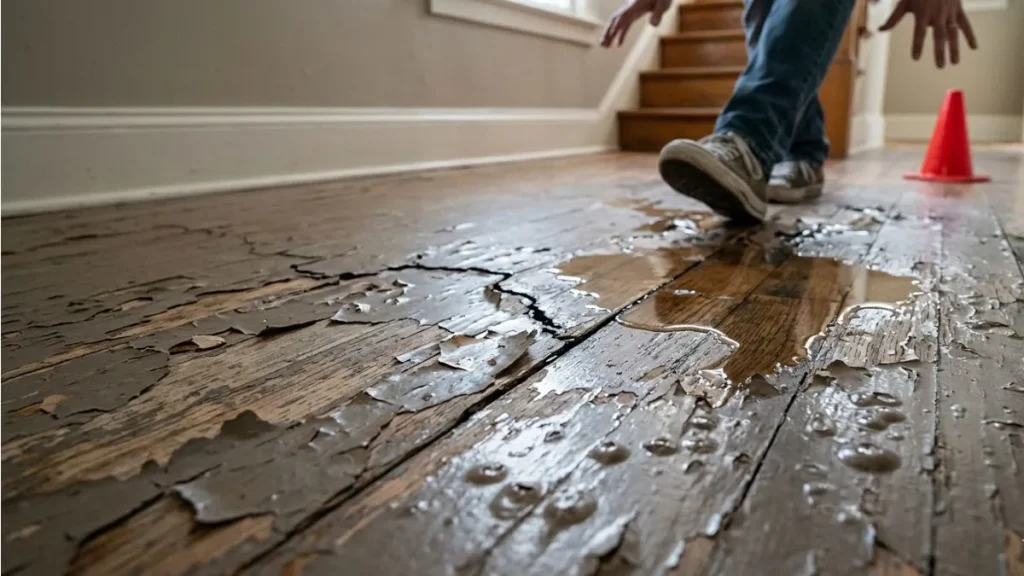
Kilz is a popular primer but not ideal for flooring. It is designed mainly for walls and ceilings, where wear and tear are low. Floors face constant foot traffic, friction, and cleaning. These factors cause problems if Kilz is used on floors. Potential problems when used on floors include peeling, texture issues, and damage to floor finishes.
Peeling And Chipping Risks
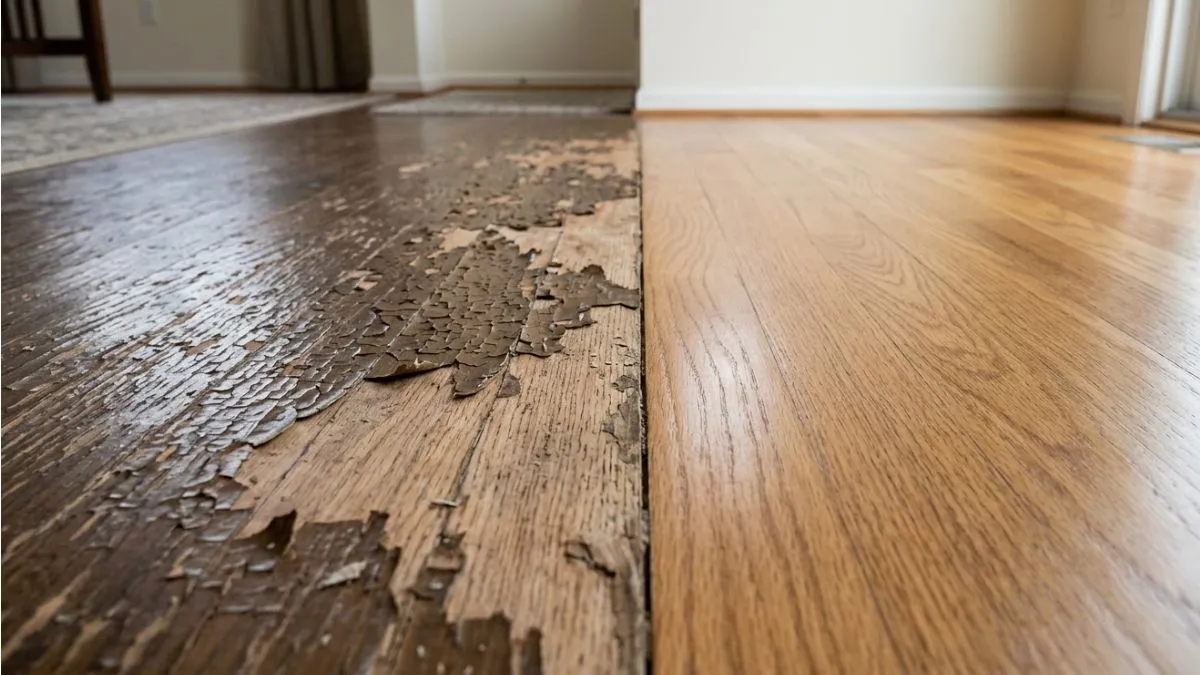
Kilz is not made to withstand the heavy use floors get daily. The constant pressure and movement can cause the primer to peel and chip easily. This happens because Kilz lacks the flexibility and durability needed for floor surfaces.
- Foot traffic puts stress on the primer layer.
- Furniture movement scrapes and chips the primer.
- Cleaning with harsh chemicals can break down the primer.
Peeling and chipping not only look bad but also expose the floor to damage. Once the primer peels, dirt and moisture can get in and cause problems like stains or mold.
| Cause | Effect on Kilz Primer |
| Heavy foot traffic | Peeling and wearing off quickly |
| Moving furniture | Scratches and chips |
| Frequent cleaning | Primer breakdown and flaking |
Surface Texture Problems
Kilz primer can create a rough or uneven texture on floors. Floors need a smooth surface for finishes to adhere well and look good. Kilz is thicker and designed for porous walls, which means it may dry unevenly on floors.
This uneven texture causes:
- Visible bumps and rough patches.
- Difficulty in applying paint or sealants evenly.
- Increased dirt and dust collection in uneven areas.
Such texture problems make floors uncomfortable and less durable. They can also cause finishes to fail sooner, leading to more repairs.
Impact On Floor Finishes
Kilz may react poorly with common floor finishes like polyurethane or epoxy. These finishes require a primer that bonds tightly and remains flexible. Kilz can cause finishes to peel or blister because it is not meant for floors.
Here are ways Kilz affects floor finishes:
- Weak adhesion: Finishes may not stick properly.
- Blistering: Air bubbles form under the finish.
- Uneven color: Finishes look blotchy or patchy.
- Shorter lifespan: Finishes wear out faster.
Using a primer designed for floors ensures better results. Kilz’s poor compatibility with floor finishes leads to extra work and cost.
Safer Alternatives For Flooring
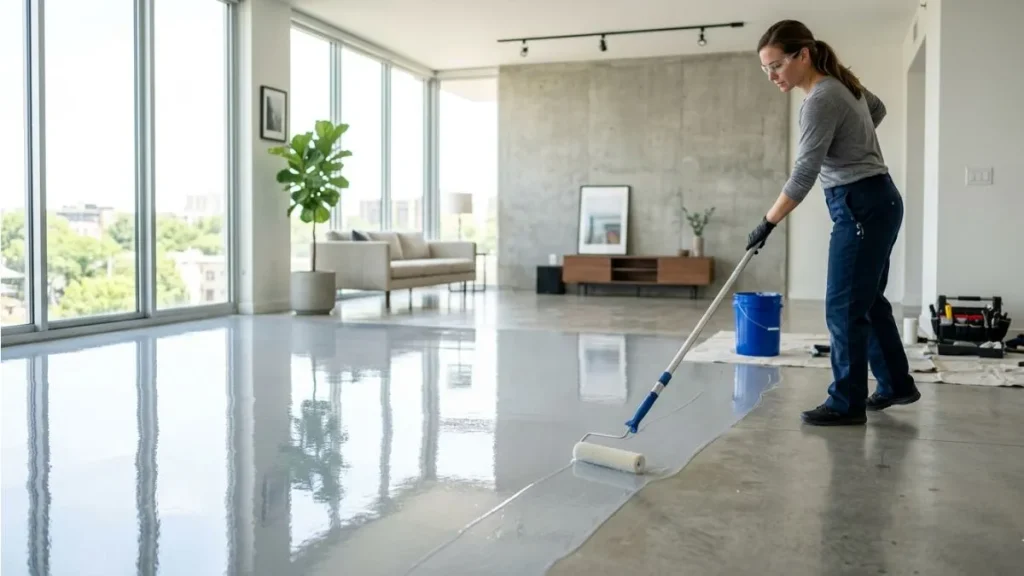
Kilz is popular for sealing walls and ceilings, but it is not ideal for floors. Floors face heavy foot traffic, moisture, and wear that Kilz cannot handle well. Using Kilz on floors may cause peeling, cracking, and poor adhesion. Choosing safer alternatives designed for flooring protects your investment and ensures long-lasting results.
Safer alternatives offer better durability, moisture resistance, and bonding strength. These products fit specific flooring needs and provide a smooth, reliable surface for paint or finish. Proper preparation also plays a key role in floor performance. Below are some trusted options and tips for floor projects.
Floor-specific Primers
Floor-specific primers are made to bond tightly with concrete, wood, or other floor materials. They help paint or topcoats stick better and last longer under heavy use. These primers resist moisture and prevent stains or odors from coming through.
Benefits of using floor-specific primers:
- Strong adhesion to tough surfaces
- Resistance to moisture and stains
- Improved durability of finish coats
- Prevention of peeling and flaking
Epoxy And Sealants
Epoxy coatings and sealants form a tough, protective layer on floors. They resist wear, chemicals, and moisture much better than Kilz or regular primers. Epoxy is ideal for garages, basements, and industrial floors.
Advantages of epoxy and sealants:
- Hard, durable surface
- Waterproof and chemical resistant
- Easy to clean
- Enhances floor appearance with gloss or matte finishes
Common types of floor sealants include:
- Epoxy Coatings: Two-part systems that mix resin and hardener. They cure to a very hard surface.
- Polyurethane Sealants: Flexible and UV resistant, good for wood floors.
- Acrylic Sealants: Quick drying and easy to apply, but less durable.
For best results, clean and prep floors well before applying epoxy or sealants. Follow product instructions for mixing and curing times. Proper application prevents bubbling and peeling.
Proper Preparation Techniques
Preparation is key to floor coating success. Clean, smooth, and dry surfaces help primers and sealants adhere better and last longer. Skipping prep causes bubbles, cracks, and peeling.
Steps for proper floor preparation:
- Clean thoroughly: Remove dirt, grease, oil, and old coatings using appropriate cleaners.
- Repair damage: Fill cracks, holes, and uneven spots with patching compound.
- Sand or etch: Roughen smooth floors using sanding or acid etching. This improves bonding.
- Dry completely: Moisture in floors weakens adhesion and causes failures.
Use a moisture meter to check dryness, especially on concrete floors. Follow recommended drying times after cleaning and repairs.
Tools and materials for preparation include:
- Broom, vacuum, mop
- Degreaser or floor cleaner
- Patch filler or concrete repair mix
- Sander or wire brush
- Moisture meter
Proper preparation extends the life of any floor coating and improves the final look.
Expert Tips For Floor Coating
Why is Kilz Not Recommended for Flooring? Kilz is a popular primer known for sealing stains and preparing walls for paint. Yet, it is not the best choice for floors. Kilz lacks the durability and wear resistance floors need. Floors face heavy foot traffic, furniture movement, and spills. Kilz primers are not designed to handle such stress. Using Kilz on floors can lead to peeling, chipping, and uneven surfaces. Choosing the right floor coating is crucial for safety and lasting beauty.
Choosing The Right Product
Selecting a floor coating means considering the floor type and usage. Different floors need different products. Concrete, wood, and tile each have unique needs. Look for coatings made specifically for floors, not walls or ceilings.
- Durability: Choose coatings with high wear resistance for heavy traffic areas.
- Slip Resistance: Floor coatings should reduce slipping risks, especially in wet areas.
- Moisture Resistance: Floors exposed to water need coatings that prevent damage.
- Finish: Matte, satin, or glossy finishes affect appearance and cleaning ease.
Application Best Practices
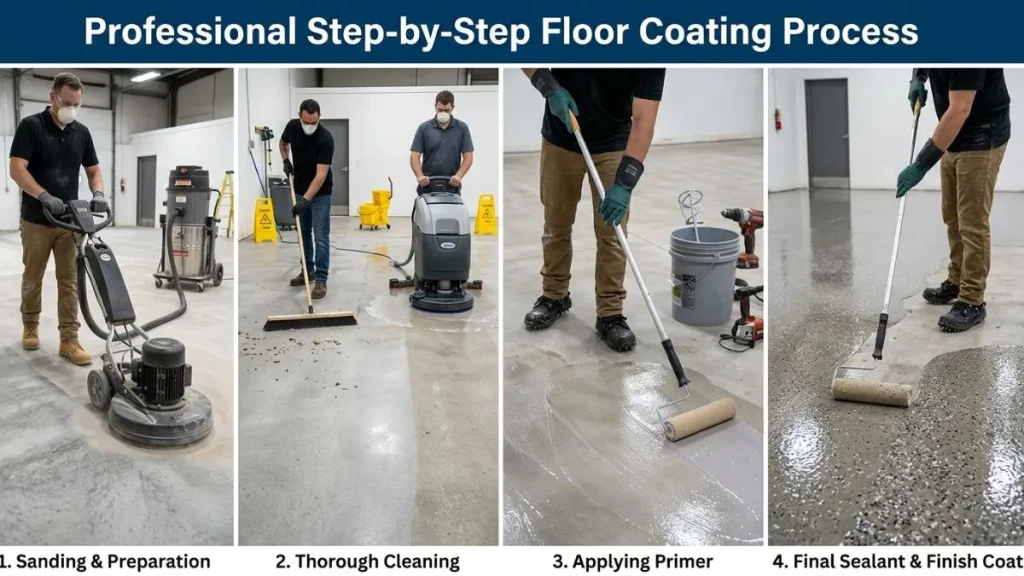
Applying floor coatings requires careful preparation and technique. Clean the floor thoroughly to remove dust, grease, and old coatings. A smooth, dry surface helps coatings stick well.
- Prepare the Surface: Sweep, mop, and use degreasers if needed.
- Repair Cracks: Fill holes and cracks before coating.
- Use Primer: Apply a suitable primer designed for floors.
- Apply Even Coats: Use a roller or brush for uniform thickness.
- Dry Time: Allow full drying between coats as per instructions.
Keep the room well ventilated during application. Avoid applying coatings in very cold or humid conditions. These can cause bubbling or poor adhesion. Using multiple thin coats is better than one thick coat. This approach reduces drying problems and improves durability.
Tools and materials checklist:
- Floor cleaner and degreaser
- Sandpaper or grinder (for rough floors)
- Floor primer (floor-specific)
- Quality roller and brushes
- Protective gear (gloves, mask)
Maintenance And Longevity
Maintaining floor coatings extends their life and keeps floors safe. Regular cleaning prevents dirt buildup that can wear down coatings. Use soft brooms or mops to avoid scratches.
- Cleaning: Use mild detergents and avoid harsh chemicals.
- Spill Management: Wipe spills quickly to prevent stains and damage.
- Furniture Protection: Add felt pads under furniture legs to stop scratches.
- Re-coating: Plan to reapply coatings every few years or as wear shows.
Inspect floors regularly for chips or cracks. Early repairs prevent bigger problems. Avoid dragging heavy objects across floors. Use rugs or mats in high-traffic areas to reduce wear.
Follow manufacturer guidelines for cleaning and care. Proper maintenance can add years to the floor coating’s life. A well-maintained floor looks better and stays safer.
Read Also: Splintered Wood Floor Repair
Conclusion
Kilz is not a good choice for floors because it does not hold up well. It can peel, crack, or wear away quickly under foot traffic. Floors need strong, flexible products that last long. Using Kilz on floors may cause more problems later.
Choose products made especially for flooring to keep surfaces safe and durable. This helps avoid costly repairs and maintains a clean look. Always pick the right product for your project to get the best results.