

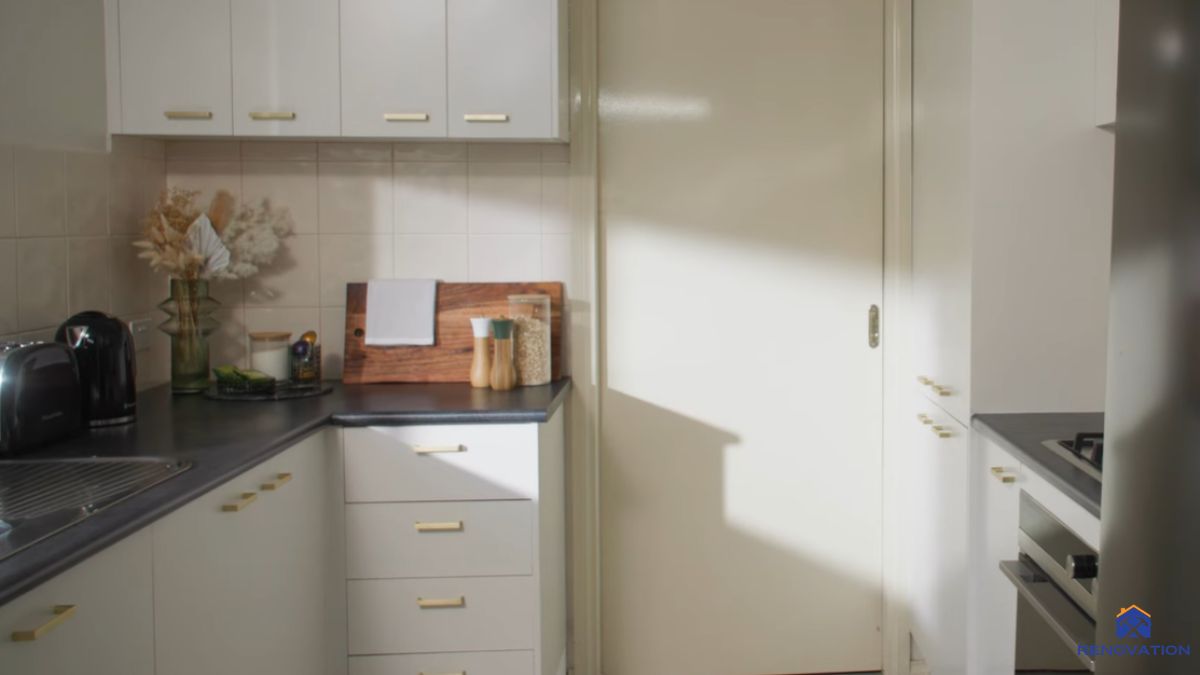
Are your vinyl covered cabinets looking dull or outdated? You don’t have to replace them to give your kitchen or bathroom a fresh new look.
Painting your vinyl cabinets is an easy and affordable way to transform your space without the hassle of a full renovation. But you might be wondering—how do you get the paint to stick properly and look smooth?
In this guide, you’ll discover simple, step-by-step tips to paint your vinyl covered cabinets like a pro.
Preparing Cabinets For Painting
Preparing cabinets for painting is a crucial step to achieve a smooth and long-lasting finish. Vinyl-covered cabinets need special care before painting. Proper preparation helps the paint stick better and prevents peeling or bubbling. Take time to clean, remove hardware, and sand the surface carefully. These steps create the perfect base for your new paint.
Cleaning The Surface
Cleaning is the first and most important step before painting vinyl cabinets. Dirt, grease, and dust can stop paint from sticking properly. Use a mild cleaner that cuts through grease without damaging the vinyl. Avoid harsh chemicals that might break down the vinyl coating.
- Mix warm water with a few drops of dish soap.
- Use a soft cloth or sponge to scrub all surfaces gently.
- Rinse with clean water to remove soap residue.
- Dry completely with a clean towel to avoid moisture under the paint.
Tip: For tough stains or grease, try a mixture of vinegar and water (1:1 ratio). Test a small hidden area first to ensure it does not harm the vinyl.
Removing Hardware
Removing cabinet hardware makes painting easier and cleaner. Paint will cover all edges evenly without hardware blocking parts of the surface. It also prevents hardware from getting messy or damaged by paint.
Follow these steps:
- Use a screwdriver to remove handles, knobs, and hinges carefully.
- Keep screws and hardware in a labeled container to avoid losing them.
- Remove doors and drawers if possible to work on flat surfaces.
- Place doors and drawers on a drop cloth or clean surface for sanding and painting.
Note: Label each door and drawer with painter’s tape for easy reinstallation. This saves time and avoids confusion later.
Sanding Techniques
Sanding vinyl cabinets improves paint adhesion by creating a rough surface. Use the right sanding materials and methods to avoid damaging the vinyl. Sanding too hard can tear or peel the vinyl, so be gentle.
Steps for sanding vinyl cabinets:
- Use fine-grit sandpaper (220 grit) for light abrasion.
- Sand all cabinet surfaces evenly in a circular motion.
- Focus on edges and corners where paint may peel.
- Wipe away sanding dust with a damp cloth after sanding.
Consider using a sanding sponge for better control on curved or detailed areas. Avoid using coarse sandpaper; it can damage the vinyl layer and ruin your project.
Choosing The Right Paint
Painting vinyl covered cabinets can transform your kitchen without a full renovation. Choosing the right paint is key for a smooth, lasting finish. Vinyl surfaces are smooth and non-porous, so regular paint may peel or chip. Selecting paint designed to stick well to vinyl ensures your cabinets look great for years.

Types Of Paint For Vinyl
Not all paints work well on vinyl cabinets. You need paint that adheres strongly and resists cracking. Here are common paint types suitable for vinyl:
- Latex Paint: Water-based and easy to clean up. Choose high-quality latex with a semi-gloss or satin finish for durability.
- Acrylic Paint: Offers excellent adhesion and flexibility. It handles surface movement without cracking.
- Chalk Paint: Popular for a matte look. Needs a protective topcoat to prevent damage.
- Oil-Based Paint: Strong adhesion and smooth finish. Longer drying time and more fumes.
Use paint with a satin or semi-gloss finish. These finishes resist stains and are easier to clean than flat paints.
Primers That Work Best
Primers create a strong base for paint on vinyl cabinets. They improve paint adhesion and durability. Without primer, paint may peel or chip quickly. Look for primers made for slick or glossy surfaces.
Recommended primer types include:
- Bonding Primers: Specially formulated to stick to vinyl and plastic surfaces.
- Shellac-Based Primers: Excellent adhesion and stain blocking. Dries fast but has a strong smell.
- Latex Primers: Good for general use. Use high-quality versions designed for glossy surfaces.
Painting Process
Painting vinyl-covered cabinets requires careful preparation and technique to ensure a smooth, long-lasting finish. The painting process involves several key steps, including priming the surface, choosing the right tools, and applying paint correctly.

Applying Primer
Primer creates a strong base for paint to stick to vinyl surfaces. Since vinyl is slick and non-porous, regular paint will peel off quickly without primer.
Steps for applying primer:
- Clean the cabinets thoroughly. Remove grease, dirt, and dust using a degreaser or mild soap and water.
- Lightly sand the surface. Use fine-grit sandpaper (220 grit) to scuff the vinyl. This helps the primer bond better.
- Choose a primer made for plastic or vinyl. These primers have special formulas to stick to smooth surfaces.
- Apply primer evenly. Use a brush or roller for smooth coverage. Avoid thick layers to prevent drips.
- Let primer dry completely. Check the label for drying time, usually 1-2 hours.
Using Brushes And Rollers
Brushes and rollers are common tools for painting vinyl cabinets. Each tool serves a different purpose and gives a distinct finish.
Brushes:
- Use high-quality synthetic brushes for smooth application.
- Brush edges and detailed areas carefully to avoid drips.
- Choose smaller brushes for corners and trim.
Rollers:
- Use a foam roller for a smooth, even finish.
- Roll in long, steady strokes to reduce texture.
- Ideal for flat cabinet doors and large surfaces.
Using the right brush or roller helps avoid brush marks and achieves a professional-looking finish.
Spray Painting Tips
Spray painting vinyl cabinets gives a smooth, factory-like finish. It covers evenly and reaches small crevices easily.
Preparation:
- Work in a well-ventilated area or outdoors.
- Use painter’s tape to protect edges and hardware.
- Wear a mask and goggles for safety.
Spray technique:
- Shake the spray paint can well before use.
- Hold the spray can 8-12 inches from the surface.
- Spray in light, even coats with steady horizontal strokes.
- Overlap each pass by about 50% for full coverage.
- Do not spray too heavily to avoid drips and runs.
Drying and finishing:
- Allow each coat to dry completely before the next.
- Apply 2-3 thin coats for best results.
- Lightly sand between coats with fine-grit sandpaper.
- Clean the spray nozzle after use to prevent clogging.
Recommended: How to Paint Kitchen Cabinets
Drying And Curing
Painting vinyl-covered cabinets can transform your kitchen’s look without the cost of replacement. After applying paint, the drying and curing stages are crucial for a smooth, lasting finish. Drying means the paint feels dry to touch, while curing is the process where paint hardens fully. Both steps take time and care to avoid damage and ensure durability.
Recommended Drying Times
Allow enough time between each step to get the best results. Drying times vary by paint type and room conditions.
- Latex paint: Usually dry to touch within 1 hour.
- Oil-based paint: Takes 6 to 8 hours to dry to touch.
- Primer: Typically dries in 30 minutes to 1 hour.
Complete curing takes longer than drying. Here is a simple chart to guide you:
| Paint Type | Dry to Touch | Recoat Time | Full Cure Time |
| Latex | 1 hour | 4 hours | 7 days |
| Oil-Based | 6-8 hours | 24 hours | 7 days |
| Primer | 30-60 minutes | 1 hour | 24 hours |
Keep the room temperature between 65°F and 75°F. Good airflow helps paint dry evenly. Avoid high humidity and direct sunlight.
Avoiding Common Mistakes
Skipping proper drying and curing leads to peeling and uneven surfaces. Follow these tips to avoid common errors:
- Do not rush recoating. Wait the recommended time before applying the next layer.
- Avoid touching the paint before it is fully dry to prevent smudges.
- Keep the area dust-free. Dust can stick to wet paint and ruin the finish.
- Do not expose cabinets to moisture until paint cures fully.
Use a fan or open windows to improve air circulation but avoid strong drafts. Strong air can cause uneven drying or dust settling.
Patience is key. Letting paint cure fully protects your work and ensures a strong, beautiful surface.
Finishing Touches
After painting vinyl covered cabinets, the final steps bring the project to life. Finishing touches make the cabinets look smooth, fresh, and durable. These steps help protect the paint and improve the cabinet’s overall appearance. Small details here create a big difference.
Cleaning And Removing Tape
Wait at least 24 hours before touching the paint. This allows it to dry well. Carefully peel off painter’s tape while the paint is still slightly soft. Pull tape slowly at a 45-degree angle. This prevents peeling the paint off the surface.
Use a soft cloth to wipe away any dust or dirt. Avoid using water or cleaners until the paint fully cures, usually after 7 days.
Applying A Clear Protective Coat
A clear coat protects the paint and adds a nice finish. Choose a water-based polyurethane for easy cleanup and low odor. Use a foam brush or a small roller to apply it evenly.
- Apply thin coats to avoid drips.
- Wait 2-4 hours between coats.
- Lightly sand with fine-grit sandpaper (220 grit) between coats for smoothness.
- Apply 2-3 coats for good protection.
Reattaching Hardware And Doors
Make sure the paint is fully dry before putting hardware back. Check hinges and handles for any damage or rust. Replace if needed for a fresh look.
- Carefully screw back all knobs and handles.
- Rehang doors on the hinges.
- Test doors and drawers to ensure they open and close smoothly.
Final Inspection And Touch-ups
Look closely at the cabinets for any missed spots or uneven areas. Use a small brush to fix these spots with matching paint.
Check edges and corners carefully. Touch-ups make the cabinets look perfect and professional.
Conclusion
Painting vinyl covered cabinets can freshen your kitchen’s look. Clean and sand the surface well before starting. Use the right primer and paint for best results. Take your time to apply thin, even coats. Let each layer dry fully to avoid peeling.
This simple project saves money and gives old cabinets new life. Enjoy your bright, updated space without replacing everything. A little effort brings big changes. Ready to start?

