

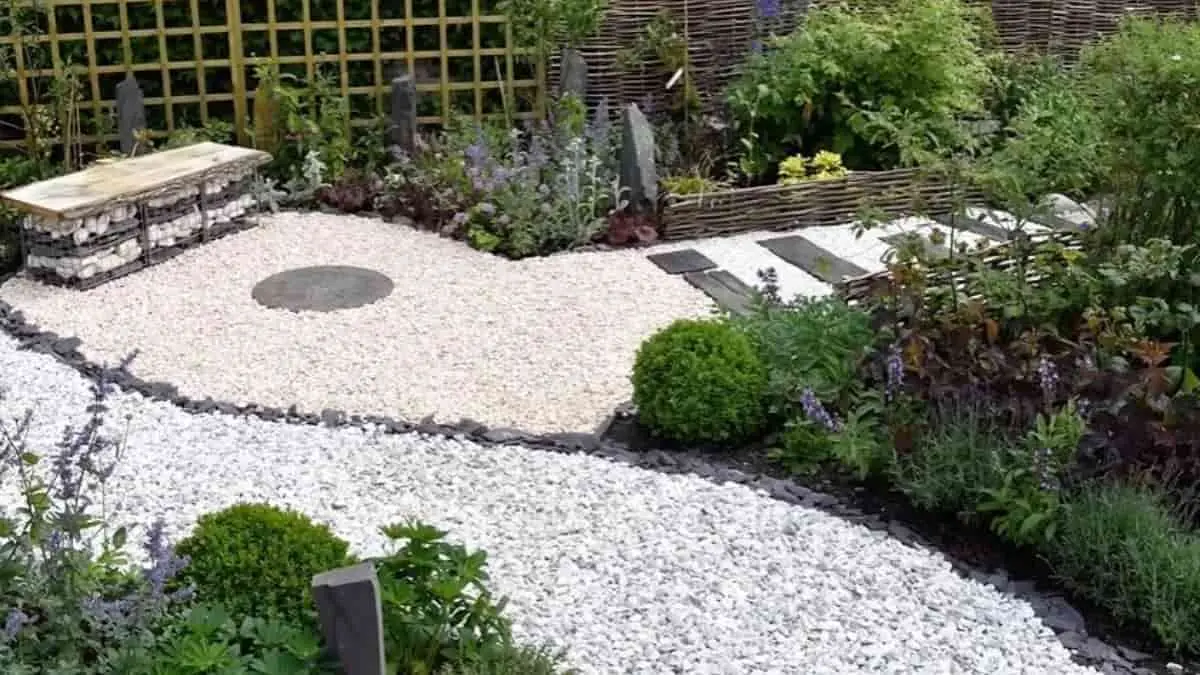
Landscape rock is an essential component in modern landscaping, serving both functional and aesthetic purposes.
Properly placed, landscape rock enhances the visual appeal of outdoor spaces while also providing benefits such as erosion control, improved drainage, and weed suppression.
One crucial factor in maximizing the effectiveness of landscape rock is understanding its depth. Determining the correct depth for landscape rock ensures that it performs its intended functions effectively while maintaining an attractive appearance.
Explore the ideal depths for various rock sizes, the impact of depth on drainage, important design considerations, and best practices for installation.
Additionally, we will identify common mistakes to avoid, empowering you to create a beautifully landscaped space that meets your needs.
Know about Landscape Rock
What is Landscape Rock?
Landscape rock refers to various types of stones used in outdoor design and gardening. These materials can include gravel, river rock, boulders, and decorative stones.
Each type of rock serves distinct purposes and contributes uniquely to the landscape. For instance, gravel is often used for pathways and drainage, while river rock is prized for its aesthetic appeal in flower beds and water features.
Benefits of Using Landscape Rock
Utilizing landscape rock offers numerous advantages for any outdoor space. Landscape rock provides a visually pleasing alternative to traditional mulch or soil, enhancing the overall aesthetics of gardens and yards.
It helps in controlling soil erosion by stabilizing the ground and preventing runoff during heavy rain. Additionally, landscape rock aids in moisture retention, allowing the soil beneath to stay damp longer, which benefits surrounding plants.
By reducing the need for frequent watering, landscape rock can also lead to water conservation, making it an environmentally friendly choice.
Moreover, landscape rock serves as an effective barrier against weeds. Unlike organic mulches, which decompose over time, landscape rock remains intact, minimizing the growth of unwanted plants and reducing maintenance efforts.
This characteristic makes it particularly valuable in landscaping designs where low upkeep is desired. Overall, landscape rock is a versatile and functional element that enhances the beauty and health of outdoor spaces.
Ideal Depth for Different Rock Sizes

Small Rocks (1/4 inch to 1/2 inch)
The recommended depth for small landscape rocks, such as pebbles and gravel measuring between 1/4 inch and 1/2 inch, is typically 2 to 3 inches. This depth allows for adequate coverage while ensuring that the rocks remain stable and do not shift easily.
Small rocks are commonly used for pathways and ground cover, providing a clean, uniform appearance that complements various landscaping styles.
When installed at the appropriate depth, these small rocks can effectively suppress weeds and allow water to drain through to the soil below, promoting healthy plant growth.
Medium Rocks (1 inch to 2 inches)
For medium-sized rocks, ranging from 1 inch to 2 inches, a depth of 3 to 4 inches is ideal. This depth not only enhances the visual appeal but also allows the rocks to interlock, providing better stability.
Medium rocks are often used in flower beds and decorative features, where they can create a natural look and provide contrast against plants and soil.
When properly installed, medium rocks can effectively manage drainage and prevent erosion while still allowing for water penetration to support the health of nearby vegetation.
Large Rocks (2 inches and larger)
Large rocks, such as boulders and decorative stones measuring 2 inches and larger, should be placed at a depth of 4 to 6 inches. This depth ensures that the rocks are securely anchored and visually impactful in the landscape.
Large rocks serve as focal points, garden borders, or retaining walls, adding character and structure to outdoor spaces. It is important to consider the weight and size of these rocks, as deeper placement helps to stabilize them and reduces the likelihood of shifting or toppling over time.
Rock Mulch vs. Decorative Rock
When comparing rock mulch to decorative rock, depth requirements can vary. Rock mulch, which often consists of smaller stones, typically requires a depth of 2 to 4 inches to effectively suppress weeds and retain moisture.
In contrast, decorative rocks, which can be larger and more varied in color, may be placed at depths of 3 to 6 inches depending on their size and intended use.
Understanding the differences in depth requirements between these types of landscape rock is crucial for achieving optimal functionality and aesthetic appeal in your landscaping design.
How Depth Affects Drainage
Importance of Proper Drainage
Proper drainage is essential for maintaining a healthy landscape, as it prevents water accumulation that can lead to plant root rot and erosion. When landscape rock is used, its depth significantly influences how water drains through the system.
A well-drained landscape allows water to percolate into the soil, providing essential moisture to plants while avoiding oversaturation. Conversely, inadequate drainage can result in water pooling, which can harm plant life and negatively impact the overall landscape design.
Impact of Depth on Water Flow
The depth of landscape rock directly affects water flow and drainage efficiency. When installed at the recommended depth, landscape rock allows water to penetrate the rock layer and reach the soil beneath effectively.
For instance, small rocks, when placed at a depth of 2 to 3 inches, provide enough space for water to flow through while still maintaining a barrier against weeds. However, if the rocks are too shallow, water may not flow properly, leading to increased runoff and erosion.
In contrast, if landscape rock is too deep, particularly for small or medium-sized rocks, it may hinder water drainage.
Excess depth can create a barrier that prevents water from reaching the soil, resulting in localized flooding and unhealthy plant conditions. Therefore, achieving the right balance in depth is crucial to ensure that water can flow freely while still allowing the rocks to serve their intended purpose.
Soil Type and Its Influence
The type of soil beneath the landscape rock also plays a critical role in drainage efficiency. Sandy soils tend to drain quickly, allowing water to pass through easily, while clay soils retain moisture and may cause drainage issues.
In areas with heavy clay soil, a deeper layer of landscape rock may be beneficial to improve drainage. However, it is essential to balance the depth with the size of the rocks used, as deeper placements may still hinder water flow if not managed correctly.
Incorporating a drainage layer beneath the landscape rock can enhance overall drainage performance. By adding materials such as gravel or perforated pipes below the rock layer, water can be directed away from plant roots and prevent pooling.
This strategy is especially important in regions prone to heavy rainfall, ensuring that the landscape remains healthy and functional year-round.
Landscaping Design Considerations

Aesthetic Appeal
The depth of landscape rock contributes significantly to the overall aesthetic appeal of a landscaping design. When planning a landscape, it is essential to consider how different rock sizes and depths will complement the existing elements, such as plants, pathways, and structures.
For instance, using small rocks at a shallower depth can create a soft, inviting look, perfect for garden borders or walkways. Conversely, larger rocks placed at deeper levels can serve as striking focal points, drawing attention to specific areas of the yard.
Color and texture also play critical roles in visual appeal. Selecting landscape rocks that harmonize with other materials, such as mulch, soil, and plants, enhances the overall design.
When choosing the depth of the rock, it is vital to think about how sunlight interacts with the landscape throughout the day, as shadows can dramatically alter the appearance of the rocks and surrounding flora.
Functionality and Purpose
In addition to aesthetics, the functionality and purpose of landscape rock must be taken into account. Different areas of a yard may require various rock types and depths based on their intended use.
For example, if the objective is to create a stable, accessible pathway, a depth of 3 to 4 inches of medium-sized gravel will provide a solid footing while ensuring proper drainage.
On the other hand, if the goal is to enhance a flower bed’s visual appeal, a shallower layer of small decorative stones may suffice.
Moreover, landscape rock can serve multiple functions, such as erosion control, water management, and habitat creation for beneficial insects.
Climate Considerations
Climate plays a significant role in determining the appropriate depth of landscape rock. In areas with heavy rainfall, deeper rock layers may be necessary to improve drainage and prevent water accumulation.
In contrast, regions with arid climates may benefit from shallower depths to minimize evaporation and retain moisture in the soil beneath the rocks.
It is also important to consider temperature fluctuations in different climates, as extreme heat or cold can affect the integrity of certain rock types.
Selecting durable, weather-resistant materials can ensure the landscape remains intact and visually appealing throughout the seasons. Understanding these climatic factors will help guide decisions regarding the depth and type of landscape rock to use in the design process.
Maintenance and Upkeep
The depth of landscape rock also influences the level of maintenance required for the landscape. Shallow layers may necessitate more frequent replenishing to maintain a clean appearance and effective weed control. Conversely, deeper layers can provide a more stable environment, reducing the need for ongoing maintenance.
However, it is important to recognize that deeper layers can complicate weed management, as roots may penetrate further into the soil.
Regular monitoring and maintenance practices, such as using landscape fabric underneath the rock layer, can minimize this issue while maintaining the desired aesthetic.
Incorporating these design considerations ensures that the landscape is not only beautiful but also functional and sustainable, catering to both the aesthetic desires and practical needs of the homeowner.
Installation Tips
Preparing the Site
Proper site preparation is crucial for successful landscape rock installation. Before laying down any rock, it is essential to clear the area of any existing vegetation, debris, and large rocks. This step ensures a clean, level surface that promotes effective drainage and minimizes the risk of weed growth.
Once the area is cleared, the next step involves grading the soil to create a slight slope away from structures or plant beds. This slope aids in water runoff, preventing pooling and ensuring that the landscape remains healthy.
To further enhance the effectiveness of the landscape rock installation, consider incorporating landscape fabric. This fabric acts as a barrier between the soil and the rock, preventing weeds from taking root while allowing water and nutrients to penetrate.
Properly overlapping the fabric at the seams and securing it in place with stakes or landscape pins will ensure stability and longevity.
Choosing the Right Tools
Using the appropriate tools can significantly streamline the installation process. Essential tools include a shovel for digging and moving soil, a rake for leveling the surface, and a tamper for compacting the soil.
A wheelbarrow will help transport rock materials efficiently, minimizing the effort required during installation. If working with larger rocks, consider using a dolly or hoist for safe and easy placement.
It may also be beneficial to have a garden hose or spray nozzle handy for adjusting the depth of the rock layer. Watering the area before installation can help settle the soil and reduce dust, leading to a cleaner and more efficient process.
Determining the Right Depth
Achieving the correct depth for landscape rock is vital for both aesthetics and functionality. As discussed earlier, the ideal depth will vary based on the size of the rock and the intended purpose. For smaller rocks, a depth of 2 to 3 inches is typically sufficient, while medium-sized rocks may require 3 to 4 inches for optimal drainage and stability. Larger rocks can often be installed at depths ranging from 4 to 6 inches, ensuring they remain secure and visually impactful.
During the installation process, regularly check the depth using a measuring stick or ruler to maintain consistency across the entire area. Adjustments may be necessary as the rocks are placed, particularly if larger rocks are used, as they can create uneven surfaces if not properly leveled.
Layering and Spreading the Rock
When spreading landscape rock, it is essential to apply the material in layers to achieve an even distribution. Start by placing the rock at one end of the designated area and gradually moving toward the opposite end. This method helps avoid excessive foot traffic on freshly placed rock, which can lead to compaction and an uneven surface.
As you spread the rock, aim for a consistent thickness throughout the area. Using a rake to level the rocks ensures a smooth surface and promotes effective drainage. Additionally, taking care to stagger the seams between larger rocks can create a more natural appearance and prevent shifting over time.
Final Touches and Maintenance
After the installation is complete, performing final touches will enhance the overall appearance of the landscape. Remove any excess rocks that may have spilled over onto adjacent areas, and ensure that the edges of the landscape rock are well-defined.
Consider adding edging materials, such as metal or plastic borders, to create a clear separation between the rock and surrounding soil or grass. This step helps to maintain the integrity of the rock layer and reduces the likelihood of soil erosion.
Regular maintenance is crucial for preserving the aesthetic and functional aspects of the landscape rock installation. Monitoring for weeds and promptly addressing any growth will help maintain the area’s visual appeal.
Additionally, periodically replenishing the rock layer, especially in high-traffic areas, ensures that the landscape remains beautiful and effective over time.
These installation tips, homeowners can achieve a well-designed landscape that meets their aesthetic preferences and functional needs.
Conclusion
Understanding how deep landscape rock should be is essential for achieving both aesthetic appeal and functional benefits in your outdoor spaces.
By considering the ideal depth for different rock sizes, the effects of depth on drainage, and important landscaping design elements, you can create a landscape that not only looks great but also performs well over time.
Proper installation techniques and awareness of common mistakes are crucial for ensuring the longevity and effectiveness of your landscape rock.
With careful planning and attention to detail, you can create a beautiful, low-maintenance outdoor environment that enhances the overall appeal of your property.
Ultimately, the right depth and application of landscape rock can transform your landscape into a stunning focal point while effectively managing water drainage and promoting healthy soil conditions.


