


Finding a hole in your basement floor with water seeping through can be alarming. You might wonder what caused it and how serious it is for your home’s safety.
Ignoring this problem could lead to costly damage, mold growth, and even weaken your foundation. But don’t worry—understanding why this happens and what steps you can take will help you protect your home and peace of mind. Keep reading to discover the causes, risks, and effective solutions to fix that hole and stop the water from coming in.
Causes Of Basement Floor Holes
Basement floors can develop holes due to several underlying issues. These holes often let water seep inside, causing more damage and discomfort. Common causes include water damage, poor construction, and soil movement. Each factor affects the basement floor differently, but all can lead to cracks and holes that let water in.
Water Damage And Erosion
Water is one of the main reasons basement floors develop holes. When water collects around the foundation, it seeps through cracks and weak spots. Over time, this water wears away the concrete or soil beneath the floor. This process is called erosion. It slowly removes material, creating holes and gaps.
Signs of water damage include:
- Damp or wet spots on the floor
- Musty odors or mold growth
- Visible cracks filled with moisture
Water can come from different sources:
- Leaking pipes inside or under the basement floor
- Groundwater rising after heavy rain
- Poor drainage around the house
Preventing water damage includes fixing leaks, improving drainage, and sealing cracks early. Ignoring water problems only makes holes bigger and harder to repair.
Poor Construction And Materials
Basement floors made with low-quality materials or bad workmanship are more likely to develop holes. Builders may use weak concrete or skip important steps during construction. This creates vulnerable spots that crack or crumble over time.
Common construction problems include:
- Thin or uneven concrete slabs
- Improper mixing of concrete
- Missing or weak reinforcement (rebar)
- Poor curing of concrete after pouring
These issues cause the floor to:
- Develop small cracks that grow larger
- Become brittle and chip away
- Fail to resist pressure from soil and water
Here is a comparison of good vs. poor construction factors:
| Factor | Good Construction | Poor Construction |
| Concrete Thickness | 4-6 inches minimum | Less than 4 inches |
| Reinforcement | Steel rebar or mesh included | Missing or minimal |
| Curing Time | At least 7 days | Less than 3 days |
Quality construction creates a strong floor that resists holes. Poor methods lead to early damage, water leaks, and costly repairs.
Soil Movement And Settling
Soil under and around the basement floor shifts naturally over time. This movement puts pressure on the concrete slab. If the soil settles unevenly, the floor can crack and develop holes.
Common causes of soil movement include:
- Clay soil that expands and shrinks with moisture
- Loose or poorly compacted soil during construction
- Heavy rainfall causing soil erosion
- Nearby tree roots disturbing the ground
Effects of soil movement on basement floors:
- Uneven floor surface
- Large cracks along weak spots
- Gaps where water can enter
Here is a simple explanation of how soil type affects floor stability:
| Soil Type | Movement Behavior | Impact on Basement Floor |
| Clay | Expands when wet, shrinks when dry | Cracks and holes from shifting |
| Sandy | Drains water quickly, less movement | Stable but may erode under water |
| Loam | Moderate water retention and movement | Generally stable with proper drainage |
Monitoring soil conditions and improving drainage helps reduce basement floor damage. Addressing soil settling early prevents holes and water leaks.
Signs Of Water Issues In Basement
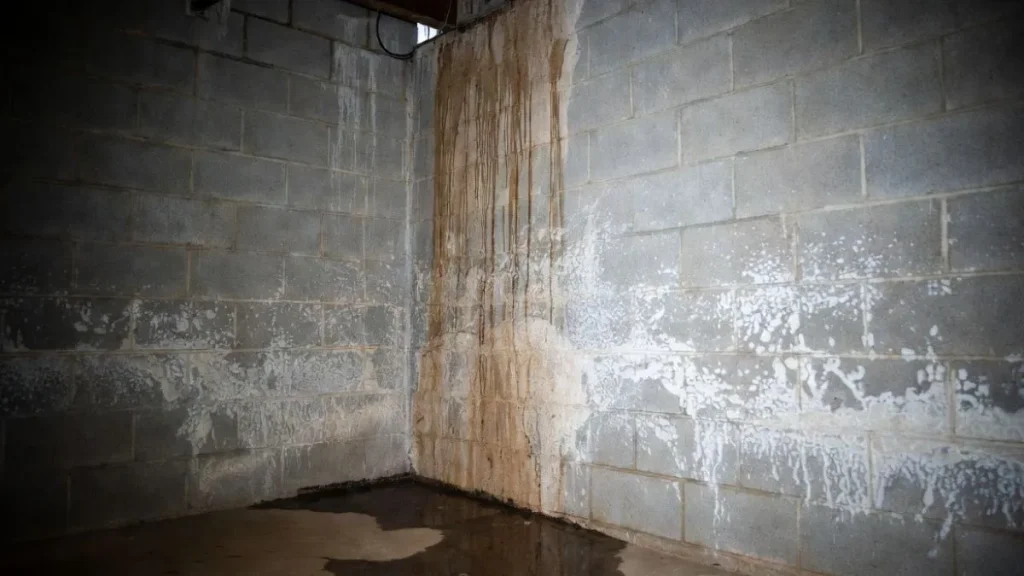
Finding a hole in the basement floor with water can signal serious problems. Water issues in basements often start small but worsen over time. Early signs help catch damage before it spreads. Recognizing these signs saves money and keeps your home safe. Below are common signs of water issues in basements that need attention.
Visible Cracks And Holes
Visible cracks and holes in basement floors or walls are clear warning signs. These openings allow water to seep inside, causing dampness and structural damage.
- Cracks: Hairline cracks may seem harmless but can widen over time.
- Holes: Small holes often indicate erosion or poor concrete quality.
- Expansion: Cracks growing in size or number show ongoing pressure or water intrusion.
Look for cracks near:
- Floor corners
- Wall-floor joints
- Drainage areas
Use this table to assess the crack severity:
| Crack Size | Possible Cause | Recommended Action |
| Less than 1/8 inch | Normal settling | Monitor regularly |
| 1/8 to 1/4 inch | Minor water pressure | Seal with epoxy or polyurethane |
| More than 1/4 inch | Structural damage | Consult a professional |
Ignoring cracks can lead to bigger holes and water pooling inside your basement. Early repair stops water damage and protects your home’s foundation.
Dampness And Mold Growth
Dampness is a common sign of water problems in basements. Moisture can come from groundwater, leaks, or poor ventilation. Damp areas feel cold and may look darker than dry spots.
Mold grows in damp, dark places. It appears as black, green, or white patches on walls, floors, or ceilings. Mold spores affect air quality and can cause health problems.
- Damp walls or floors: Check for wet spots or discoloration.
- Condensation: Water droplets on pipes or windows indicate high humidity.
- Musty spots: Areas that stay wet or smell damp promote mold growth.
Unusual Odors
Strange smells in the basement often signal hidden water issues. Water trapped in floors or walls creates a damp environment that breeds bacteria and mold.
Common unusual odors include:
- Musty smell: A stale, earthy scent from mold and mildew.
- Rotten odor: Caused by decaying wood or organic matter.
- Chemical smell: Sometimes from stagnant water or sewage backup.
Odors may be stronger after rain or in humid weather. They often worsen if water problems continue unchecked.
Assessing The Damage
Discovering a hole in your basement floor with water can be alarming. Assessing the damage quickly helps prevent further problems. This step-by-step check reveals how serious the issue is and what needs fixing.
Inspecting The Hole Size And Depth
Start by measuring the hole’s size and depth. Use a tape measure or ruler to get accurate numbers. Record both width and length, then check how deep it goes into the floor.
- Mark the edges clearly for reference.
- Look for cracks spreading from the hole.
- Note if the hole has sharp or smooth edges.
Document these details with photos for future comparison. Small holes under 2 inches wide often mean minor damage. Larger holes, especially over 6 inches, suggest a bigger problem.
| Hole Size | Possible Cause | Repair Urgency |
| Less than 2 inches | Surface wear or minor cracking | Low |
| 2 to 6 inches | Water erosion or settling | Medium |
| More than 6 inches | Structural damage or severe erosion | High |
Depth matters too. Holes deeper than 4 inches may affect the basement’s foundation strength.
Checking Structural Integrity
Next, check if the hole affects your basement’s structure. Look for signs that the floor or nearby walls are weakening.
- Tap around the hole with a hammer or screwdriver to hear if the concrete sounds hollow.
- Inspect nearby walls for cracks or bulges.
- Check if the floor feels uneven or sinks near the hole.
Structural damage can cause safety risks and worsen over time. Note any movement or shifting in the floor. Also, watch for water stains or mold near cracks.
Identifying Water Source
Finding where the water comes from helps stop damage. Water in the hole may come from outside or inside the home.
Common water sources:
- Groundwater seeping through cracks.
- Leaking pipes or drains.
- Rainwater pooling near the foundation.
- High indoor humidity causing condensation.
Check outside drainage and gutters. Ensure water flows away from the basement walls. Inside, inspect plumbing for leaks near the hole.
Use a flashlight to look inside the hole and around the basement floor. Look for wet spots, damp odors, or dripping water.
| Water Source | Signs to Look For | Action |
| Groundwater | Damp soil, wet walls, musty smell | Improve drainage, seal cracks |
| Leaking Pipes | Water pooling, corrosion, dripping sounds | Fix plumbing, replace pipes |
| Rainwater | Puddles outside, clogged gutters | Clean gutters, slope soil away |
| Condensation | Dew on surfaces, high humidity | Use dehumidifier, improve ventilation |
Identifying the water source stops the problem from getting worse. Take notes and photos to help with repairs or professional advice.
Temporary Fixes For Water In Holes
Finding a hole in your basement floor filled with water can be stressful. Water in these holes can damage your home’s foundation and cause mold. Temporary fixes help control the problem until you can get professional repairs. Quick actions reduce water damage and keep your basement safer. These fixes do not last forever but give you time to plan a permanent solution.
Using Sealants And Waterproof Patches
Sealants and waterproof patches are easy ways to stop water from entering basement floor holes temporarily. These materials create a barrier that blocks moisture. Choose products made for concrete and designed to resist water pressure.
- Clean the hole first. Remove dirt, dust, and loose debris.
- Apply the sealant evenly to cover the entire hole surface.
- Use waterproof patches for larger holes. These patches stick over the hole and seal it.
- Allow drying time as per product instructions before exposing to water.
Some popular sealants include epoxy, hydraulic cement, and polyurethane. Each has unique benefits:
| Sealant Type | Best Use | Drying Time |
| Epoxy | Small cracks and holes | 6-12 hours |
| Hydraulic Cement | Active leaks and large holes | 15 minutes |
| Polyurethane | Waterproof flexible seal | 4-6 hours |
Remember: These are temporary fixes. Check the sealed areas regularly for leaks or cracks. Reapply as needed until you can do permanent repairs.
Installing A Sump Pump
A sump pump helps remove water accumulating in basement holes or low spots. This device pumps water out to prevent flooding. Installing a sump pump is a practical temporary fix that reduces water damage risk.
Steps for sump pump installation include:
- Dig a sump pit near the water collection area.
- Place the sump pump inside the pit.
- Connect a discharge pipe to direct water away from your home.
- Plug in the pump and test it with water to ensure it works.
Sump pumps work best in basements prone to water buildup. They activate automatically when water reaches a certain level. Some key benefits:
- Keeps basement dry by removing water quickly.
- Prevents mold growth caused by standing water.
- Protects foundation from water damage.
Note: Sump pumps need electricity to run. Consider a battery backup for power outages. Regular maintenance keeps the pump efficient and prevents failures.
Improving Drainage Around Foundation
Water often enters basement holes due to poor drainage outside the foundation. Fixing this can reduce water buildup and protect your basement floor.
Ways to improve drainage include:
- Extend downspouts to carry rainwater away from the house.
- Grade the soil so it slopes away from the foundation.
- Install French drains or gravel trenches to redirect water.
- Clear gutters regularly to prevent overflow near the foundation.
Proper drainage helps keep water from pooling near basement walls and floors. This reduces water pressure on the foundation and lowers the chance of water entering holes.
Drainage improvement can be a simple DIY project or require professional help depending on the damage. Even small adjustments make a big difference in managing water around your basement.
Permanent Repair Solutions
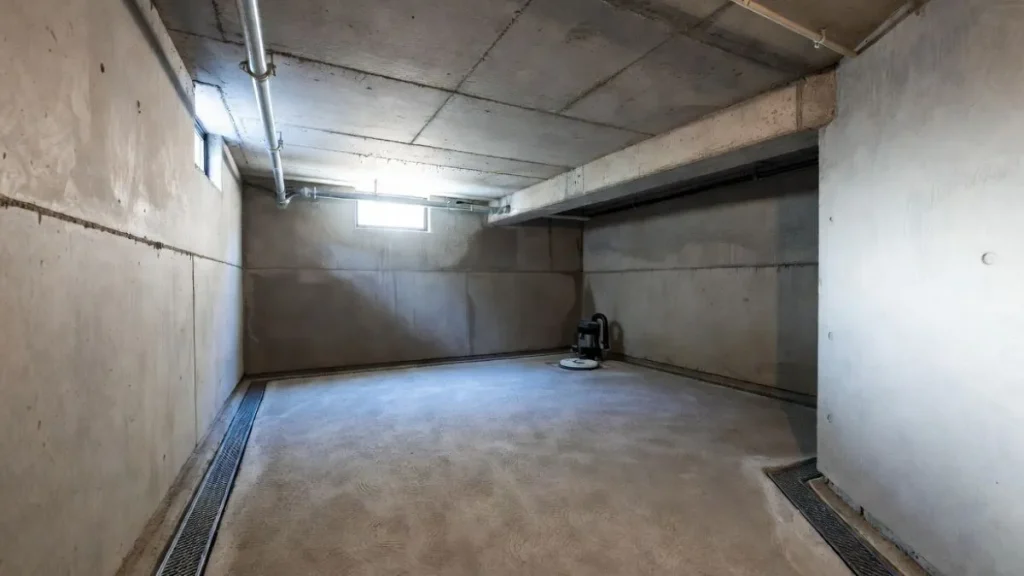
Holes in basement floors that let water in cause serious damage over time. Water seeps through cracks, leading to mold, structural problems, and unhealthy air. Permanent repair solutions fix these issues at their source. They stop leaks and protect your basement from future water damage. Using strong, lasting methods keeps your home safe and dry for years.
Concrete Patching And Resurfacing
Concrete patching repairs small to medium holes in basement floors. This method restores the floor’s strength and seals gaps where water can enter. The process starts with cleaning the damaged area thoroughly. Loose debris and dirt are removed for better bonding.
- Step 1: Clean the hole and surrounding surface.
- Step 2: Apply a bonding agent to help the patch stick.
- Step 3: Fill the hole with a high-quality concrete mix.
- Step 4: Smooth and level the surface for a seamless finish.
Resurfacing covers the entire basement floor with a thin concrete layer. This hides small cracks and creates a uniform surface. It also adds a protective barrier against moisture. The material used is designed to resist water and wear.
Foundation Waterproofing
Foundation waterproofing stops water from entering through basement walls and floors. It is vital for homes built on wet or clay soils. This process involves applying waterproof coatings or membranes to the foundation’s exterior.
Waterproofing creates a shield that repels moisture and seals tiny cracks. This barrier keeps water from seeping in during heavy rain or snow melt. It also reduces pressure on basement walls, lowering crack risk.
- Exterior waterproofing: Excavation around the foundation to apply membranes or coatings.
- Interior waterproofing: Sealants and drainage systems installed inside the basement.
Here is a quick comparison of common foundation waterproofing methods:
| Method | Advantages | Considerations |
| Exterior Membrane | Highly effective, long-lasting | Requires excavation, costly |
| Interior Sealant | Less expensive, no digging | May not stop heavy water pressure |
| Drainage Systems | Redirects water away from foundation | Needs regular maintenance |
Proper foundation waterproofing protects the entire basement structure. It reduces the risk of leaks and foundation cracks over time.
Professional Basement Waterproofing Services
Experts offer full basement waterproofing solutions. They assess the problem and recommend the best repair method. Professional services ensure repairs are done correctly and last longer.
Services include:
- Inspection of basement floors and walls.
- Identification of water entry points and causes.
- Installation of waterproof barriers and drainage systems.
- Concrete repair and sealing.
- Ongoing maintenance and warranty support.
Read Also: Square Hole in Basement Floor
Conclusion
A hole in the basement floor with water can cause serious damage. Fixing it quickly helps stop water from spreading. Check the area often to catch problems early. Use simple tools or call a professional if needed. Keeping your basement dry protects your home and health.
Small steps now save big repairs later. Stay alert and act fast to keep your basement safe.


