
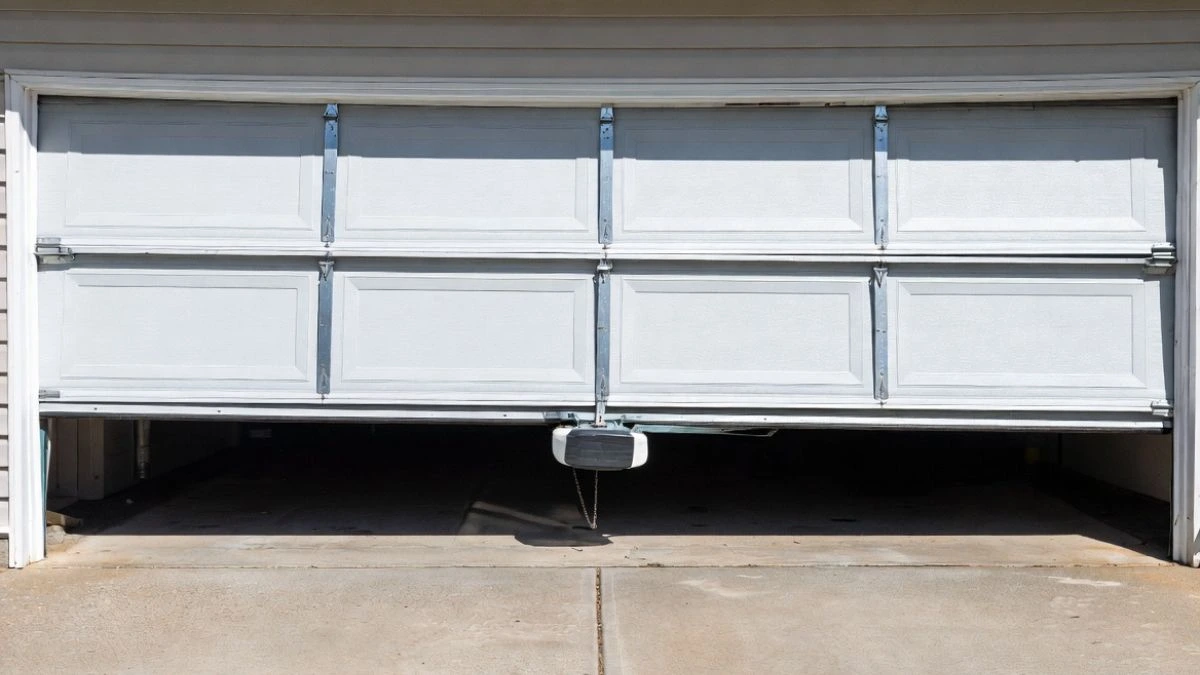
Is your garage door making a clicking sound but refusing to close? This common problem can be frustrating and even worrying.
You might wonder if it’s something simple you can fix yourself or a sign of a bigger issue. Understanding why your garage door isn’t closing and why you hear that clicking noise is the first step to solving the problem quickly.
Common Causes Of Clicking Sound
The clicking sound from a garage door that won’t close is a common issue. It usually signals a mechanical or electrical problem inside the door system.
Sensor Misalignment
Garage doors use safety sensors placed near the floor on both sides of the door frame. These sensors detect if something blocks the door’s path. If the sensors are not aligned properly, they cannot “see” each other, causing the door to stop and click. This safety feature prevents the door from closing on objects or people.
Signs of sensor misalignment:
- The sensor lights are off or blinking.
- The door clicks but does not close.
- Intermittent operation of the garage door.
Track Obstructions
Obstructions in the garage door tracks often cause clicking sounds. Dirt, debris, or small objects can block the rollers or tracks. This stops the door from moving smoothly. The motor keeps trying to close the door, creating a clicking noise.
Common track obstructions include:
- Leaves and twigs
- Small stones or gravel
- Loose screws or hardware parts
- Rust or dirt buildup
Worn Out Gears
The gears inside the garage door opener control the door’s movement. Over time, these gears wear out or break, causing clicking sounds. Worn gears may slip or fail to engage, so the door cannot close fully.
Signs of worn out gears:
- Repeated clicking noises when closing
- Door moves slowly or stops mid-way
- Visible damage to the gear teeth
Motor Issues
The garage door motor powers the opener system. Motor problems often cause the clicking sound when the door won’t close. The motor may try to work but fails due to electrical or mechanical faults.
Common motor issues include:
- Burnt-out motor winding
- Faulty motor capacitor
- Overheating due to overuse
- Electrical connection problems
Diagnosing The Problem
When a garage door refuses to close and makes a clicking sound, the issue often lies in mechanical or electrical faults. Diagnosing the problem helps identify the exact cause. This step saves time and avoids unnecessary repairs. Focus on key areas like sensors, tracks, motor, and gears. Each part plays a role in smooth door operation.
Checking The Safety Sensors
The safety sensors prevent the door from closing if something blocks the path. Faulty sensors often cause a clicking sound as the door tries to close but stops abruptly.
- Locate the sensors: Usually near the bottom of the door tracks on both sides.
- Check alignment: Sensors must face each other directly without obstruction.
- Clean the lenses: Dirt or spider webs can block the sensor signal.
- Test the LED lights: Both sensors should have a steady green or red light.
Inspecting The Tracks And Rollers
Tracks and rollers guide the garage door smoothly up and down. Dirt, dents, or worn rollers cause resistance and clicking sounds as the door tries to close.
- Visual check: Look for debris, dents, or bends in the tracks.
- Clean tracks: Remove dirt and grease buildup with a cloth.
- Inspect rollers: Rollers should spin freely without wobbling.
- Lubricate: Apply a silicone-based lubricant to rollers and tracks.
- Tighten loose hardware: Screws and bolts must be secure but not overtightened.
Testing The Motor Function
The motor powers the door’s movement. A clicking sound may indicate motor failure or electrical problems.
- Listen carefully: Is the motor humming, clicking, or silent when activated?
- Check power supply: Ensure the opener is plugged in and the circuit breaker is on.
- Reset the motor: Unplug the motor for 30 seconds, then plug it back in.
- Test remote and wall switch: Try both to rule out control issues.
Listening For Gear Noise
Gears inside the motor drive the door mechanism. Clicking or grinding sounds often point to worn or broken gears.
- Open the garage door manually: Listen for unusual noises in the gear area.
- Run the motor briefly: Note any repetitive clicking or grinding sounds.
- Inspect the gear housing: Look for visible damage or missing teeth on gears.
- Check for lubrication: Gears need grease to work quietly and smoothly.
Fixing Sensor Issues

Garage doors often make a clicking sound when they fail to close properly. One common cause is an issue with the safety sensors. These sensors ensure the door closes only when the path is clear. Fixing sensor issues can stop the clicking noise and help the door close smoothly. Sensors may misalign, get dirty, or become faulty. Each problem needs a different fix to restore the garage door’s normal function.
Realigning Sensors
Misaligned sensors are a frequent cause of garage doors not closing and clicking repeatedly. Sensors face each other at the bottom sides of the door frame. If they are not perfectly aligned, the door thinks there is an obstacle and stops closing.
Steps to realign sensors:
- Locate the sensors on each side of the door frame.
- Check if the small indicator lights on both sensors are on.
- If one or both lights are off or blinking, gently adjust the sensor position.
- Use a screwdriver to loosen mounting brackets and move sensors slightly until lights turn solid.
- Tighten the brackets once sensors align correctly.
Proper sensor alignment stops false signals that cause the clicking noise. Sensors must face each other directly, about 4-6 inches above the ground. Even a small tilt can trigger errors. Keep the sensor lenses free of obstructions like plants, debris, or objects. Test the door after adjustment to confirm it closes without clicking.
Cleaning Sensor Lenses
Dirty sensor lenses can block the infrared beam, causing the door to stop and click. Dust, spider webs, or grime build-up often cover the lenses over time.
Follow these cleaning steps:
- Turn off the garage door opener to avoid accidents.
- Wipe each sensor lens gently with a soft, damp cloth.
- Use mild soap if lenses are very dirty, then rinse with a damp cloth.
- Dry lenses completely with a clean, dry cloth.
- Remove any spider webs, dirt, or debris near the sensor area.
Important cleaning tips:
| Do | Don’t |
| Use soft cloths or microfiber towels | Avoid abrasive materials or harsh chemicals |
| Clean regularly, especially after bad weather | Don’t spray water directly on sensors |
| Check sensors after cleaning for proper operation | Don’t ignore dirt build-up over time |
Keeping lenses clean ensures the sensor beam is clear. This prevents false stops and clicking sounds during door closure.
Replacing Faulty Sensors
Sensors can fail due to electrical problems, wear, or damage. Faulty sensors cause the door to click and stop closing. Replacing sensors is necessary if realigning and cleaning don’t work.
Signs a sensor needs replacement:
- Lights on sensors do not turn on.
- Door stops and reverses even when path is clear.
- Visible damage to sensor units or wiring.
Steps to replace sensors:
- Turn off power to the garage door opener.
- Remove old sensors by unscrewing and disconnecting wires.
- Buy compatible replacement sensors from the manufacturer or hardware store.
- Connect new sensors, ensuring correct wiring and polarity.
- Mount sensors in original positions and tighten screws.
- Turn power back on and test sensor lights and door operation.
Safety tip: If unsure about wiring or installation, hire a professional technician.
Replacing faulty sensors restores the safety function and stops the clicking noise during door closure.
Clearing Track And Roller Problems
When a garage door makes a clicking sound and won’t close properly, the tracks and rollers often cause the problem. These parts guide the door as it moves up and down. Dirt, rust, or damage can stop them from working smoothly. Clearing track and roller problems can fix the noise and help the door close safely. It takes some simple steps like cleaning, oiling, and replacing parts if needed. This keeps the garage door running quietly and without trouble.
Removing Debris
Tracks and rollers collect dirt, leaves, and small stones over time. This debris blocks the door’s movement and causes clicking sounds. Start by inspecting the tracks for visible dirt or objects.
- Use a soft brush or cloth to clear loose dirt.
- Remove stuck debris carefully with a plastic scraper or flat tool.
- Check inside the rollers for trapped dust or grit.
Cleaning tracks and rollers helps the door slide smoothly. Avoid using metal tools that can scratch the tracks. After removing debris, wipe the tracks with a damp cloth to remove fine dust. Dry the area well before lubricating.
| Step | Tool Needed | Purpose |
| Inspect tracks and rollers | Flashlight | Find debris and damage |
| Remove loose dirt | Brush or cloth | Clear dust and dirt |
| Scrape stuck debris | Plastic scraper | Free blockage without damage |
| Wipe tracks | Damp cloth | Remove fine dust |
Lubricating Moving Parts
Dry or rusty tracks and rollers cause noise and slow door movement. Lubrication reduces friction and stops the clicking sound. Use a silicone-based spray or garage door lubricant. Avoid oil or grease that can attract dust.
Apply lubricant to these parts:
- Roller bearings
- Track edges
- Hinges
- Springs and other moving joints
Spray a small amount on each part. Wipe off any extra to prevent dirt buildup. Operate the door up and down a few times to spread the lubricant evenly. Repeat lubrication every six months or after cleaning.
| Part | Lubricant Type | Frequency |
| Roller bearings | Silicone spray or garage door lubricant | Every 6 months |
| Track edges | Silicone spray | Every 6 months |
| Hinges | Garage door lubricant | Every 6 months |
| Springs and joints | Garage door lubricant | Every 6 months |
Replacing Damaged Rollers
Worn or broken rollers cause clicking and stop the door from closing fully. Check rollers for cracks, flat spots, or missing parts. Damaged rollers need replacement to restore smooth motion.
Follow these steps to replace rollers:
- Disconnect power to the garage door opener.
- Secure the door in the open position to prevent accidents.
- Remove the roller from the track by loosening the hinge bolts.
- Buy rollers that match your door’s size and type (steel or nylon).
- Install new rollers carefully, making sure they fit snugly in the track.
- Tighten bolts and test the door movement slowly.
Safety tip: Garage door springs are under high tension. Call a professional if you feel unsure about handling parts.
| Roller Type | Material | Best Use |
| Steel rollers | Metal | Heavy doors, durability |
| Nylon rollers | Plastic | Quiet operation, light to medium doors |
Repairing Gear And Motor Components

A garage door that makes a clicking sound but does not close properly often points to problems with the gear and motor components. These parts work together to lift and lower the door smoothly. Over time, gears can wear out, and motor connections may loosen or fail. Repairing these parts can stop the clicking noise and restore your door’s function.
Replacing Worn Gears
Gears are small but important parts that help the motor move the garage door. Worn or broken gears cause the motor to click without turning the door. Replacing them often solves the problem.
Signs that gears need replacement:
- Loud clicking or grinding noises when the door operates
- Door moves slowly or not at all
- Visible wear or missing teeth on the gear
Steps to replace worn gears:
- Disconnect power to the garage door opener.
- Remove the cover of the opener to access the gears.
- Inspect the gear set for damage or wear.
- Remove the worn gears carefully.
- Install new gears matching the model of your opener.
- Reassemble the opener and test the door.
| Gear Part | Common Issue | Replacement Time |
| Drive Gear | Teeth worn down, slipping | 30-45 minutes |
| Idler Gear | Broken or cracked teeth | 15-30 minutes |
Checking Motor Connections
The motor powers the garage door opener. Loose or damaged connections can cause clicking sounds without moving the door. Checking these connections helps spot electrical problems early.
Common connection issues:
- Loose wires at the motor terminals
- Damaged or frayed wires
- Corrosion on connectors
- Faulty power supply
How to check motor connections:
- Unplug the garage door opener for safety.
- Remove the motor cover carefully.
- Inspect all wires and connectors for looseness or damage.
- Tighten any loose connections with a screwdriver.
- Clean corroded connectors using a contact cleaner.
- Check the power cord and outlet for issues.
- Restore power and test the door operation.
Tip: Use a voltage tester to ensure the motor gets the correct power supply.
You May Like Also: Garage Door Trolley in Wrong Place
Conclusion
A clicking sound when your garage door won’t close can signal a few problems. Check the sensors and tracks for dirt or damage. Tighten loose parts and test the remote batteries. Regular care helps avoid bigger issues. Call a professional if the noise continues or the door stays stuck.
Fixing this early keeps your garage safe and working well. Don’t wait until the problem grows. Small steps can save time and money. Stay alert to sounds your door makes. It’s your best clue to what’s wrong.