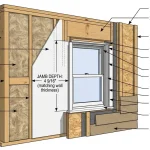


Have you noticed your window sticks out past your siding and wondered if that’s normal? This small detail can affect your home’s look, energy efficiency, and even its safety.
Keep reading to find out what causes your window to extend beyond the siding and what steps you can take to fix it.
Causes Of Window Protrusion
Windows that stick out past the siding can cause problems with a home’s appearance and function. Many factors lead to a window extending beyond the siding, affecting insulation, water protection, and curb appeal. Below are the main reasons why windows might not sit flush with the siding.
Improper Installation
Improper installation is one of the most common causes of window protrusion. When windows are not installed correctly, they often end up sticking out past the siding. This can happen due to several mistakes:
- Wrong window placement: The window frame may be set too far out or too far in the wall opening.
- Incorrect use of shims: Shims help level the window but if placed unevenly, they cause the window to tilt or protrude.
- Inadequate sealing: Poor sealing can lead to gaps that cause the window to shift over time.
These errors affect the window’s fit and durability. Windows installed too far forward can catch wind and rain, increasing the risk of leaks and drafts. Proper installation requires precise measurements and careful alignment with the wall structure.
Framing Issues
Framing problems inside the wall can also cause windows to stick out. The frame supports the window and ensures it fits snugly with the siding. Common framing issues include:
- Warped or damaged studs: These change the shape of the window opening.
- Uneven wall surfaces: The framing may not be level, causing the window to sit unevenly.
- Incorrect rough opening size: Too large or too small openings force the window out of alignment.
These issues make it hard to install the window flush with the siding. Warped framing pushes the window outward. Uneven surfaces create gaps that force the window to protrude. Builders must check framing carefully before installing windows.
- Measure rough openings accurately
- Replace damaged studs
- Ensure wall surfaces are level
Proper framing work is critical for a smooth fit and a clean look.
Siding Measurement Errors
Errors in siding measurement can cause windows to extend beyond the siding surface. Siding must be cut and installed to fit the window perfectly. Common measurement mistakes include:
- Incorrect siding length or width
- Misplaced siding edges around the window
- Failure to account for window trim or flashing
If siding pieces are too short, the window will stick out. If siding is not installed flush to the window trim, gaps and uneven surfaces appear. These errors affect the home’s look and can let in water and air.
Potential Problems From Protruding Windows
Windows that stick out past the siding can cause several issues for homeowners. These protruding windows affect the home’s structure, comfort, and appearance. Below are the common concerns related to windows extending beyond the siding line.
Water Infiltration Risks
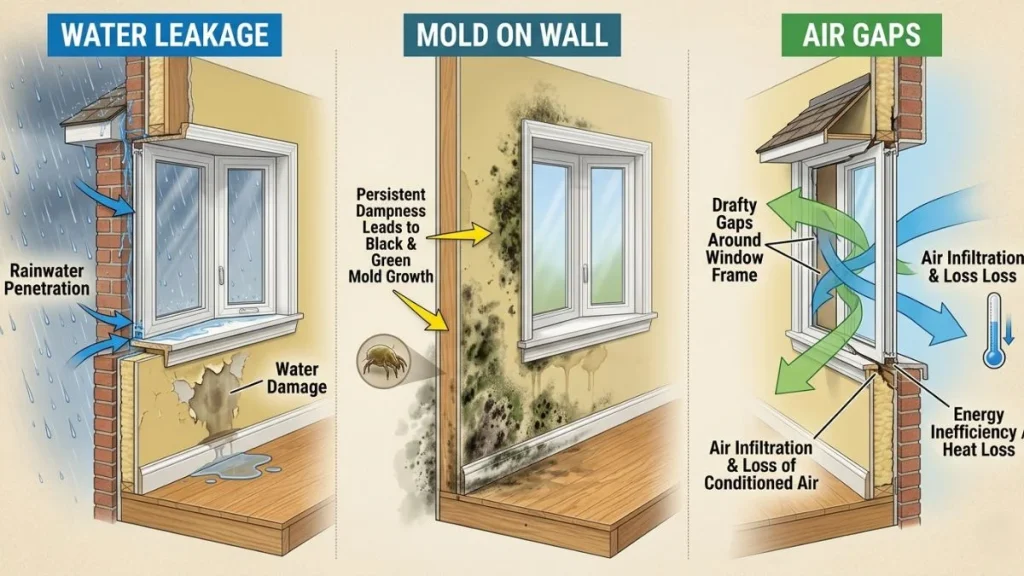
When a window extends past the siding, it creates gaps and uneven surfaces where water can enter. Water infiltration is a serious problem that can lead to mold, wood rot, and damage to insulation. Rainwater and melting snow may collect around the window frame instead of draining properly.
- Gaps and cracks: Spaces between the window and siding allow water to seep in.
- Poor flashing installation: Flashing may not cover the extended window correctly.
- Trapped moisture: Moisture can get trapped behind siding, causing wood to decay.
- Leaking inside walls: Water infiltration can damage drywall, insulation, and framing.
A simple table shows common signs and causes of water infiltration:
| Sign | Cause |
| Peeling paint near window | Water trapped behind siding |
| Soft or rotting wood | Long-term moisture exposure |
| Stains on interior walls | Leaks through window frame |
| Mold or mildew smell | Hidden moisture buildup |
Proper flashing, sealing, and siding adjustments reduce these risks. Ignoring protruding windows can cause serious water damage over time.
Energy Efficiency Concerns
Windows that stick out past siding often affect a home’s energy efficiency. The extra space around the window creates weak spots for heat loss during winter and heat gain in summer. This leads to higher energy bills and less comfort indoors.
- Air leaks: Gaps around the window increase drafts and reduce insulation.
- Thermal bridging: The window frame may conduct heat more easily where it extends beyond siding.
- Inconsistent insulation: Uneven siding makes it hard to seal and insulate properly.
Here is a simple comparison of energy loss factors:
| Factor | Normal Window | Protruding Window |
| Air Leakage | Low | High |
| Insulation Coverage | Complete | Partial |
| Heat Transfer | Minimal | Increased |
Energy loss causes discomfort and raises heating and cooling costs. Sealing gaps and adding insulation around the window can improve efficiency. Without fixes, protruding windows reduce the home’s energy performance significantly.
Aesthetic Impact
Windows that stick out past the siding affect the home’s curb appeal. The uneven look draws attention and can make the exterior seem unfinished or poorly maintained. This aesthetic impact can lower property value and make the house less attractive.
Common visual problems include:
- Uneven surfaces: The window frame disrupts the smooth siding lines.
- Shadow lines: Protruding windows create shadows that highlight irregularities.
- Paint and trim issues: Painting around the extended window is harder and may look sloppy.
Homeowners often notice these issues:
- The window looks out of place compared to the rest of the siding.
- The siding near the window may show gaps or misalignment.
- Overall facade harmony is lost, reducing visual appeal.
Fixing the window alignment or adjusting the siding can restore balance. A clean, flush window improves the house’s appearance and makes it more inviting. Neglecting this problem can lead to a dated and unkempt look.
Inspection Techniques
Inspecting a window that sticks out past the siding requires careful techniques to identify potential issues. Proper inspection helps find gaps, misalignment, or damage early. Using clear methods ensures the window and siding work well together, preventing water leaks and energy loss. The key techniques include visual checks, precise measurements, and evaluating how the siding fits around the window.
Visual Assessment
Start with a detailed visual assessment to spot obvious problems quickly. Walk around the window and observe how far it extends beyond the siding. Look for these signs:
- Gaps or cracks between the window frame and siding.
- Water stains or discoloration on siding near the window.
- Warped or loose siding around the window edges.
- Peeling paint or damaged caulking.
Use a flashlight to see under edges and corners. Check for insect damage or mold. Take notes or photos for reference. Pay attention to the window sill and trim. These areas often show wear first.
Measuring Window Alignment
Measuring helps confirm if the window sticks out too far past the siding. Use a tape measure and level for accuracy. Follow these steps:
- Measure the distance from the window frame edge to the siding surface at several points.
- Check the window’s position relative to the wall using a level.
- Record any unevenness or differences in distance.
Typical acceptable protrusion is usually less than 1 inch. Larger gaps may cause water leaks or drafts. Use a straight edge or laser level to check if the window is flush or bowed.
Checking Siding Fit
Assess the siding fit around the window for tightness and proper overlap. Loose or poorly fitted siding can cause leaks and energy loss. Use these steps:
- Press gently on siding panels near the window to check for looseness.
- Look for siding edges that do not align well with the window frame.
- Check that siding overlaps the window flashing correctly.
- Inspect caulking and sealant around siding joints.
Good siding fit includes:
- Consistent gaps no larger than 1/8 inch.
- Overlap over flashing to direct water away.
- Intact caulking with no cracks or missing sections.
Use a flat tool to gently lift siding edges and check for hidden damage or gaps underneath. Proper siding fit improves window durability and home insulation.
Fixing A Window That Sticks Out
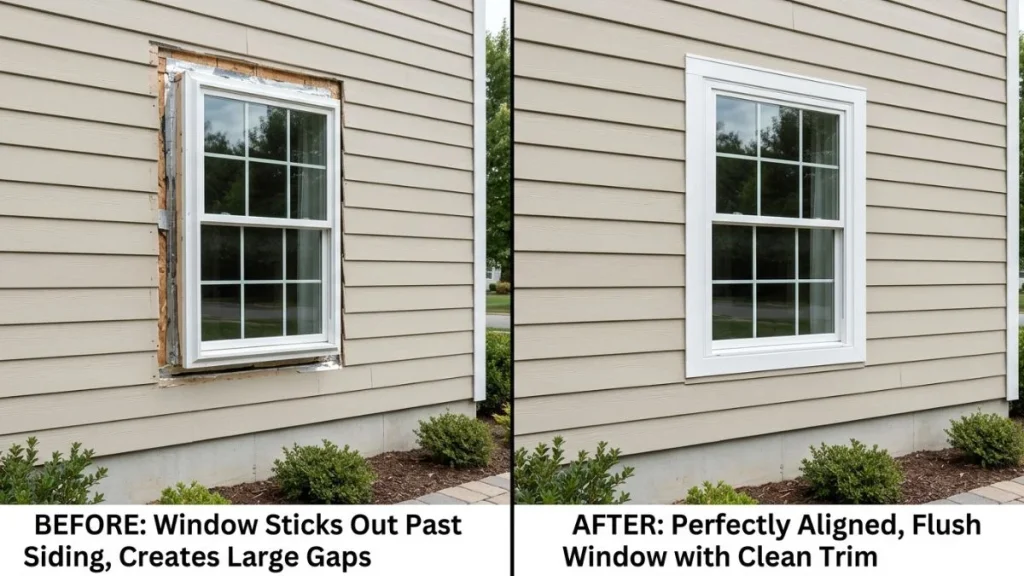
When a window sticks out past the siding, it can cause water leaks, drafts, and an uneven look on your home’s exterior. Fixing this problem improves your home’s appearance and protects it from damage. The process involves careful adjustments to the window frame, siding, and sometimes adding special trim. Each step helps create a smooth, flush finish that keeps your home safe and looking neat.
Adjusting Window Frame
Start by checking the window frame alignment. A window that sticks out often means the frame is not properly seated or installed. Adjusting the frame can bring the window back flush with the siding.
- Remove interior trim: Carefully take off the trim around the window inside to access the frame.
- Loosen screws or nails: Find the fasteners holding the frame and loosen them slightly to allow movement.
- Shift the frame: Push or pull the window frame so it aligns with the siding’s plane.
- Check for level: Use a level to ensure the window sits evenly horizontally and vertically.
- Tighten fasteners: Secure the frame in the new position once aligned.
Sometimes, shims are needed to fill gaps behind the frame and keep it stable. Use weather-resistant shims to avoid future damage. Properly adjusting the frame prevents drafts and water from entering around the window.
Reinstalling Siding
After adjusting the window frame, the siding must be reinstalled to fit flush with the window edge. This step helps to create a clean finish and keeps moisture out.
Follow these steps for reinstalling siding:
- Remove damaged siding: Take off any siding pieces that overlap or sit awkwardly near the window.
- Trim siding edges: Cut the siding edges straight and to the right length using a saw or utility knife.
- Install flashing: Place flashing tape or metal flashing around the window to direct water away.
- Attach siding: Nail or screw siding panels back in place, keeping a small gap for expansion.
- Seal edges: Apply exterior-grade caulk around window edges to prevent leaks.
Using Extension J-channel
Extension J-channel is a useful trim piece for windows that stick out past siding. It covers the gap between the window and siding while giving a neat, finished look.
Steps to use extension J-channel:
- Measure gap: Find the size of the space between window frame and siding.
- Cut J-channel: Cut the trim pieces to match the window perimeter plus the gap size.
- Attach J-channel: Nail or screw the J-channel to the house sheathing around the window.
- Slide siding inside: Fit the siding panels into the channel for a clean edge.
- Seal joints: Use exterior caulk to seal the top and bottom corners of the J-channel.
Using extension J-channel helps:
- Cover uneven edges between window and siding
- Allow siding to expand and contract safely
- Prevent water from seeping behind siding
- Improve the home’s exterior appearance
Extension J-channel comes in vinyl and metal. Choose a material matching your siding for best results. Proper installation keeps your window protected and your siding looking seamless.
Material Choices And Their Impact
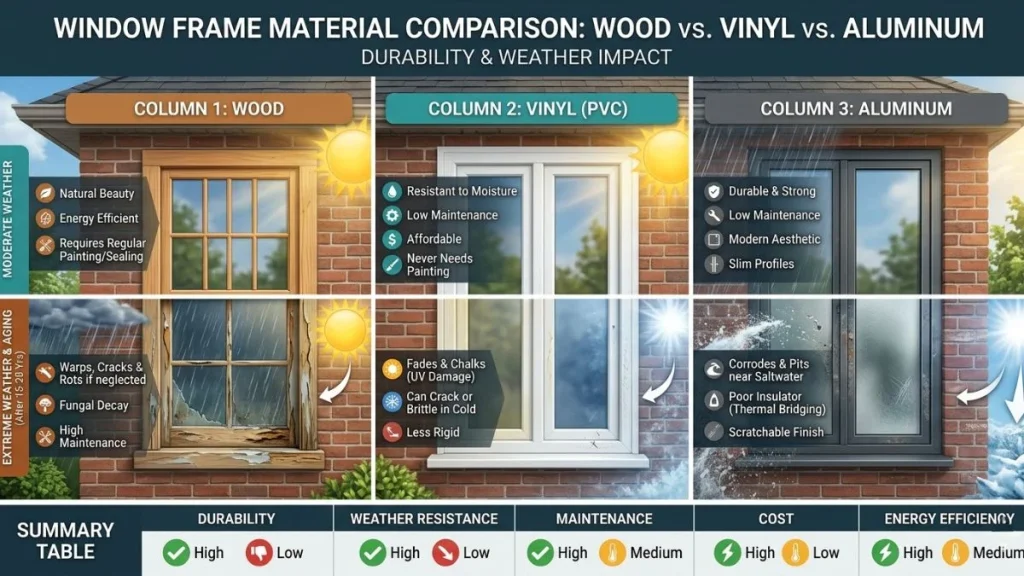
The choice of materials affects how a window that sticks out past siding looks and performs. It influences durability, weather protection, and overall style. Selecting the right siding and trim helps prevent water damage and keeps the home energy-efficient. Each material offers benefits and challenges that impact installation and maintenance. Knowing these differences guides better decisions for your home’s exterior.
Vinyl Vs. Wood Siding
Vinyl siding is popular for its low cost and easy upkeep. It resists moisture and does not rot. Vinyl panels come in many colors and styles, making it easy to match window designs. It also expands and contracts with temperature changes, which requires careful installation around windows that stick out.
Wood siding offers a natural, warm look. It can be painted or stained to suit any style. Wood is strong but needs regular maintenance to avoid rot, insects, and warping. Proper sealing around windows is essential to prevent water damage.
| Feature | Vinyl Siding | Wood Siding |
| Cost | Low | High |
| Maintenance | Low | High |
| Durability | Good | Excellent (with care) |
| Appearance | Plastic-like | Natural wood grain |
| Installation | Flexible (needs expansion gaps) | Rigid (needs precise cuts) |
Choosing between vinyl and wood siding depends on budget, style preference, and willingness to maintain. Both materials affect how the window trim and flashing work together to protect the home.
Window Trim Options
Window trim frames the window and covers gaps between the window and siding. It adds charm and protects against water intrusion. Trim must fit well around windows that extend past siding to avoid leaks.
Common window trim materials:
- PVC Trim: Water-resistant and low maintenance. It does not rot and can mimic wood grain.
- Wood Trim: Classic look but requires regular painting and sealing.
- Composite Trim: Made from wood fibers and plastic. Durable and stable against weather.
- Aluminum Trim: Strong and lightweight, but can dent and may conduct heat.
Good trim installation involves:
- Cutting trim pieces to fit the window shape.
- Leaving space for siding expansion.
- Sealing joints with caulk or sealant.
- Painting or finishing to protect the material.
Trim style and material impact the home’s curb appeal and how well it sheds water. Choosing the right trim complements siding and window design.
Flashing And Sealants
Flashing and sealants keep water from entering around windows that stick out past siding. They protect the home’s structure from moisture damage and mold.
Flashing types:
- Metal Flashing: Usually aluminum or galvanized steel. Installed above and below the window to direct water away.
- Self-Adhered Flashing: Sticky membrane that seals gaps and works well with vinyl siding.
- Drip Caps: Installed on top of windows to prevent water from running down the frame.
Sealants: Flexible caulk seals joints between siding, trim, and window frame. It must be weather-resistant and paintable. Common types include silicone, polyurethane, and acrylic latex.
Conclusion
A window that sticks out past siding can cause problems if not handled right. Water may get inside and damage walls or wood. Fixing the issue helps keep your home dry and safe. Proper flashing and sealing protect against leaks.
Read Also: Filling Gaps Around Window Frames
Check your siding and window edges often. Small repairs now save big costs later. Keeping your home strong means paying attention to details like this. A little care goes a long way.