

Have you ever noticed your floor shaking when you walk? It can be unsettling and make you wonder if something is wrong with your home.
You might worry about safety, damage, or hidden problems beneath your feet. Understanding why your floor shakes is the first step to fixing it and bringing peace back to your space. Keep reading to discover the common causes and easy solutions that will help you feel secure and comfortable again.
Causes Of Floor Shaking
Feeling your floor shake when walking can be unsettling and may signal underlying issues. Several factors can make floors unstable or shaky, affecting comfort and safety.
Structural Issues
Structural problems are a common cause of floor shaking. These issues often happen due to weak or damaged support beams, joists, or columns that hold the floor. When these parts are compromised, the floor loses its stability and moves under weight.
Common structural issues include:
- Damaged joists: Cracks, rot, or insect damage can weaken floor joists.
- Improper design: Floors not built to support the expected load can flex and shake.
- Overloaded floors: Heavy furniture or equipment may stress the structure.
Fixing structural issues usually requires a professional. Reinforcing or replacing weak parts can restore floor stability.
Loose Floorboards
Loose floorboards cause floors to shake and make noise when you walk. This problem happens when nails or screws holding boards become weak or fall out. Boards may also shrink or warp over time, creating gaps and movement.
Why floorboards get loose:
- Natural wood shrinkage due to humidity changes
- Wear and tear from heavy foot traffic
- Poor installation or low-quality fasteners
Effects of loose floorboards:
- Boards shift or bounce underfoot
- Creek or popping sounds
- Visible gaps between boards
Subfloor Problems
The subfloor is the layer beneath the floorboards. It supports the entire floor system. Issues with the subfloor cause shaking and unevenness on the floor surface.
Common subfloor problems include:
- Water damage: Moisture can weaken or rot the subfloor materials.
- Warping: Changes in temperature or humidity cause the subfloor to bend.
- Loose attachment: Subfloor panels may come loose from the joists.
Signs of subfloor issues:
- Soft spots when walking
- Cracks or gaps in flooring above
- Unusual floor movement or noise
Foundation Settling
Foundation settling occurs when the ground beneath a building shifts or sinks. This movement affects the entire structure, causing floors to shake or become uneven.
Reasons for foundation settling:
- Soil erosion or poor soil compaction
- Changes in moisture levels underground
- Nearby construction or heavy loads
How settling affects floors:
- Cracks in walls and floors
- Uneven or sloping floors
- Visible gaps between floor and wall
Signs of foundation problems may look like floor shaking but need expert inspection.
Types Of Floors And Their Responses
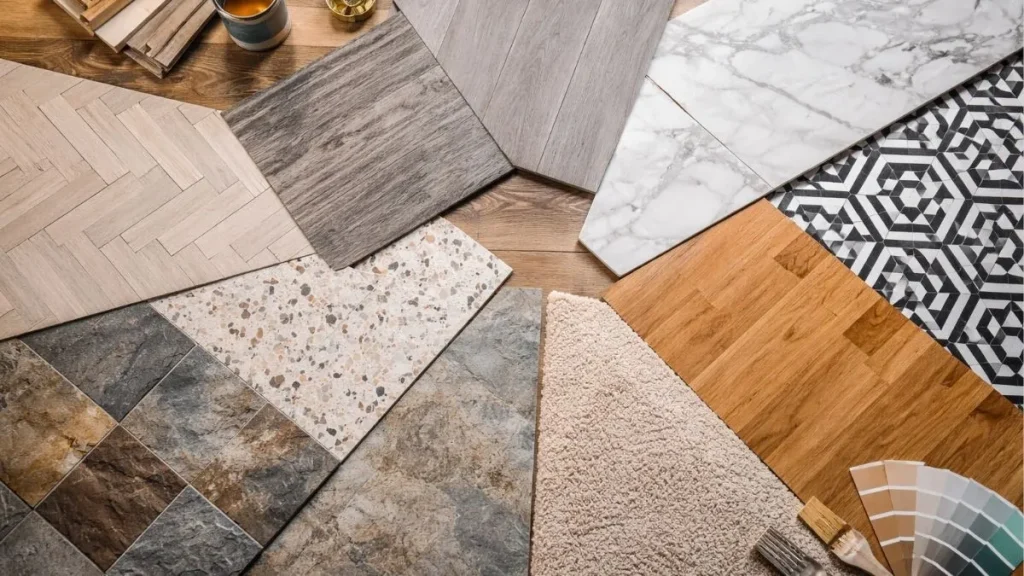
Floor shakes when walking can feel unsettling and may indicate different issues based on the floor type. Each flooring material reacts differently to weight, pressure, and movement.
Wood Floors
Wood floors often show noticeable movement when walked on. This happens because wood is a natural material that can flex and expand.
- Solid hardwood: Can creak and shake if floorboards loosen or if the subfloor is weak.
- Engineered wood: Usually more stable but can still flex if not installed properly.
Common reasons for shaking in wood floors:
- Loose nails or staples
- Gaps between floorboards
- Weak or damaged joists underneath
Wood floors often transmit sound easily. This makes shaking feel stronger. Fixing wood floor shakes often requires checking subfloor support and securing loose boards.
Tile Floors
Tile floors are rigid and hard, so shaking feels different from wood. Tiles themselves do not flex but the floor beneath might.
When tile floors shake, it often means issues below the surface:
- Loose or cracked tiles
- Weak or uneven subfloor
- Poor adhesive or grout failure
Tile floors transmit vibration sharply. Walking causes a quick, hard shake rather than a soft flex. Tiles may crack if the floor shakes too much.
Signs of tile floor shaking:
- Clicking sounds underfoot
- Visible tile movement
- Cracked grout lines
Repair often involves fixing the subfloor and reattaching or replacing loose tiles.
Concrete Floors
Concrete floors are very solid and usually do not shake under normal walking. They absorb weight well and resist flexing.
Shaking on concrete floors can indicate serious problems:
- Structural cracks or damage
- Settling or shifting foundation
- Loose toppings or surface layers
Concrete floors may vibrate slightly from heavy impacts but rarely from regular walking.
Important points about concrete floor shaking:
| Cause | Effect | Action Required |
| Foundation shift | Floor vibration, cracks | Structural inspection |
| Surface layer loose | Localized shaking | Repair or replace topping |
Concrete floor shaking should never be ignored. It might affect building safety.
Laminate Floors
Laminate floors are designed to mimic wood but are made of composite materials. They have a floating installation, meaning they are not nailed down.
This floating design causes laminate floors to move slightly when walked on. The shake is usually mild and feels like a soft bounce.
Reasons for laminate floor shaking include:
- Uneven subfloor
- Improper underlayment
- Loose planks or gaps
Laminate floors can creak or shift if installed over a weak base. Proper underlayment helps reduce shaking and noise.
Identifying The Source
Noticing your floor shakes when walking can be alarming. Identifying the source helps fix the problem early. This process involves careful observation and testing. You can start with simple checks before calling a professional. Knowing what causes the shaking saves time and money.
Visual Inspection
Begin by closely examining the floor and surrounding areas. Look for any visible signs that may cause shaking. This step helps find loose floorboards, cracks, or gaps. Check the following:
- Floorboards: Look for gaps, warping, or lifted edges.
- Subfloor: Inspect any visible parts for damage or rot.
- Support beams: Look under the floor if possible, for cracks or breaks.
- Walls and baseboards: Check for separation or movement signs.
Use a flashlight to see dark corners and under furniture. Tap the floor lightly with a tool to hear hollow sounds. A hollow sound often means weak support below. Note down any problem areas for further investigation.
Listening For Noises
Sounds can reveal hidden problems causing floor shaking. Walk slowly across the floor in different spots. Listen carefully for creaks, squeaks, or thuds. These noises indicate loose or weak parts.
Focus on these sounds:
- Creaking: Usually from loose floorboards or nails.
- Squeaking: Caused by friction between wood pieces.
- Thudding: Could be weak support beams or joists.
Try walking with different shoes or bare feet to notice changes in sound. Quiet shoes may not reveal all noises. Use a wooden stick to tap the floor and listen for hollow spots.
Professional Assessment
Some floor shaking problems need expert evaluation. Professionals can find hidden issues that are hard to spot. They use special tools to check floor strength and stability. Hiring an expert ensures a safe and lasting fix.
What professionals do:
- Structural inspection: Examines beams, joists, and foundation.
- Moisture testing: Detects water damage inside walls or subfloor.
- Load testing: Measures how much weight the floor can hold safely.
- Detailed report: Provides cause and repair options.
They may use tools like moisture meters, infrared cameras, or sound detectors. Early professional assessment prevents bigger problems. It also protects your home’s value and safety.
Safety Concerns
Feeling the floor shake as you walk can be unsettling and raises important safety concerns. Such vibrations might indicate structural issues or external forces affecting the building.
Potential Hazards
Shaking floors can signal various hazards that threaten safety. These include:
- Structural damage: Cracks in floors, walls, or foundations may worsen over time.
- Equipment malfunction: Heavy machines or appliances might cause vibrations if unstable.
- Ground movement: Earthquakes or soil settling can create shaking sensations.
- Nearby construction: Heavy machinery or blasting can transmit vibrations through the ground.
Ignoring these hazards can lead to severe consequences such as:
- Falls or trips due to unstable flooring.
- Collapse of weak structures.
- Damage to electrical wiring or plumbing.
- Injury from falling objects or debris.
Stay alert to unusual shaking and investigate immediately to reduce hazards.
When To Evacuate
Knowing when to leave a building during floor shaking is critical for safety. Evacuate without delay if you notice:
- Strong or increasing vibrations: Sudden stronger shaking may signal serious danger.
- Visible damage: Cracks, sagging floors, or falling debris require immediate exit.
- Unusual noises: Creaking or popping sounds can indicate structural failure.
- Repeated tremors: Continuous shaking shows the problem is worsening.
Follow this quick checklist to decide on evacuation:
- Assess the intensity and frequency of shaking.
- Look for signs of damage or instability.
- Listen for warnings from authorities or alarms.
- Prepare to leave calmly and quickly.
Use marked exits and avoid elevators during evacuation. Assist children, elderly, or disabled persons first. Stay away from glass or heavy furniture that might fall. After evacuation, move to a safe open area until the situation is clear.
Monitoring Changes
Tracking floor shaking over time helps identify risks early. Use these methods to monitor changes:
- Visual inspections: Check floors and walls for new cracks or shifts regularly.
- Record vibrations: Use a smartphone app or vibration sensor for accurate tracking.
- Note timing and triggers: Write down when shaking happens and any nearby activities.
- Report findings: Inform building management or safety officials promptly.
Maintain a simple log like this:
| Date | Time | Duration | Intensity (1-10) | Notes |
| 2024-05-01 | 10:15 AM | 30 seconds | 4 | Near heavy machinery |
| 2024-05-03 | 2:30 PM | 10 seconds | 6 | Floor crack noticed |
Regular monitoring helps detect worsening conditions early. Act quickly if shaking grows stronger or happens more often.
Repair Options
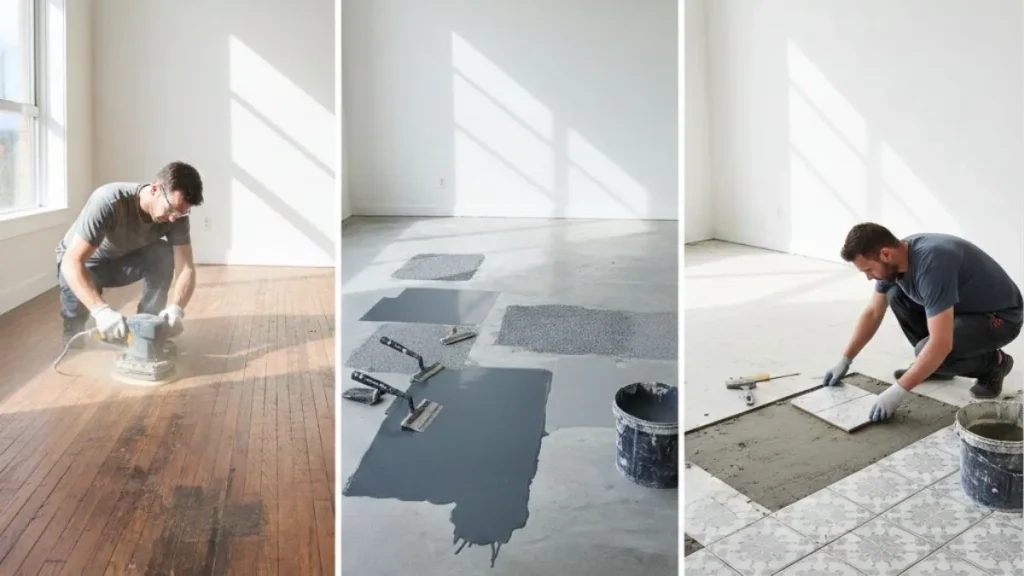
Floor shakes when walking can be unsettling and may signal structural issues. Repair options vary based on the cause and severity. Some fixes are simple and can be done without experts. Others need professional skills and equipment. Choosing the right repair method ensures safety and lasting results.
DIY Fixes
DIY fixes suit minor floor shakes caused by loose boards or small gaps. These repairs save money and time. Basic tools like a hammer, nails, or screws often suffice. Start by identifying the noisy or wobbly spots.
- Tighten loose floorboards: Use finishing nails or screws to secure boards.
- Fill gaps: Apply wood filler or caulk in cracks between boards.
- Add shims: Insert thin wood shims between joists and subfloor to stabilize.
- Check underfloor: Remove access panels to inspect for loose joists or beams.
These simple steps often reduce or stop floor shakes. Use a pry bar carefully to lift boards for shim placement. Avoid over-tightening nails; this can split wood. For added stability, use construction adhesive alongside nails.
Hiring Contractors
Complex floor shakes require skilled contractors. Professionals assess structural damage and recommend strong fixes. They use specialized tools and materials not available to homeowners. Hiring experts ensures safety and code compliance.
Contractors offer:
- Detailed inspections with moisture and structural tests
- Accurate diagnosis of foundation or joist problems
- Access to quality materials like steel beams or epoxy fillers
- Warranty on repairs and professional advice
Costs vary by damage extent and repair type. Expect an estimate before work begins. Licensed contractors provide permits and insurance coverage. Check reviews or ask for references. Good contractors explain each step clearly.
Foundation Repair
Foundation problems cause serious floor shakes. Repairing the foundation stops movement and restores stability. Foundation repair is a major task requiring professionals. They use methods based on damage type and soil condition.
Common foundation repair options include:
- Concrete piers: Support sinking areas by lifting and stabilizing.
- Steel push piers: Drive deep to solid soil for heavy support.
- Slabjacking: Inject grout under slabs to lift uneven floors.
- Crack repair: Seal foundation cracks to prevent water damage.
Foundation repair prevents further structural damage. It improves home safety and value. Expect a detailed evaluation before starting repairs. The process may take days or weeks depending on severity.
Floor Reinforcement
Reinforcing floors strengthens weak areas and reduces shakes. This option adds support without full replacement. Reinforcement works well on older homes or spots with heavy use.
Techniques include:
- Adding support beams: Install steel or wood beams under joists.
- Joist sistering: Attach new joists alongside old ones for extra strength.
- Subfloor overlay: Add a new layer of plywood over existing subfloor.
- Cross bracing: Install braces between joists to prevent twisting.
Reinforcement improves floor stiffness and comfort. It also extends floor life. Most work requires access to crawlspaces or basements. Costs vary with materials and labor.
Cost Considerations
Floor shakes when walking can signal hidden problems with your home’s foundation or structure. These issues often come with repair costs that vary widely. Knowing when to repair, maintain, or renovate saves money and protects your home’s value.
Estimating Repairs
Estimating repair costs starts with identifying the problem’s cause. Common reasons for floor shaking include:
- Loose or damaged floor joists
- Weak foundation or soil settling
- Worn-out subfloor materials
Each cause requires different repair methods and costs. Simple fixes like tightening joists may cost a few hundred dollars. Major foundation repairs can reach several thousand dollars.
Here is a basic cost guide for common repairs:
| Repair Type | Estimated Cost | Time to Complete |
| Tighten or Replace Joists | $300 – $1,000 | 1 – 3 days |
| Subfloor Replacement | $1,000 – $3,000 | 2 – 5 days |
| Foundation Repair | $2,000 – $10,000+ | 1 week or more |
Get a professional inspection to get an accurate estimate. Repair costs can change based on house size, damage extent, and local labor rates. Always budget a little extra for unexpected issues.
Budgeting For Maintenance
Regular maintenance reduces the chance of floor shaking. Setting a budget for upkeep is smart. It helps catch problems early and spreads costs over time.
Key maintenance tasks include:
- Checking floor joists for movement or damage
- Inspecting the foundation for cracks or shifts
- Ensuring proper drainage around the house
- Replacing worn or damaged flooring materials
Typical annual maintenance costs range from $200 to $800, depending on home size and condition. Here is a sample budget plan:
| Maintenance Task | Frequency | Estimated Cost |
| Floor Joist Inspection | Once a year | $100 – $300 |
| Foundation Check | Every 2 years | $200 – $500 |
| Minor Repairs | As needed | $100 – $500 |
Maintaining your floors prevents costly repairs later. Set aside funds every year to keep the structure sound.
You May Read Also: How to Fix Hollow Spots under Vinyl Plank Flooring
Conclusion
Floor shakes when walking can signal structural problems. Check the floor’s support and foundation first. Fixing the issue early saves money and stress. A safe, steady floor makes your home comfortable. Don’t ignore the shaking or wait too long. Call a professional if unsure about the cause.
Small steps today prevent bigger problems later. Keep your home stable and secure for years.