

Have you noticed a crack running lengthwise along your floor joist? This might seem like a small issue, but it can lead to serious problems if ignored.
Your home’s stability depends heavily on these beams, and a cracked joist could mean hidden damage or future risks. You’ll learn why floor joists crack, how to spot the warning signs, and what steps you can take to protect your home before the problem gets worse.
Identifying Cracks In Floor Joists
Cracks in floor joists can weaken a building’s structure and cause safety problems. Identifying cracks early helps prevent bigger damage and costly repairs. Floor joists cracked lengthwise often show signs that are visible with a careful check. Spotting these cracks requires attention to detail and understanding what to look for.
Visual Inspection Tips
Start with a clear view of the joists by removing any floor coverings or insulation blocking your sight. Use a bright flashlight to examine the wood carefully. Look along the length of each joist for thin, straight lines that run parallel to the grain of the wood. These lines may be hairline cracks or deeper splits.
- Check both sides: Inspect the top and bottom surfaces as well as the sides of the joists.
- Look for discoloration: Darker streaks or water stains can hide cracks.
- Note any sagging: Joists that sag may have hidden cracks causing weakness.
Use a ladder or crawl under the floor to get a better view. Mark any suspicious cracks with chalk or tape for further evaluation. Avoid touching the cracks too much, as this might worsen the damage.
Signs Of Structural Weakness
Cracks lengthwise in floor joists often show signs of structural weakness. These signs warn of possible danger and help decide if professional help is needed. Common signs include:
- Floor creaking or bouncing: Movement can mean the joists are not stable.
- Uneven floors: Slopes or dips may result from cracked joists.
- Visible splits: Large cracks that open up when pressure is applied.
- Separation from support beams: Gaps where joists meet walls or beams.
Risks Of Ignoring Cracks
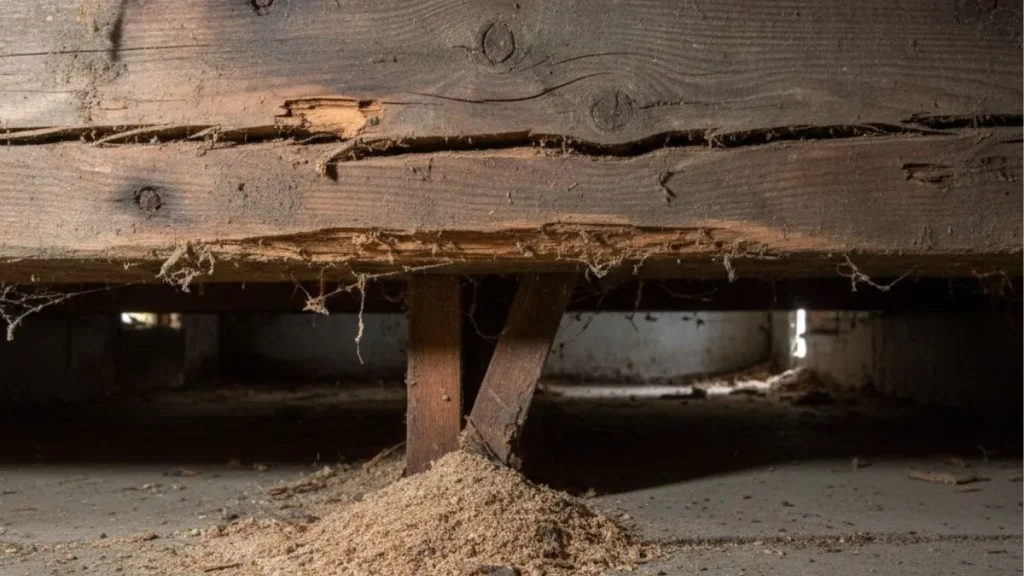
Floor joists are key parts of a building’s structure. They support the floors above and keep everything stable. When a floor joist cracks lengthwise, it may seem small at first. But ignoring these cracks can cause serious problems. Cracks weaken the joist and risk the whole floor’s safety.
Safety Hazards
Cracked floor joists create several safety risks. The main danger is the possibility of a floor collapse. A cracked joist cannot carry the same weight as a healthy one. Over time, the crack can grow, making the joist weaker.
Signs of safety hazards include:
- Uneven or sagging floors that feel soft underfoot
- Creaking sounds when walking on the floor
- Visible cracks that widen over time
Ignoring these signs can lead to accidents, like falls or injuries. It can also put stress on other parts of the building. This stress can cause additional cracks or damage in walls, ceilings, or beams. The risk is not just to property but to the people living inside.
Potential For Further Damage
Ignoring cracks in floor joists leads to bigger problems. Small cracks often grow into larger splits. Water, pests, and changing temperatures can make damage worse.
Here are the common effects of ignoring joist cracks:
- Water Damage: Moisture seeps into cracks causing wood to rot.
- Pest Infestation: Termites and other insects enter through splits.
- Warping: Wood bends or twists due to weakness.
These issues reduce the joist’s strength even more. Repair costs rise sharply if damage spreads. Fixing a small crack is cheaper and easier than replacing a large damaged joist.
Impact On Property Value
Cracked floor joists hurt a home’s value. Buyers see cracks as a sign of poor maintenance and possible future costs. This lowers buyer confidence and makes selling harder.
Effects on property value include:
- Lower appraisal value: Inspectors note structural issues.
- Higher repair costs: Buyers expect to spend money fixing cracks.
- Reduced market appeal: Many avoid homes with structural damage.
Real estate agents and inspectors often list cracked joists as defects. This can delay sales or force price reductions. Maintaining strong, crack-free joists protects investment and helps keep your home’s value high.
Repair Options For Cracked Joists
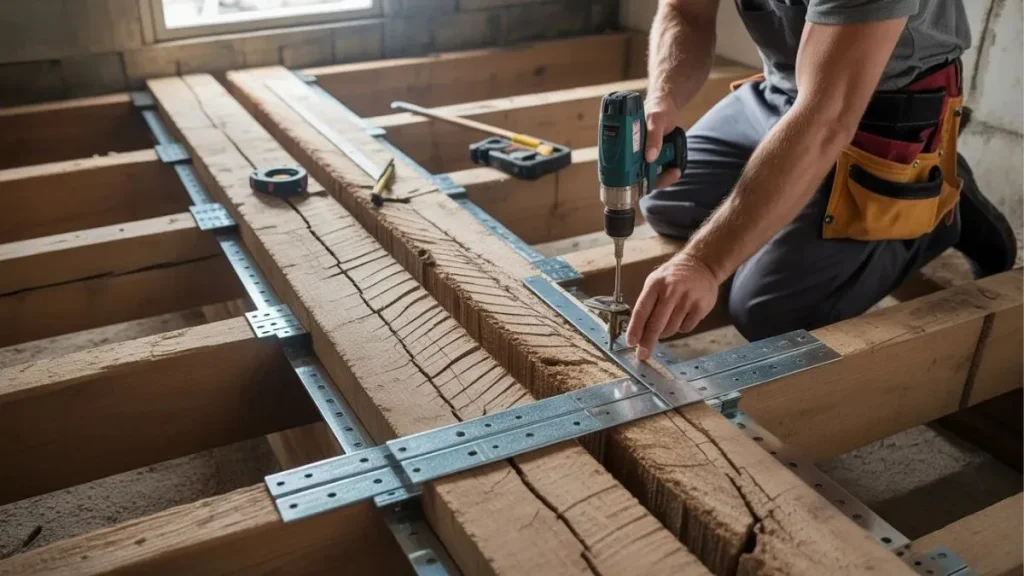
Cracks in floor joists can weaken your home’s structure and cause uneven floors. Repairing cracked joists quickly keeps your home safe and stable. Several methods fix joists cracked lengthwise, depending on the crack size and damage. Choosing the right repair option saves money and avoids bigger problems later. Below are common repair options for cracked joists that work well for many homeowners.
Sistering Method
The sistering method is a popular way to repair cracked joists. It involves attaching a new, strong joist next to the damaged one. This new joist supports the old one, sharing the load and stopping further damage.
Steps for Sistering Joists:
- Measure the damaged joist length to cut a matching sister joist.
- Use a strong, quality lumber piece, same thickness and height as the original.
- Clean the cracked joist surface to remove dust and debris.
- Apply wood glue or construction adhesive between the joists.
- Secure the sister joist with screws or nails every 12-16 inches.
- Check for level and alignment before final tightening.
Epoxy And Wood Filler
Epoxy and wood filler repairs fix smaller cracks or splits in floor joists. This method fills gaps and bonds the wood back together. It works best on cracks less than a quarter inch wide that do not affect joist strength much.
How to Use Epoxy and Wood Filler:
- Clean the cracked area thoroughly of dust and loose wood.
- Mix the epoxy resin and hardener as per instructions.
- Apply epoxy deep into the crack using a putty knife or brush.
- Fill any remaining gaps with wood filler for a smooth finish.
- Allow the epoxy to cure fully, usually 24 hours.
- Sand the surface if needed for a level finish.
This repair restores the joist’s surface and prevents moisture from entering cracks. Epoxy bonds wood strongly and resists future splitting. It also improves the joist’s appearance after repair.
| When to Use | When Not to Use |
| Small surface cracks under 1/4 inch | Cracks affecting joist’s structural integrity |
| Non-load bearing joists | Large splits or missing wood pieces |
| Dry wood with no rot | Joists with severe water damage |
Replacement Strategies
Replacing a cracked joist is the most thorough repair option. This is necessary when cracks are large or the joist is badly damaged. Replacement removes the weak joist and installs a new one in its place.
Replacement Process:
- Support the floor above with temporary jacks or beams.
- Cut out the damaged joist carefully using a saw.
- Measure and cut a new joist to the exact length.
- Install the new joist, securing it to the existing framework.
- Remove temporary supports once the new joist is stable.
This method restores full strength and safety to the floor. It is best for severe cracks or when sistering is not possible. Replacement is more labor-intensive and costly but ensures long-term stability.
Read Also: Splicing a Floor Joist
Conclusion
Cracked floor joists need quick attention to keep your home safe. Ignoring cracks can cause bigger problems and costly repairs. Check joists often for any signs of damage or wear. Fix small cracks early to stop them from growing. Strong joists support your floors and keep everything steady.
Remember, regular care helps your house stay solid and secure. Don’t wait until cracks get worse—act today to protect your home. Simple steps now save time and money later.