

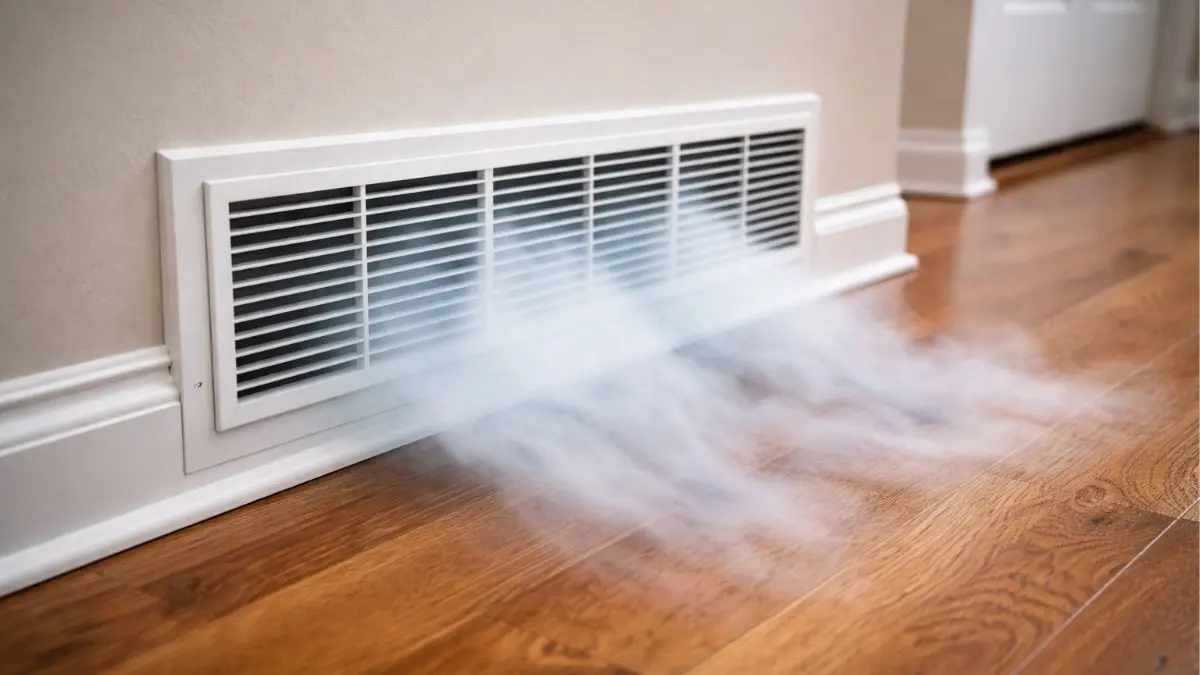
Have you ever noticed cold air blowing out of your return vent and wondered why it’s happening? It can feel confusing and even uncomfortable when the air coming back into your HVAC system isn’t what you expect.
This issue might be more common than you think, and understanding what causes it can save you from higher energy bills and unnecessary repairs. Keep reading to discover the simple reasons behind this problem and how you can fix it quickly to keep your home comfortable all year round.
Causes Of Cold Air From Return Vent
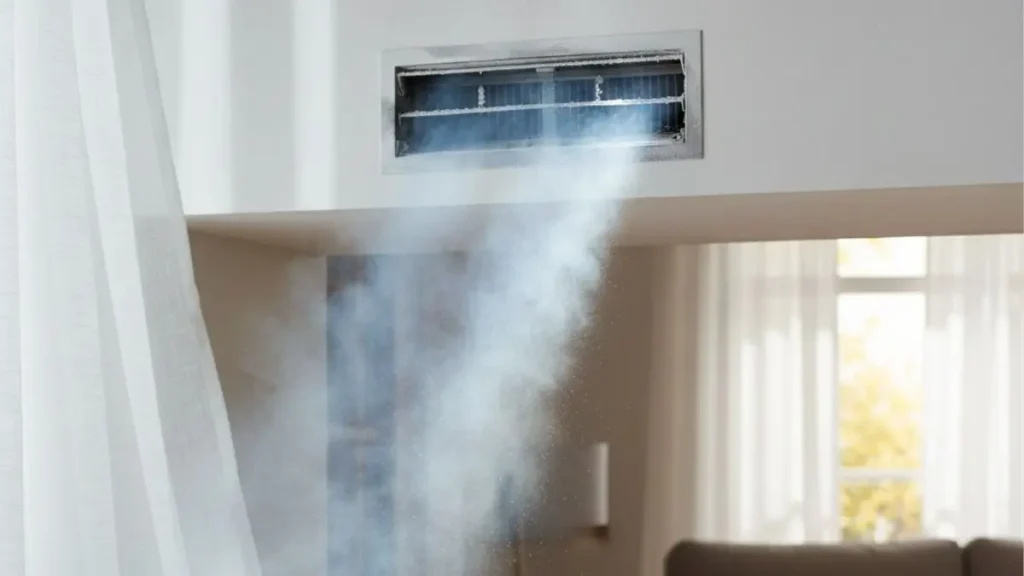
Cold air blowing out of the return vent can cause discomfort and reduce your HVAC system’s efficiency. Common issues include duct leaks, poor vent placement, weak insulation, and system imbalances. Each factor affects airflow and temperature in different ways.
Leaky Ductwork
Leaky ductwork is a frequent cause of cold air entering the return vent. Over time, ducts can develop holes, cracks, or loose connections. These leaks allow warm air to escape or cold air from unconditioned spaces to enter the system.
Signs of leaky ducts:
- Uneven temperatures in rooms
- Higher energy bills
- Reduced airflow from vents
- Cold air blowing from return vents
Leaky ducts reduce system efficiency by losing heated air. Cold air from the attic, basement, or crawl space can enter through these leaks, cooling the return air stream.
| Cause | Effect on HVAC | Solution |
| Holes or cracks in ducts | Cold air enters; warm air escapes | Seal ducts with mastic or metal tape |
| Loose duct connections | Air leaks reduce pressure | Tighten or reconnect duct joints |
Improper Vent Placement
Vent placement affects airflow and temperature balance. Return vents placed near cold areas or drafty walls can pull in chilly air. Poor placement causes uneven heating and cold air blowing out of returns.
Common placement issues include:
- Return vents located near exterior walls
- Vents placed in basements or unheated rooms
- Returns too close to windows or doors
These locations expose the return air to lower temperatures. The HVAC system then sucks in cold air, sending it back into the home. Proper vent placement should allow for consistent room temperature and good airflow.
Insufficient Insulation
Insufficient insulation around ductwork or walls causes cold air problems. Without proper insulation, ducts lose heat to surrounding cold spaces. This cools the air inside ducts and return vents.
Where insulation matters most:
- Ducts running through attics or crawl spaces
- Walls near return vents
- Areas exposed to outdoor temperatures
Poor insulation lets warm air escape and cold air seep in. This lowers the air temperature in return vents and reduces heating efficiency.
| Insulation Area | Effect of Poor Insulation | Recommended R-Value |
| Ductwork in attic | Air cools before reaching rooms | R-8 to R-12 |
| Walls near vents | Cold air infiltrates return vents | R-13 or higher |
HVAC System Imbalance
An HVAC system imbalance causes pressure and airflow problems. If supply and return airflows are not balanced, cold air can blow from return vents.
Symptoms of imbalance:
- Some rooms feel colder or hotter than others
- Return vents blow cold air instead of warm
- Unusual noises from ducts or vents
Imbalance can happen due to:
- Blocked or closed supply vents
- Incorrectly sized ductwork
- Dirty air filters
Balancing involves adjusting dampers, cleaning filters, and ensuring vents remain open. This restores proper airflow and prevents cold air from returning vents.
Impact On Home Comfort
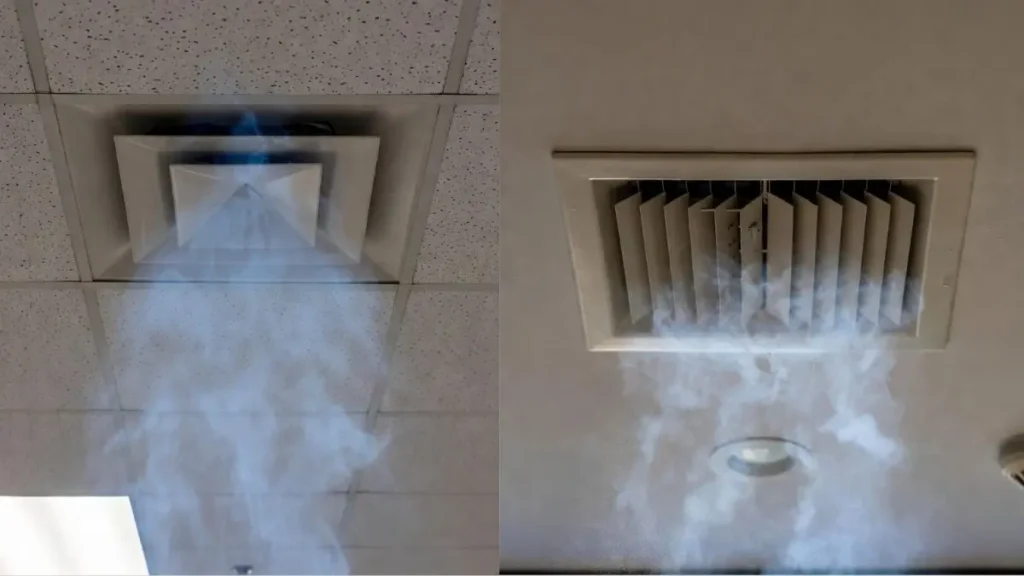
Cold air blowing out of a return vent can disrupt the overall comfort of your home. This issue affects how evenly heat or cool air spreads throughout your rooms. When the return vent sends out cold air, it changes the balance of temperature inside your living spaces. This leads to discomfort and makes it hard to keep your home warm in winter or cool in summer.
Uneven Room Temperatures
Uneven room temperatures occur when some areas feel colder or warmer than others. Cold air blowing from the return vent creates hot and cold spots, making rooms uncomfortable. You might notice that rooms near the vent feel chilly while others remain warm. This can cause frustration and force you to adjust your thermostat frequently.
Common signs of uneven temperatures include:
- Cold drafts near the return vent
- Warm areas far from the vent
- Difficulty maintaining a steady temperature
Increased Energy Bills
Cold air from the return vent forces your heating or cooling system to work harder. Your HVAC system tries to reach the set temperature but struggles because cold air interferes with normal airflow. This extra effort uses more energy, raising your monthly bills.
Energy waste happens in several ways:
- System runs longer cycles to adjust temperature
- More electricity or gas consumption
- Frequent on-and-off switching reduces efficiency
Here is a breakdown of how cold air affects energy use:
| Cause | Effect on Energy |
| Cold air disrupts thermostat reading | System runs longer than needed |
| Uneven temperature zones | Wasted energy heating or cooling unbalanced areas |
| Frequent HVAC cycling | More power used, higher costs |
Keeping the return vent free of cold air helps lower energy bills. A well-balanced system uses less power and saves money over time.
Reduced HVAC Efficiency
HVAC efficiency drops when cold air blows out of the return vent. The system cannot maintain airflow properly, which leads to strain and wear. Your equipment works under stress, reducing its lifespan and performance.
Effects on HVAC efficiency include:
- Uneven pressure in the ducts
- Increased mechanical wear and tear
- Higher chances of breakdowns and repairs
Here is a list of signs showing reduced HVAC efficiency:
- Longer time to heat or cool rooms
- Unusual noises from the system
- Unexpected shutdowns or errors
Maintaining proper airflow and fixing cold air leaks improves HVAC efficiency. Your system lasts longer, works better, and keeps your home comfortable.
Diagnosing The Problem
Cold air blowing out of a return vent signals an issue in your home’s HVAC system. Diagnosing the problem quickly helps avoid discomfort and higher energy bills.
Checking Airflow Patterns
Start by observing how air moves through your vents. Proper airflow means warm air enters supply vents and cooler air returns through return vents. Cold air blowing out the return vent suggests reversed flow or leaks.
- Use your hand or a small piece of tissue near each vent to feel airflow direction and strength.
- Note any vents with weak or no airflow.
- Listen for unusual noises like whistling or rattling, which may show blockages or leaks.
Track airflow patterns room by room. Rooms farthest from the HVAC unit often have weaker airflow. Compare supply and return vents to spot imbalances. These issues can cause cold air to push back through return vents.
Inspecting Duct Seals
Leaks in ductwork often cause cold air to blow out of return vents. Seals can wear out or break, letting outside air enter or conditioned air escape. Inspecting these seals helps find hidden problems.
Steps to inspect duct seals:
- Turn off the HVAC system.
- Open accessible duct panels.
- Look for visible gaps, cracks, or disconnected joints.
- Check for dust buildup near joints, a sign of leaks.
- Use smoke or incense sticks near seams to detect air movement.
Seal small leaks with mastic sealant or metal foil tape. Avoid using regular duct tape, as it deteriorates quickly.
Using Thermal Cameras
Thermal cameras reveal temperature differences along ductwork and vents. These devices show cold spots where air leaks or insulation problems exist.
To use a thermal camera:
- Scan ducts and vents during HVAC operation.
- Look for blue or purple areas indicating cold air escaping.
- Compare thermal images before and after repairs.
Thermal cameras are especially helpful in large or hard-to-access duct systems. Renting or hiring a professional with this tool saves time and improves accuracy.
Professional HVAC Assessment
Some problems require expert knowledge and equipment. A professional HVAC technician can diagnose complex airflow or system issues causing cold air at return vents.
During an assessment, technicians may:
- Perform detailed airflow measurements
- Inspect ductwork with cameras and sensors
- Check system components like dampers and filters
- Test for pressure imbalances and airflow restrictions
Professionals recommend repairs or upgrades based on findings. Their expertise ensures safe and effective solutions. Booking an HVAC assessment prevents small issues from becoming costly repairs.
Solutions To Fix Cold Air Return Vents
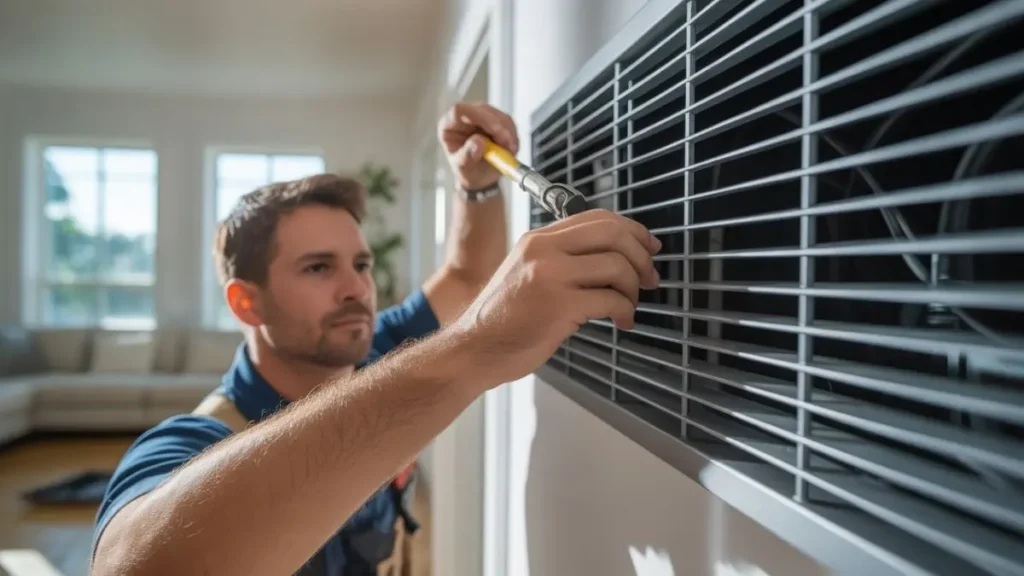
Cold air blowing out of return vents can cause discomfort and reduce your home’s heating efficiency. This problem often signals an issue with your HVAC system or ductwork. Finding the right solutions to fix cold air return vents improves indoor comfort and lowers energy costs. Below are practical steps to address this common issue effectively.
Sealing And Insulating Ducts
Leaky or poorly insulated ducts let cold air escape before reaching your furnace. This causes cold air to blow out of return vents instead of warm air circulating properly. Sealing and insulating ducts helps keep air temperature steady and improves system efficiency.
Common sealing methods include:
- Using mastic sealant or metal tape on duct joints
- Applying spray foam insulation in hard-to-reach gaps
- Replacing old, damaged duct sections
Insulating ducts is especially important in unheated areas like basements or attics. Use duct insulation sleeves or wrap ducts with fiberglass insulation. This prevents heat loss and reduces cold air leaks.
| Sealing Method | Benefits |
| Mastic Sealant | Long-lasting, airtight seal on duct joints |
| Metal Foil Tape | Quick fix for minor leaks, easy to apply |
| Spray Foam | Fills gaps and hard-to-reach areas effectively |
Proper sealing and insulation reduce cold air leaks significantly. This step is essential before checking other HVAC components.
Adjusting Vent Placement
Improper vent placement can cause cold air to blow back into rooms through return vents. Return vents should be placed away from cold surfaces like exterior walls or windows.
Ways to improve vent placement:
- Move return vents to interior walls for warmer air intake.
- Ensure vents are not blocked by furniture or curtains.
- Install vent covers or deflectors to guide airflow correctly.
Use vent placement to promote smooth air circulation. Position supply vents near windows and return vents near room centers. This balances temperature and prevents cold drafts.
Balancing Airflow
Uneven airflow causes some vents to blow cold air while others blow warm. Balancing airflow ensures the HVAC system distributes air evenly throughout your home.
Steps to balance airflow:
- Check for closed or blocked supply vents.
- Adjust dampers inside ducts to regulate airflow.
- Use an airflow meter or hire a professional for precise balancing.
Balanced airflow prevents pressure buildup in ducts, which causes cold air to escape return vents. It also improves system efficiency and indoor air quality.
| Action | Effect on Airflow |
| Opening all supply vents | Allows consistent air distribution |
| Adjusting dampers | Controls airflow to specific rooms |
| Removing obstructions | Prevents airflow blockages |
Proper airflow balance reduces cold air issues at return vents. This keeps your home warmer and your HVAC system running smoothly.
Upgrading HVAC Components
Older HVAC systems or worn components can cause cold air at return vents. Upgrading key parts improves system performance and air temperature control.
Consider upgrading:
- Air handler: A new unit moves air more efficiently through ducts.
- Thermostat: Programmable thermostats control temperatures better.
- Dampers: Automatic dampers adjust airflow to match room needs.
- Filters: High-efficiency filters improve airflow and air quality.
Newer systems often include better insulation and sealing in duct design. This reduces cold air leaks and increases comfort.
Here is a comparison of old vs. upgraded HVAC features:
| Feature | Old System | Upgraded System |
| Air Handler | Less efficient, noisy | Quiet, energy-saving |
| Thermostat | Manual controls | Programmable, smart controls |
| Dampers | Manual, fixed position | Automatic, adjustable |
| Filters | Basic filtration | High-efficiency filters |
Upgrading HVAC components ensures better control over air temperature. It prevents cold air from blowing through return vents and improves overall home comfort.
Recommended Read: How to Stop Cold Air From Vents
Conclusion
Cold air blowing from a return vent can signal a problem. Check your vents and filters often. Clean or replace dirty filters to help airflow. Make sure vents are open and not blocked. Sealing leaks in ductwork keeps air moving properly.
Regular maintenance keeps your system working well. Catching issues early saves money and discomfort. Stay alert to your HVAC system’s sounds and airflow. Proper care helps keep your home warm and cozy. Simple steps can fix cold air problems fast.


