

Are you thinking about using MDF in your bathroom but aren’t sure if it’s a good idea? Bathrooms are tricky spaces with lots of moisture and humidity.
Choosing the right materials can make a big difference in how long your cabinets, shelves, or trim last. If you want a smooth, affordable option that looks great but also stands up to the bathroom’s challenges, you need to know exactly what MDF can and can’t do.
Suitability Of MDF In Bathrooms
Choosing the right material for a bathroom is important due to the space’s high moisture levels. MDF (Medium-Density Fiberboard) is popular for many indoor projects, but its suitability for bathrooms raises questions. Bathrooms need materials that resist water and humidity well.
Properties Of MDF
MDF is made from wood fibers glued under heat and pressure. This process creates a smooth, dense panel with no grain. Key properties of MDF include:
- Smooth Surface: Ideal for painting and laminating.
- Uniform Density: Ensures no knots or voids, making it easy to cut and shape.
- Affordable: Cheaper than solid wood and plywood.
- Stable: Does not warp easily in dry environments.
MDF is also easy to work with, suitable for shelves, cabinets, and furniture. It holds screws and nails well but may swell if exposed to water. The surface can be finished with paint or laminate to protect against wear.
| Property | Description | Benefit |
| Density | Medium to high density, smooth | Easy to cut and paint |
| Surface | Flat and smooth, no grain | Perfect for finishes |
| Strength | Strong but less than plywood | Good for furniture but not heavy load |
| Cost | Low compared to solid wood | Budget-friendly |
Moisture Sensitivity
MDF is sensitive to moisture and water. Wood fibers absorb water, causing the material to swell and lose strength. This makes MDF risky for bathrooms unless properly treated. Some MDF types have moisture-resistant coatings, but they are not fully waterproof.
Signs of moisture damage in MDF include:
- Swelling or warping
- Soft or crumbly edges
- Peeling paint or laminate
Comparing Mdf With Other Materials
Other materials commonly used in bathrooms include plywood, solid wood, PVC, and particleboard. Each has pros and cons compared to MDF. The following table summarizes their suitability:
| Material | Moisture Resistance | Durability in Bathroom | Cost | Ease of Finishing |
| MDF | Low (unless treated) | Moderate | Low | High (smooth surface) |
| Plywood | Moderate to High | High | Medium | Moderate |
| Solid Wood | Low to Moderate | Moderate | High | High |
| PVC | High | Very High | Medium | Low |
| Particleboard | Very Low | Low | Very Low | Low |
Plywood offers better moisture resistance than MDF and holds up well in bathrooms. Solid wood can warp if not sealed properly. PVC is waterproof and very durable but harder to finish with paint. Particleboard has poor moisture resistance and is not recommended for bathrooms.
MDF works best where moisture is low or controlled. Using it in wet zones risks damage and reduced lifespan. Choose materials carefully based on the bathroom’s moisture level and intended use.
Types Of MDF for Bathroom Use
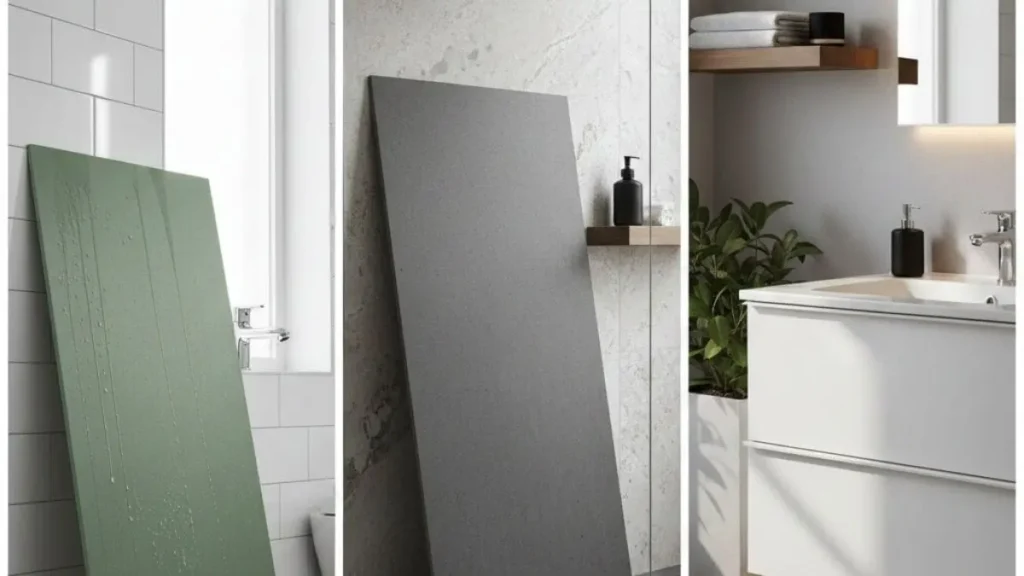
Using MDF in a bathroom requires careful choice of the right type. Bathrooms have high humidity and frequent water splashes. Regular MDF absorbs moisture and swells quickly. Choosing a suitable MDF type can protect your bathroom fixtures and furniture. Types of MDF for bathroom use vary by their moisture resistance and durability.
Moisture-resistant MDF
Moisture-resistant MDF is specially treated to withstand damp conditions. It contains water-repellent resins and sometimes wax to reduce water absorption. This makes it a popular choice for bathroom cabinets, shelves, and wall panels. It resists warping, swelling, and fungal growth better than standard MDF.
Key features of moisture-resistant MDF:
- Lower water absorption rate
- Enhanced durability in humid areas
- Improved resistance to mold and mildew
- Compatible with paints and laminates
Exterior Grade MDF
Exterior grade MDF is made with special adhesives and treatments for outdoor use. It tolerates continuous exposure to moisture and water. This type is ideal for bathrooms with heavy water contact, such as under sinks or near showers.
Features of exterior grade MDF include:
- Strong waterproof resins
- High resistance to swelling and cracking
- Long lifespan in wet conditions
- Can be painted or laminated
Exterior grade MDF costs more than moisture-resistant types but offers better protection. Use it where water splash or leaks are common. It holds screws and nails well and keeps smooth edges despite wet conditions.
Preparation And Treatment
Using MDF in a bathroom requires careful preparation and treatment to protect it from moisture damage. MDF is a popular wood product but is vulnerable to water and humidity. Proper steps can extend its life in damp spaces like bathrooms.
Sealing And Priming
Sealing and priming MDF is the first defense against moisture. MDF absorbs water easily because of its porous surface. Applying a good sealant closes the pores and stops water from soaking in. Priming adds an extra layer of protection and helps paint stick better.
Follow these steps for effective sealing and priming:
- Sand the surface lightly to create a smooth base.
- Apply a quality wood sealer with a brush or roller. Use one designed for MDF or interior wood.
- Let the sealer dry completely according to the product’s instructions.
- Use a primer suitable for bathrooms. Oil-based or shellac primers work well for moisture resistance.
- Apply two coats of primer for full coverage.
- Sand lightly between coats to keep the surface smooth.
Proper sealing and priming form a strong base for further protection. Without this, MDF will soak water quickly and get damaged.
Waterproof Coatings
Waterproof coatings add a crucial layer of defense against bathroom humidity. They create a barrier that stops water from reaching MDF, preventing swelling and rot. Using waterproof paint or varnish designed for wet areas extends the MDF’s lifespan.
Choose from these types of waterproof coatings:
- Polyurethane varnish: Durable and water-resistant, ideal for bathroom MDF.
- Epoxy coatings: Forms a thick, waterproof shell but requires careful application.
- Waterproof bathroom paint: Specially made to handle steam and splashes.
Proper Ventilation Importance
Ventilation plays a key role in protecting MDF in bathrooms. Good airflow reduces humidity levels and dries moisture quickly. Without ventilation, steam and water vapor linger, causing MDF to absorb moisture even if sealed.
Ways to improve bathroom ventilation:
- Install an exhaust fan to remove humid air.
- Use windows to allow fresh air in and moist air out.
- Keep doors open after showers to help drying.
- Use a dehumidifier if natural ventilation is poor.
Benefits of proper ventilation include:
- Prevents mold and mildew growth on MDF surfaces.
- Reduces risk of warping and swelling.
- Improves indoor air quality.
- Extends lifespan of bathroom materials.
Check that exhaust fans are powerful enough for your bathroom size. A fan with an airflow rating of 50-100 CFM suits most bathrooms. Clean and maintain fans regularly to keep them effective.
Proper ventilation works with sealing and coatings to protect MDF from moisture damage. It lowers humidity and keeps the bathroom dry, preserving MDF’s structure and appearance.
Common Applications Of MDF in Bathrooms
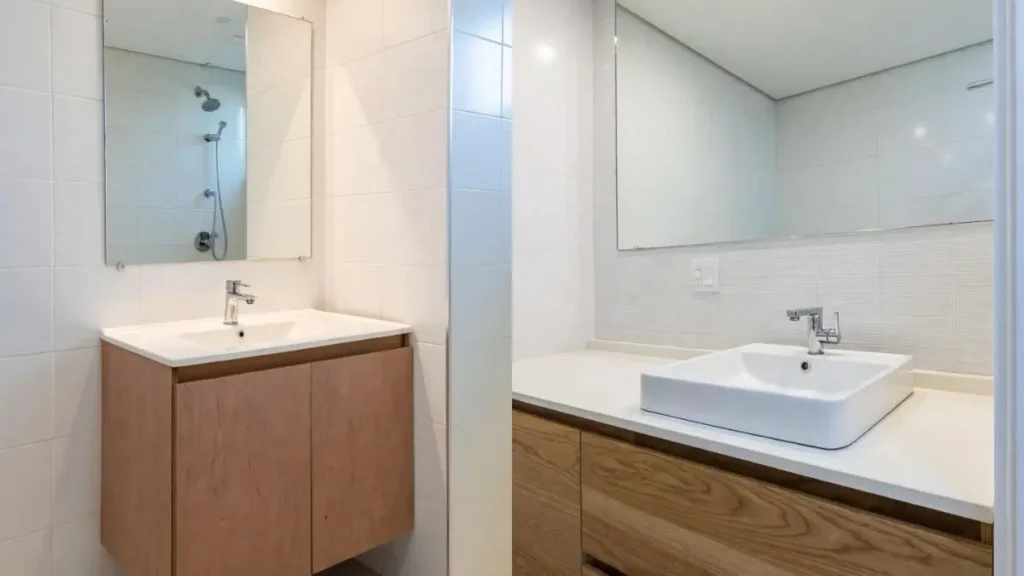
MDF, or Medium-Density Fiberboard, is a popular material for many home projects. Its smooth surface and easy workability make it a favorite for bathroom interiors. Bathrooms have unique needs due to moisture and humidity. Still, MDF can be used effectively with proper treatment and finishes.
Vanity Units
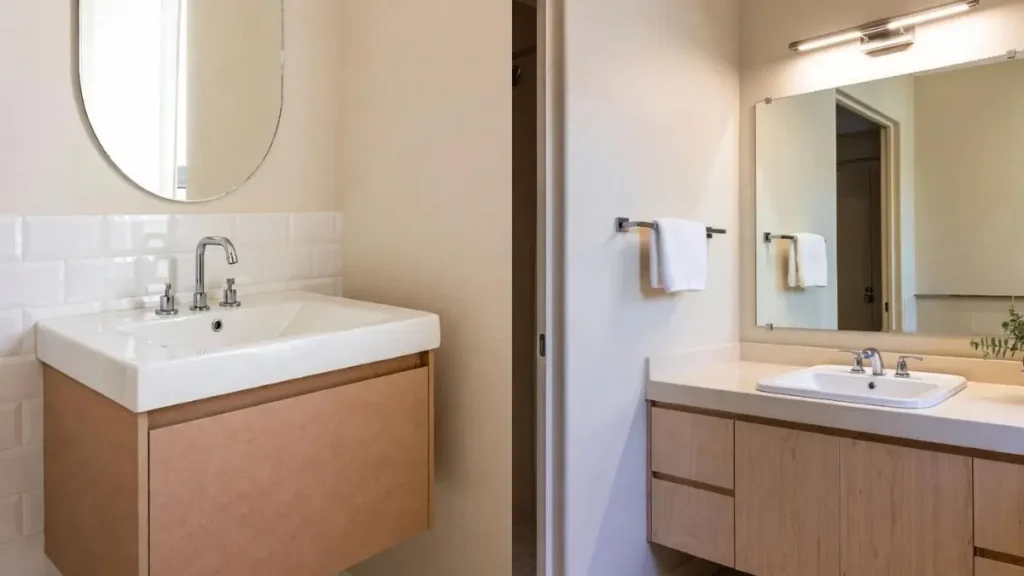
Vanity units are a key feature in bathrooms. MDF is often used for these because it offers a smooth surface that paints and veneers stick to well. This helps create a clean, modern look. MDF is less expensive than solid wood but still provides strength and durability for daily use.
When using MDF for vanity units:
- Seal all edges to protect against water damage.
- Use waterproof paint or laminate finishes.
- Choose moisture-resistant MDF variants when possible.
MDF vanity units can fit various designs, from classic to contemporary. Proper finishing extends their life in humid environments.
Shelving And Storage
MDF is excellent for bathroom shelving and storage solutions. It provides a flat and uniform surface that can hold paint, laminate, or veneer well. This makes it easy to match shelves with other bathroom furniture.
Good points about using MDF for shelving:
- Offers strong support for lightweight to medium items.
- Can be cut to custom sizes for tight spaces.
- Painted or laminated shelves resist moisture better.
Wall Panels
Wall panels made from MDF add style and protection to bathroom walls. They create a smooth and clean look while hiding imperfections. MDF panels are easier to install than tiles and can be painted or laminated to match bathroom decor.
Advantages of MDF wall panels in bathrooms include:
- Quick installation with tongue and groove or simple fixing methods.
- Flexibility in design with various paint or finish options.
- Cost-effective alternative to ceramic tiles.
For bathroom wall panels, moisture resistance is critical. Use these steps:
- Choose moisture-resistant MDF boards.
- Seal all edges and joints carefully.
- Use waterproof paint or wall panel laminates.
With these precautions, MDF wall panels become a durable and attractive option. They can protect walls from splashes and humidity while improving the bathroom’s appearance.
Maintenance Tips For MDF in Wet Areas
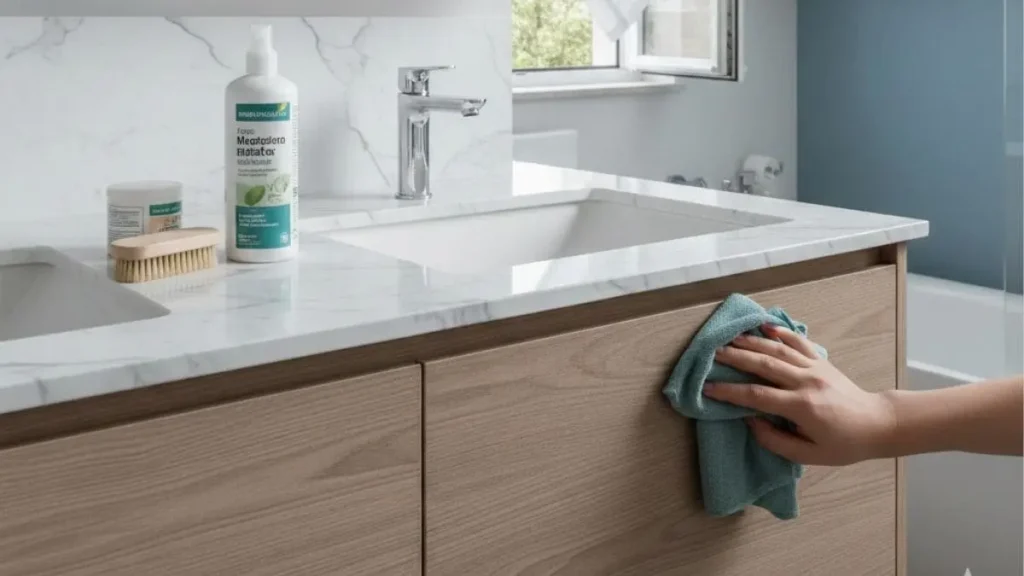
MDF, or Medium Density Fiberboard, is a popular material for bathroom furniture and walls. It looks smooth and works well with paint and finishes. But bathrooms have lots of moisture and water, which can harm MDF. Proper care helps MDF last longer in these wet areas. Following smart maintenance tips keeps it strong and good-looking.
Cleaning Practices
Cleaning MDF in a bathroom needs gentle care. Water and harsh chemicals can damage the surface. Use a soft, damp cloth to wipe dust and dirt. Avoid soaking the MDF or using abrasive scrubbers.
- Use mild soap solutions: Mix a few drops of mild dish soap in warm water.
- Wipe gently: Use a soft cloth or sponge dampened with the soap solution.
- Dry immediately: After cleaning, dry the surface with a dry cloth to prevent moisture buildup.
- Avoid harsh cleaners: Do not use bleach, ammonia, or strong chemical cleaners.
Preventing Water Damage
Water damage is the biggest threat to MDF in bathrooms. Moisture causes swelling, warping, and weakening of the board. Protect MDF by sealing and avoiding direct water contact.
- Apply waterproof sealant: Use a water-resistant primer and paint or varnish designed for bathrooms.
- Seal all edges: Edges absorb water easily. Cover them well with sealant or edge banding.
- Install splash guards: Place guards near sinks, tubs, and showers to block water spray.
- Ventilate the bathroom: Use exhaust fans to reduce humidity and speed drying.
- Fix leaks quickly: Repair dripping faucets and pipes to stop moisture buildup.
Repairing Minor Damages
Minor damages like small chips or scratches happen easily to MDF in wet spaces. Fixing them quickly stops problems from growing.
Follow these steps for simple MDF repairs:
- Clean the damaged area: Remove dirt and dry the spot well.
- Fill chips or holes: Use wood filler or putty made for MDF. Apply with a putty knife and smooth it out.
- Sand the surface: After drying, gently sand the repair to match the surrounding area.
- Repaint or reseal: Paint over the repair with bathroom-safe paint or apply sealant.
Alternatives To MDF In Bathrooms
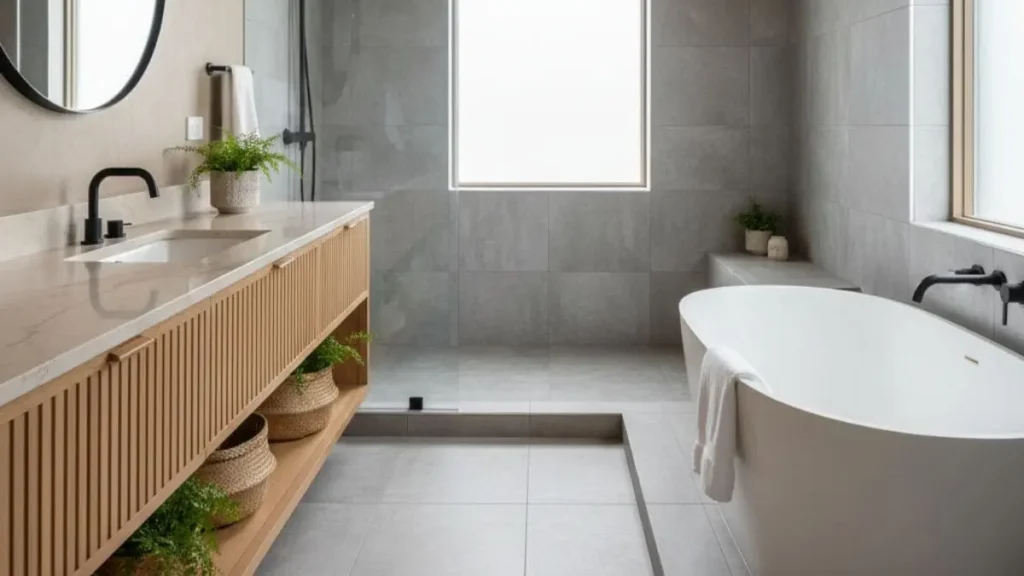
MDF is popular for many indoor projects because it is affordable and easy to work with. But bathrooms have high moisture levels. This makes MDF a risky choice there. The material can swell, warp, or break down when exposed to water. Choosing the right material for bathroom furniture and walls is key to ensure durability and avoid damage. Several alternatives to MDF work better in wet environments. These options resist moisture and last longer in bathrooms.
Plywood
Plywood is a strong and moisture-resistant option. It is made by gluing thin layers of wood veneer together. The layers are arranged with grains in different directions. This gives plywood strength and stability.
For bathrooms, select exterior-grade or marine plywood. These types use waterproof glue and resist water better than standard plywood. They handle humidity well and do not swell easily.
- Plywood can be sealed with waterproof paint or varnish.
- It is easy to cut and shape for cabinets or wall panels.
- Plywood has a natural wood appearance, which adds warmth.
- It is more expensive than MDF but lasts longer in moist areas.
PVC Boards
PVC boards are made from plastic and resist water completely. These boards do not absorb moisture, so they do not swell, rot, or get moldy. They suit bathrooms perfectly.
Some benefits of PVC boards include:
- Lightweight and easy to install
- Available in many colors and finishes
- Easy to clean and maintain
- Durable and long-lasting in wet conditions
PVC boards can be used for wall panels, cabinets, and even ceilings. They provide a modern look without worrying about water damage.
Solid Wood Options
Solid wood is a classic choice for bathrooms when properly treated. Some wood types resist moisture better than others. Woods like teak, cedar, and oak have natural oils that repel water.
To use solid wood in a bathroom:
- Choose hardwoods with natural water resistance
- Apply quality sealants or varnishes
- Maintain regularly to prevent damage
Conclusion
MDF can work in a bathroom if you protect it well. Use paint or sealant to keep moisture out. Avoid placing MDF where water hits often. Ventilate the bathroom to reduce dampness. Regular checks help catch damage early. Choose MDF only for low-wet areas like shelves or cabinets.
This way, MDF lasts longer and looks good. Care and smart use make MDF a suitable bathroom choice.