


Have you ever turned on your bathroom faucet and noticed black gunk coming out with the water? It’s unsettling and can make you wonder if your water is safe.
You’re not alone—many homeowners face this problem and don’t know what’s causing it or how to fix it. You’ll discover the reasons behind that mysterious black residue and simple steps you can take to get your faucet running clean again.
Causes Of Black Gunk

Black gunk coming out of your bathroom faucet can be unsettling and frustrating. This dark residue often signals underlying issues in your plumbing or water supply. Various factors can contribute to this buildup, from natural deposits to material breakdown inside the faucet system.
Mineral Deposits And Sediment
One common cause of black gunk is the accumulation of mineral deposits and sediment. Water contains minerals like iron, manganese, and calcium. Over time, these minerals settle inside pipes and faucets, especially in areas with hard water.
Hard water leads to:
- Mineral buildup that looks like dark or black particles
- Clogged aerators and valves
- Reduced water flow
These deposits mix with dirt and other sediments, forming black gunk. It often appears after water has been sitting unused in pipes for a while. Cleaning or replacing affected parts can help.
| Mineral | Color of Deposit | Effect |
| Iron | Reddish-brown or black | Stains fixtures, causes black flakes |
| Manganese | Black or dark brown | Creates black sediment and discoloration |
| Calcium | White to gray | Hard deposits, less often black gunk |
Mold And Mildew Growth
Mold and mildew inside the faucet or drain can cause black gunk. Bathrooms have moisture and warmth, perfect for mold growth. Mold thrives on organic material and dirt inside pipes.
Signs of mold and mildew include:
- Musty smell near faucet
- Black or dark green slimy residue
- Discoloration around faucet base or sink
Black gunk from mold can affect water taste and safety. It grows especially if water sits in pipes without use. Cleaning with a mold-killing solution and fixing leaks prevents buildup.
Corroded Pipes And Fixtures
Corrosion inside pipes and fixtures causes black gunk too. Pipes made of metal can rust or break down with time. Corrosion releases small particles into the water.
Common corrosion causes:
- Old plumbing systems
- Water with low pH (acidic water)
- Metal pipes exposed to oxygen and moisture
Corroded pipes often produce black or dark flakes. These pieces mix with water and come out of faucets. Corrosion damages pipes and lowers water quality. Replacing corroded parts is the best solution.
| Pipe Material | Corrosion Type | Signs of Corrosion |
| Galvanized Steel | Rust and scale buildup | Flaking, black particles in water |
| Copper | Blue-green corrosion | Discolored water, metal taste |
| Cast Iron | Rust and pitting | Brown or black sediment |
Rubber Washer Breakdown
Rubber washers inside faucets wear out over time. When these washers break down, they release black particles into the water. This causes the black gunk you see from your faucet.
Reasons for washer breakdown:
- Age and frequent use
- Exposure to hard water chemicals
- Heat and pressure inside pipes
Worn washers become soft, crumbly, or sticky. Pieces may detach and flow out with water. Replacing these washers is easy and stops black gunk from appearing.
Health Concerns
Black gunk coming out of your bathroom faucet can raise serious health concerns. This dark residue is not just dirty water; it may carry harmful substances and bacteria. The presence of black gunk often signals problems in your plumbing or water supply system. Ignoring it can lead to infections or other water-related issues.
Potential Bacterial Risks
The black gunk often contains bacteria that thrive in moist environments. These bacteria can cause illnesses, especially in children, elderly people, and those with weak immune systems. The gunk acts as a breeding ground for germs, which may enter your body through skin contact or accidental swallowing.
- Legionella: Can cause a severe lung infection called Legionnaires’ disease.
- Pseudomonas aeruginosa: Leads to skin rashes, ear infections, and other health issues.
- Mycobacteria: Known for causing lung and skin infections.
Regular exposure to these bacteria may cause symptoms like coughing, skin irritation, and stomach problems. People with respiratory conditions should be especially careful. The bacteria can multiply quickly in the gunk, making the problem worse over time.
| Bacteria | Health Risks | Common Symptoms |
| Legionella | Lung infection (Legionnaires’ disease) | Cough, fever, muscle aches |
| Pseudomonas aeruginosa | Skin infections, ear infections | Rashes, ear pain, swelling |
| Mycobacteria | Skin and lung infections | Skin lesions, cough, fatigue |
Impact On Water Quality
Black gunk affects water quality in several ways. It changes the water’s color, smell, and taste, making it unpleasant for daily use. Contaminants in the gunk can also reduce water safety for drinking, cooking, and bathing.
Common water quality issues caused by black gunk include:
- Discoloration: Water may appear dark or cloudy.
- Unpleasant odor: Water may smell musty or metallic.
- Bad taste: Water can taste bitter or strange.
- Clogged pipes: Gunk buildup reduces water flow and pressure.
The gunk often contains tiny particles of rust, mold, or mineral deposits. These particles can damage plumbing fixtures and appliances over time. Contaminants may also react with disinfectants like chlorine, lowering their effectiveness.
| Water Quality Issue | Effect on Household | Possible Cause |
| Discoloration | Unappealing water for use | Rust or sediment in pipes |
| Odor | Unpleasant smell during use | Mold or bacterial growth |
| Bad Taste | Water not suitable for drinking | Mineral deposits or chemicals |
| Clogged Pipes | Reduced water pressure and flow | Accumulated black gunk |
Keeping your water clean requires regular maintenance. Flushing your pipes and cleaning faucet aerators can help reduce black gunk buildup. Testing water quality through certified labs ensures safety and peace of mind.
Inspection Steps
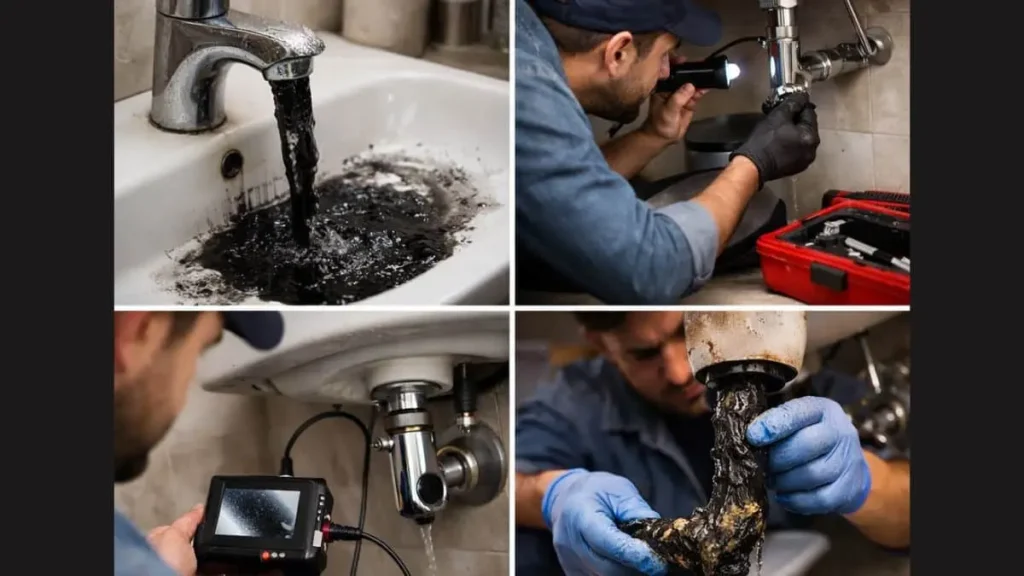
Before calling a plumber, perform some inspection steps. These steps help find the source of the black particles and prevent further damage. A careful check of aerators, pipes, valves, and water quality gives clues about the issue.
Checking Aerators And Screens
The aerator is the small mesh screen at the tip of the faucet. It mixes air with water to reduce splashing and save water. Dirt, rust, or mineral buildup often collects here, causing black particles to appear in your water.
- Turn off the faucet. Use a wrench or your hand to unscrew the aerator carefully.
- Inspect the screen. Look for black debris, dirt, or corrosion on the mesh.
- Clean the aerator. Soak it in vinegar for 30 minutes to dissolve mineral buildup.
- Rinse and scrub. Use a toothbrush to remove stubborn debris.
- Reinstall the aerator. Screw it back on and run water to check for improvement.
Sometimes aerators wear out or corrode. Replace it if cleaning does not help. Aerator problems are common causes of black gunk and can be fixed without professional help.
Examining Pipes And Valves
Black particles may come from old or corroded pipes and valves inside your home. These parts can break down over time, releasing bits of material into the water.
- Locate accessible pipes and valves. Focus on those near the affected faucet.
- Look for signs of corrosion. Check for rust, dark stains, or flaking on pipe surfaces.
- Check valve condition. Old rubber seals or washers inside valves can degrade and cause black particles.
- Test water flow. Turn valves on and off to see if particles increase or decrease.
- Note pipe material. Cast iron and galvanized steel pipes corrode faster than copper or PVC.
Water Testing Methods
Testing your water helps find contaminants causing black gunk. It also shows if the problem is local or from the water supply.
- Visual Inspection: Fill a clear glass with water and watch for particles settling at the bottom.
- DIY Test Kits: Available online or in stores; test for metals, sediment, and bacteria.
- Send Samples to Lab: For accurate analysis, contact a certified lab to test water quality.
Here is a simple table showing common water tests and what they detect:
| Test Type | Detects | Purpose |
| pH Test | Acidity or alkalinity | Check water balance |
| Iron Test | Iron and rust particles | Identify corrosion |
| Particulate Test | Solid particles in water | Measure sediment level |
| Bacteria Test | Harmful bacteria | Check water safety |
Water testing helps pinpoint the source of black gunk. It guides necessary treatments or repairs to keep water clean and safe.
Cleaning Techniques
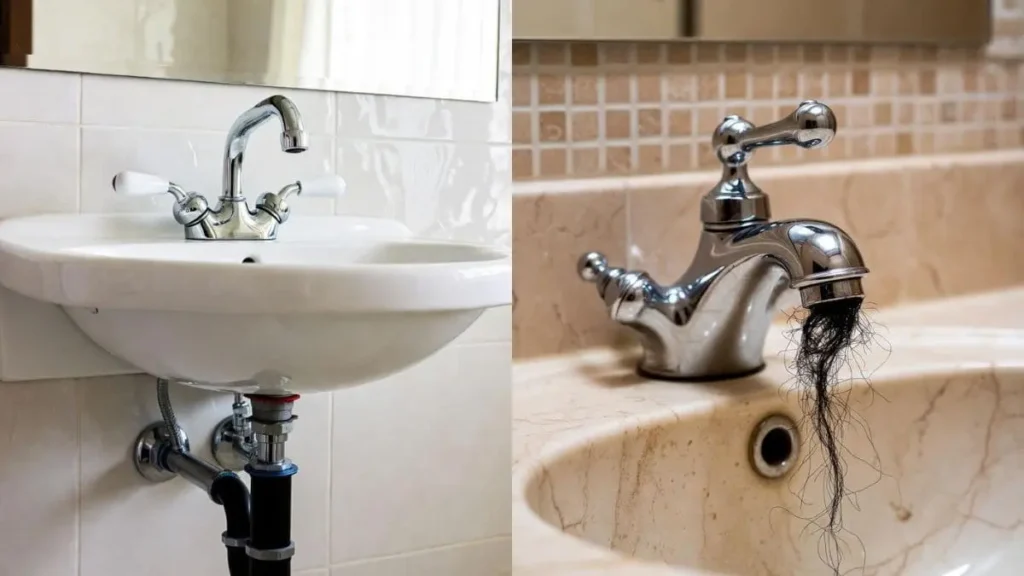
Below are three key cleaning methods that work well for clearing black gunk and restoring your faucet’s condition.
Removing Aerators For Cleaning
The aerator is the small screen at the faucet’s tip. It often traps dirt and black particles. Removing it is the first step to clean the black gunk.
- Turn off the water supply to avoid spills.
- Use your hand or pliers to gently unscrew the aerator.
- Inspect the aerator for debris or buildup.
- Soak it in warm, soapy water for 10-15 minutes.
- Use a small brush or old toothbrush to scrub away any gunk.
After cleaning, rinse the aerator under running water. Reattach it by screwing it back onto the faucet. Test the faucet to check if the water flows freely and is free of black particles.
| Step | Action | Tip |
| 1 | Turn off water | Prevents mess |
| 2 | Remove aerator | Use pliers if stuck |
| 3 | Soak and scrub | Use toothbrush |
| 4 | Rinse and reattach | Check water flow |
Using Vinegar And Baking Soda
Vinegar and baking soda are natural cleaners that dissolve mineral deposits and kill mold. This combo is effective against black gunk in faucets.
- Mix equal parts white vinegar and warm water in a bowl.
- Remove the aerator and soak it in the vinegar solution for 30 minutes.
- Make a paste using baking soda and a little water.
- Apply the paste to the faucet’s spout and aerator screen.
- Scrub gently with a toothbrush or cloth.
- Rinse everything with warm water.
This method breaks down stubborn grime and clears out black particles. Vinegar’s acidity softens the buildup, while baking soda scrubs it away without damage.
Safety Tips:
- Do not mix vinegar and baking soda directly in a sealed container.
- Use gloves if you have sensitive skin.
- Rinse thoroughly to avoid residue.
Replacing Washers And Seals
Old washers and seals inside the faucet can trap dirt and cause black gunk. Replacing these parts restores faucet function and stops leaks.
Tools needed:
- Screwdriver
- Adjustable wrench
- Replacement washers and seals (check faucet model)
- Teflon tape (optional)
Steps to replace washers and seals:
- Turn off the water supply.
- Remove the faucet handle using a screwdriver.
- Unscrew the valve stem with a wrench.
- Locate the washers and seals inside the valve assembly.
- Remove old washers and seals carefully.
- Install new washers and seals in the same position.
- Reassemble the faucet parts.
- Turn on the water and check for leaks.
Replacing washers and seals stops water from leaking and prevents black gunk buildup. It also improves faucet lifespan and water cleanliness.
Conclusion
Black gunk in your bathroom faucet can signal a few common problems. It might come from old pipes, mold, or mineral buildup. Cleaning the faucet regularly helps keep the water clear and safe. Using a filter can stop dirt and particles from coming out.
If the gunk keeps appearing, call a plumber to check your pipes. Taking action early saves money and avoids bigger issues. Clean water means a healthier home and peace of mind. Don’t ignore black gunk—deal with it soon.