

Thinking about remodeling your home in the Bay Area? You’re probably wondering how much it will cost and where your money will go.
Remodeling can feel overwhelming, especially when prices seem to vary so much. But knowing the typical costs and what affects them can help you plan better and avoid surprises. You’ll discover clear insights on Bay Area remodeling costs, so you can make smart decisions for your home and budget.
Factors Influencing Costs

Various elements affect the final price, from labor to materials, project size, and local rules. Each factor plays a key role in shaping the total expense. Knowing these can prevent surprises and guide smart decisions.
Labor Expenses
Labor costs make up a large part of remodeling expenses in the Bay Area. Skilled workers charge more due to high demand and living costs in the region. Labor prices vary by trade, experience, and project complexity.
Common trades involved include:
- Carpenters
- Electricians
- Plumbers
- Painters
- General contractors
Hourly rates can range widely. For example:
| Trade | Average Hourly Rate |
| Carpenter | $50 – $90 |
| Electrician | $70 – $120 |
| Plumber | $65 – $110 |
Factors raising labor costs:
- Project complexity
- Time constraints
- Specialized skills
- Union labor requirements
Some contractors charge a flat fee or percentage of total costs instead of hourly wages. Always clarify payment terms before work starts. Efficient project management can reduce labor hours and save money.
Material Prices
Material costs vary widely depending on quality and type. Bay Area prices tend to be higher due to transportation and demand. Choosing the right materials can balance cost and durability.
Common materials and their price ranges:
| Material | Low Cost (per sq. ft.) | High Cost (per sq. ft.) |
| Laminate Flooring | $1.50 | $4.00 |
| Hardwood Flooring | $5.00 | $15.00 |
| Granite Countertops | $40.00 | $100.00 |
| Tile | $3.00 | $10.00 |
Material choices impact remodeling costs:
- Standard vs. premium materials
- Local availability
- Custom designs or finishes
- Eco-friendly or sustainable options
Price fluctuations happen due to supply chain issues. Ordering materials early helps avoid delays and price hikes. Mixing high-end with budget-friendly materials can control costs.
Project Size And Scope
The size and scope of a remodeling project directly affect total costs. Larger projects need more materials, labor, and time. Small updates cost less but might not add as much value.
Key points to consider:
- Project size: More square footage increases costs.
- Complexity: Custom work or structural changes raise expenses.
- Multiple rooms: Remodeling several rooms costs more than one.
- Design changes: Changes during work add to the budget.
Examples of scope impact:
- Simple bathroom update: $10,000 – $20,000
- Full kitchen remodel: $30,000 – $80,000
- Whole house renovation: $100,000+
Clear planning and a detailed contract help control scope creep. Setting a realistic budget for your project size avoids surprises.
Permits And Regulations
Permits and local regulations affect remodeling costs in the Bay Area. Permits ensure work meets safety and building codes. Failing to get proper permits can lead to fines or costly fixes.
Common permits needed:
- Building permit
- Electrical permit
- Plumbing permit
- Mechanical permit
Permit costs depend on project type and city. Average fees range from $500 to $2,500. Some cities require inspections, adding to time and cost.
Regulation factors impacting costs:
- Historic district rules
- Energy efficiency standards
- Zoning laws
- Environmental requirements
Working with a knowledgeable contractor helps navigate rules smoothly. Early permit application prevents delays. Budgeting for permit fees and possible upgrades keeps the project on track.
Average Remodeling Costs
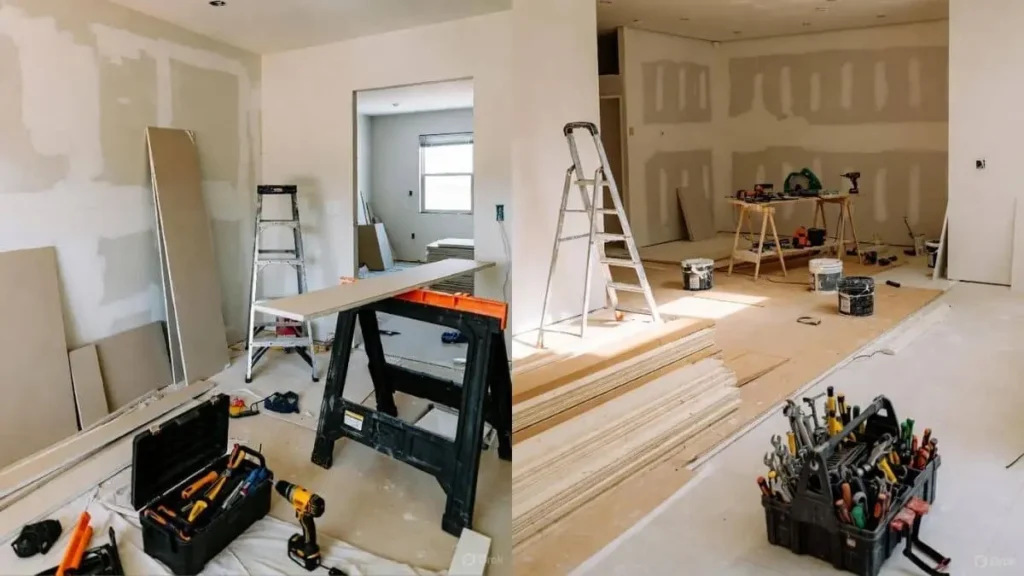
Remodeling a home in the Bay Area involves a wide range of costs based on project size and materials. Average remodeling costs vary by room and the type of work done. Knowing typical expenses helps homeowners plan budgets and avoid surprises.
Kitchen Remodels
Kitchen remodels often take the biggest share of a home renovation budget. The Bay Area sees a wide range of costs due to design choices and materials used. On average, a kitchen remodel costs between $25,000 and $75,000. This range covers minor updates to full remodels with new cabinets, appliances, and flooring.
Costs depend on:
- Cabinet type and quality
- Countertop materials (granite, quartz, laminate)
- Appliance brands and energy efficiency
- Labor costs in the Bay Area
- Layout changes and plumbing upgrades
Here is a quick cost breakdown:
| Item | Average Cost |
| Cabinets | $10,000 – $20,000 |
| Countertops | $2,000 – $5,000 |
| Appliances | $3,000 – $10,000 |
| Flooring | $1,500 – $4,000 |
| Labor | $8,000 – $20,000 |
Simple remodels focus on cosmetic updates like paint and hardware. Full remodels may include layout changes and high-end finishes.
Recommended: How Much Should a 10X10 Kitchen Remodel Cost
Bathroom Renovations
Bathroom renovations usually cost less than kitchens but still vary widely. The typical range is $10,000 to $30,000. Costs rise with luxury fixtures and plumbing moves. Basic updates like new tile or vanity run at the lower end.
Main cost factors include:
- Fixture quality (toilets, sinks, tubs)
- Tile and flooring materials
- Plumbing and electrical work
- Labor rates in Bay Area
- Size of the bathroom
Estimated costs for bathroom elements:
| Element | Cost Range |
| Vanity | $1,000 – $3,000 |
| Shower or Tub | $2,000 – $7,000 |
| Toilet | $300 – $700 |
| Flooring | $1,000 – $3,000 |
| Labor | $3,000 – $7,000 |
Partial updates focus on fixtures and paint. Complete renovations often involve new layouts and plumbing.
Recommended: The Ultimate Guide to Bathroom Remodeling Costs
Whole House Remodels
Whole house remodels are the most costly projects. Prices average from $100,000 to over $300,000 depending on size and scope. These remodels include updates to multiple rooms, systems, and sometimes structure.
Key cost drivers:
- Square footage of the home
- Extent of structural changes
- Quality of finishes and materials
- Upgrading plumbing, electrical, HVAC
- Labor demand and permit fees
Typical costs break down like this:
| Category | Typical Cost Range |
| Interior finishes | $50,000 – $150,000 |
| Systems upgrade | $20,000 – $60,000 |
| Structural work | $10,000 – $50,000+ |
| Labor | $30,000 – $100,000+ |
Whole house remodels need detailed planning to manage costs effectively. Unexpected issues can increase budgets.
Basement Finishing
Finishing a basement turns unused space into a livable area. The Bay Area average ranges from $30,000 to $70,000 depending on size and features. Costs depend on walls, flooring, lighting, and plumbing additions.
Basement finishing costs include:
- Framing and drywall installation
- Flooring and ceiling materials
- Electrical and lighting setup
- Bathroom or kitchenette additions
- Permits and inspections
Cost breakdown example:
| Item | Cost Range |
| Framing and drywall | $8,000 – $15,000 |
| Flooring | $3,000 – $8,000 |
| Electrical | $2,000 – $6,000 |
| Bathroom addition | $10,000 – $20,000 |
| Labor | $7,000 – $20,000 |
Basement finishing adds value and space. Planning helps control costs and meet local building codes.
Cost-saving Tips
Remodeling in the Bay Area can be expensive, but careful planning helps cut costs. Cost-saving tips make projects easier on your budget. Small choices add up to big savings. Focus on smart decisions about materials, labor, timing, and tasks to reduce expenses without lowering quality. Use these ideas to keep your remodeling costs manageable.
Choosing Materials Wisely
Picking the right materials affects both price and durability. Opt for affordable options that look good and last long. Avoid expensive, trendy materials that may not add value. Consider these points:
- Compare prices: Check multiple stores and online sellers for best deals.
- Choose mid-range products: They often offer a good balance between cost and quality.
- Buy in bulk: Larger quantities sometimes come with discounts.
- Reuse and recycle: Salvage materials from old projects or buy reclaimed items.
Here is a quick comparison table for common remodeling materials:
| Material | Average Cost per sq. ft. | Durability | Cost-saving Tips |
| Laminated Wood | $3 – $7 | Medium | Buy off-season, choose factory seconds |
| Ceramic Tile | $1 – $5 | High | Use smaller tiles to reduce waste |
| Quartz Countertops | $50 – $100 | Very High | Consider laminate alternatives |
| Vinyl Flooring | $2 – $5 | Medium | Buy in rolls for lower price |
Material choices shape your budget. Spend wisely on key areas and save on less visible parts.
Hiring Local Contractors
Local contractors reduce travel costs and understand Bay Area building rules. They offer quicker service and better communication. Choose them to avoid delays and surprises. Here are benefits of hiring local:
- Lower transportation fees: Contractors near you save on travel expenses.
- Familiarity with permits: They know local codes and speed up approvals.
- Easy to check references: Local clients provide trustworthy feedback.
- Faster response times: Problems get fixed quickly.
Timing Your Project
Project timing affects labor and material prices. Scheduling wisely lowers costs and avoids rush charges. Bay Area has busy seasons for construction. Consider these tips:
- Off-season work: Winter months often have lower contractor rates.
- Order materials early: Avoid price spikes and delays.
- Avoid weekends and holidays: Labor may cost more.
- Plan for weather: Rain or heat can slow progress and increase expenses.
Here is a seasonal cost guide for Bay Area remodeling:
| Season | Labor Cost | Material Cost | Project Advice |
| Winter (Dec-Feb) | Lower | Stable | Book early for best rates |
| Spring (Mar-May) | Moderate | Rising | Start planning and ordering |
| Summer (Jun-Aug) | High | High | Expect delays, book early |
| Fall (Sep-Nov) | Moderate | Stable | Good time for projects |
Smart timing reduces surprises and keeps the budget on track.
DIY vs Professional Work
Deciding between DIY and hiring pros impacts costs and quality. DIY saves money but requires time and skills. Professionals cost more but deliver faster, safer results. Consider these factors:
- Skill level: Only do tasks you understand well.
- Time available: DIY can take weeks; pros finish quicker.
- Tools needed: Buying or renting tools adds costs.
- Safety: Electrical, plumbing, or structural work needs pros.
Compare costs and benefits:
| Aspect | DIY | Professional |
| Cost | Lower upfront | Higher upfront |
| Time | Longer | Shorter |
| Quality | Variable | Consistent |
| Risk | Higher | Lower |
Use DIY for painting, minor repairs, or demolition. Hire pros for complex or risky jobs. This balance saves money and ensures good results.
Unexpected Expenses
These hidden costs come from issues uncovered during construction or from last-minute decisions. Planning for these expenses helps avoid stress and delays.
Structural Issues
Older Bay Area homes may have hidden structural problems. These can include damaged beams, foundation cracks, or termite damage. Such issues need immediate repair for safety and stability. Ignoring them can lead to bigger expenses later.
- Foundation problems: Cracks or sinking require professional repair.
- Water damage: Rot or mold behind walls needs removal and replacement.
- Termite damage: Infested wood must be treated or replaced.
Structural repairs often take extra time and money. Inspectors and contractors might find new problems during work. These costs may not appear in the first estimate.
| Issue | Possible Cost Range | Notes |
| Foundation Repair | $5,000 – $25,000 | Depends on severity and methods used |
| Water Damage Repair | $2,000 – $10,000 | Includes mold remediation |
| Termite Treatment and Repair | $1,500 – $7,000 | Varies with infestation size |
Upgrading Systems
Older homes in the Bay Area often need upgrades to plumbing, electrical, and HVAC systems. These updates ensure safety and meet local codes. They can add unexpected costs but increase home value.
Common system upgrades include:
- Electrical rewiring: Old wiring may not support new appliances.
- Plumbing replacement: Pipes may leak or be corroded.
- HVAC installation: New heating and cooling improve efficiency.
System upgrades often require permits and inspections. This process can add time and fees. Budgeting extra for these is wise.
| System | Upgrade Cost Range | Reason |
| Electrical | $3,000 – $10,000 | Safety and code compliance |
| Plumbing | $2,500 – $8,000 | Prevent leaks and damage |
| HVAC | $4,000 – $12,000 | Energy efficiency and comfort |
Design Changes
Design changes during remodeling often increase costs. Homeowners may decide to add features or change layouts after work has started. These changes can slow progress and raise expenses.
Examples of design changes include:
- Adding extra windows or doors
- Choosing higher-end materials
- Changing floor plans or room sizes
- Upgrading fixtures and finishes
Each change requires new materials, labor, and sometimes permits. Contractors may charge extra for rework or delays. Planning carefully and sticking to the original design reduces surprises.
| Design Change | Cost Impact | Reason |
| Adding Windows/Doors | $1,000 – $5,000+ | New framing and finishing work |
| Upgrading Materials | Varies widely | Higher price per item |
| Floor Plan Changes | $2,000 – $10,000+ | Additional labor and materials |
Comparing Bay Area To National Costs

The Bay Area is known for its high living costs, and remodeling expenses reflect this trend. Comparing Bay Area remodeling costs to national averages shows clear differences. Many factors affect why the Bay Area often has higher remodeling prices than other regions.
Regional Price Differences
Bay Area remodeling costs are significantly higher than the national average. The main reasons include the cost of materials, labor wages, and local regulations.
- Material costs: Shipping and demand increase prices for wood, tiles, and fixtures.
- Labor wages: Skilled workers earn more due to the area’s high cost of living.
- Permits and regulations: Strict building codes add extra costs and time.
Here is a simple comparison table of common remodeling tasks:
| Remodeling Task | Bay Area Cost (Average) | National Cost (Average) |
| Kitchen Remodel | $40,000 – $75,000 | $20,000 – $50,000 |
| Bathroom Remodel | $20,000 – $35,000 | $10,000 – $25,000 |
| Room Addition | $80,000 – $150,000 | $40,000 – $90,000 |
These figures show the Bay Area prices are often double the national average. Planning for these differences helps avoid surprises during remodeling.
Market Demand Effects
The Bay Area has a strong real estate market, which pushes remodeling costs higher. High demand for housing and renovations affects prices in several ways.
- Contractor availability: More projects mean fewer contractors are free, raising labor costs.
- Material shortages: High demand can cause delays and price spikes for building supplies.
- Competitive pricing: Contractors may increase bids due to many clients seeking similar services.
Here are key points about market demand:
- Bay Area has constant construction and remodeling activity.
- Limited skilled labor leads to higher wages.
- Material costs fluctuate more due to supply chain issues.
Market demand directly influences the final price of remodeling projects. Understanding this helps homeowners set realistic budgets and timelines.
Conclusion
Bay Area remodeling costs vary based on project size and materials. Planning helps control expenses and avoid surprises. Choose trusted contractors to get fair prices and good work. Keep track of your budget throughout the remodel process. Small changes can add up quickly, so stay aware.
Your home will feel fresh and new after remodeling. Smart choices lead to better results and happy living. Take time to research and plan before starting any project. This way, you get the most value for your money.


