
Is your air conditioning keeping the downstairs cool but leaving the upstairs hot and uncomfortable? You’re not alone, and it can be really frustrating when your home doesn’t feel evenly chilled.
Understanding why this happens can help you fix the problem faster and enjoy a comfortable temperature throughout your entire house. You’ll discover simple reasons behind uneven cooling and easy steps you can take to get your upstairs feeling just as fresh as downstairs.
Common Causes For Upstairs Ac Issues
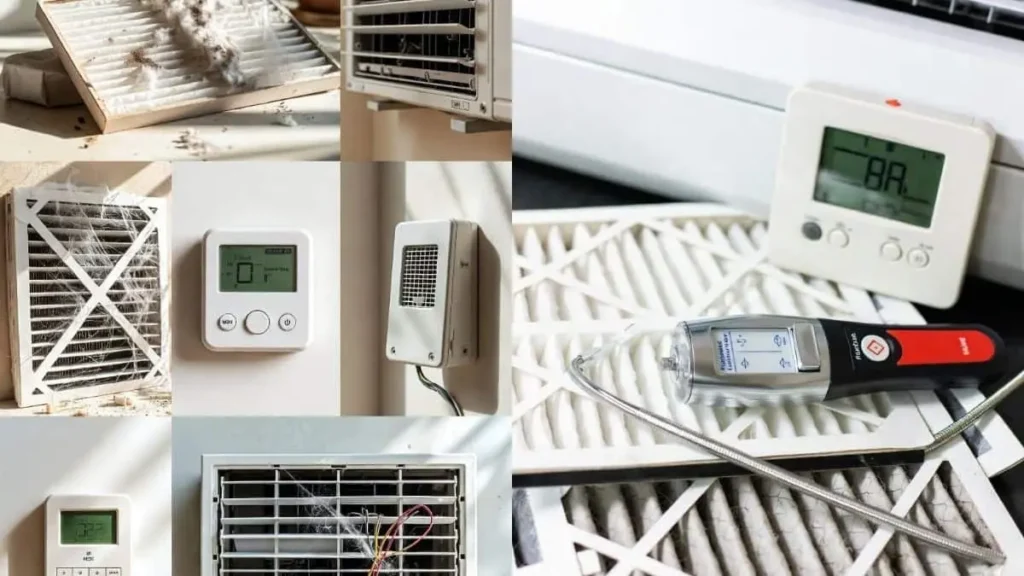
Many homes face the issue where the air conditioning works well downstairs but struggles upstairs. This problem is common in multi-level houses. The upstairs rooms often feel warmer and less comfortable. Understanding the common causes for upstairs AC issues helps find the right solution quickly. Several factors affect the cooling performance upstairs.
Airflow Blockages
One major reason for poor cooling upstairs is airflow blockages. When air cannot flow freely, the cold air does not reach the upper floors effectively. Blockages can happen in several ways:
- Closed or partially closed vents: Sometimes vents upstairs are shut or blocked by furniture.
- Dirty air filters: Clogged filters reduce airflow throughout the system.
- Obstructions in ducts: Dust, debris, or pests can block the ducts leading upstairs.
- Damaged or crushed ducts: Ducts in tight spaces may get bent or crushed, limiting airflow.
Thermostat Placement
The location of your thermostat can affect how the AC cools upstairs. If the thermostat is downstairs, it may not sense the warmer temperature upstairs. This causes the AC to turn off before the upper floors get cool. Here are some common thermostat placement problems:
- Thermostat placed near a heat source: This gives false readings, making the AC run less.
- Thermostat located only on the lower floor: It senses temperature downstairs, ignoring upstairs heat.
- Thermostat in direct sunlight: It reads higher temperatures than actual room temperature.
Ductwork Problems
Ductwork plays a vital role in moving cool air throughout your home. Problems in ducts often cause poor AC performance upstairs. Common ductwork issues include:
- Leaks in ducts: Air escapes before reaching upstairs rooms.
- Poorly designed duct layout: Ducts may not deliver enough air upstairs.
- Improperly sized ducts: Small ducts restrict airflow.
- Disconnected or loose duct joints: Air leaks reduce cooling power.
Insulation And Heat Gain
Heat gain upstairs can overpower the AC, causing warm rooms. Poor insulation and heat entering through walls, ceilings, and windows raise indoor temperature. Common issues include:
- Thin or missing insulation: Heat passes easily into rooms.
- Sunlight through windows: Direct sunlight warms rooms quickly.
- Poorly sealed windows and doors: Let warm air inside and cool air escape.
- Attic heat: A hot attic raises upstairs temperature.
Checking The Air Filter And Vents
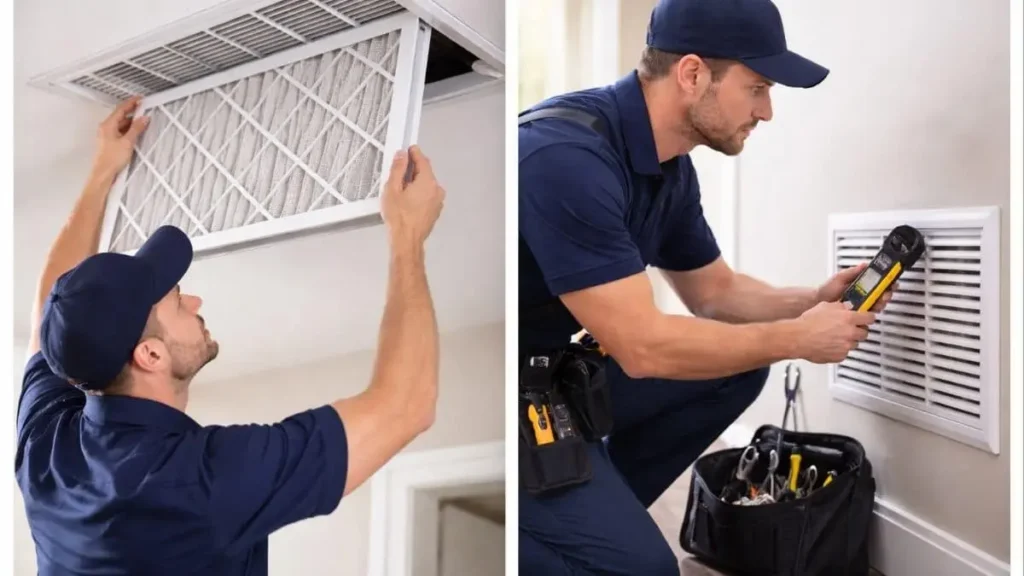
When the air conditioning cools the downstairs but not the upstairs, the problem often lies in simple maintenance issues. Checking the air filter and vents is a crucial first step to find the cause. These parts help control airflow and air quality inside the house. Dirty filters or blocked vents can reduce the AC’s performance upstairs. Understanding how these components work makes it easier to fix the cooling problem quickly.
Clogged Filters
The air filter captures dust, dirt, and other particles before air enters the AC system. Over time, filters collect debris and become clogged. A clogged filter reduces airflow, making it hard for cool air to reach all rooms, especially upstairs.
Signs of clogged filters include:
- Weak airflow from vents
- Higher energy bills
- Unusual odors from vents
- AC running longer than usual
Filters should be checked every 1 to 3 months. Cleaning or replacing the filter helps the AC work better and last longer.
| Filter Type | Recommended Replacement |
| Fiberglass Filters | Every 30 days |
| Pleated Filters | Every 3 months |
| HEPA Filters | Every 6-12 months |
Regular filter maintenance improves airflow to upstairs rooms. It also protects the AC system from damage.
Closed Or Obstructed Vents
Vents spread cooled air into each room. If vents upstairs are closed or blocked, air cannot flow properly. This causes hot spots and uneven cooling.
Common vent problems include:
- Closed or partially closed vents
- Furniture or curtains blocking vents
- Dust or debris inside vents
- Damaged vent covers
Check that all vents upstairs are open and clear. Move furniture or curtains away from vents. Clean dust buildup with a vacuum or cloth.
Thermostat Settings And Calibration
Many homes face the problem of air conditioning working well downstairs but not upstairs. One key factor in this issue is thermostat settings and calibration. The thermostat controls the temperature by signaling the AC to cool or stop. If its settings are wrong or the device is not calibrated, the upstairs rooms can stay hot even when the downstairs feels cool.
Temperature Differences Upstairs
Upstairs rooms often feel warmer than downstairs. This happens because hot air rises, and the upper floors get more heat from the sun during the day. The thermostat might be set based on the downstairs temperature, not considering the upstairs heat.
Common reasons for temperature differences upstairs:
- Thermostat location is downstairs only.
- Heat rises, making upper floors warmer.
- Insufficient air flow to upper rooms.
- Windows and insulation on upper floors may be poor.
Here is a simple comparison of temperature differences:
| Location | Average Temperature | Reason |
| Downstairs | 72°F (22°C) | Thermostat measures here |
| Upstairs | 78°F (26°C) | Heat rises, less cooling |
Because the thermostat reads the cooler downstairs temperature, it might turn off the AC before the upstairs cools down. This causes the upper floor to stay warm.
Calibrating The Thermostat
Thermostat calibration means making sure it reads the actual room temperature correctly. If the thermostat is not calibrated, it can show the wrong temperature and send wrong signals to the AC unit.
Follow these steps to check and calibrate your thermostat:
- Use a separate thermometer to measure the room temperature near the thermostat.
- Compare the thermometer reading with the thermostat display.
- If there is a difference of more than 2 degrees, calibration is needed.
- Consult the thermostat manual to adjust the temperature sensor.
- Some smart thermostats allow you to recalibrate through their app or settings menu.
Ductwork Inspection And Repair
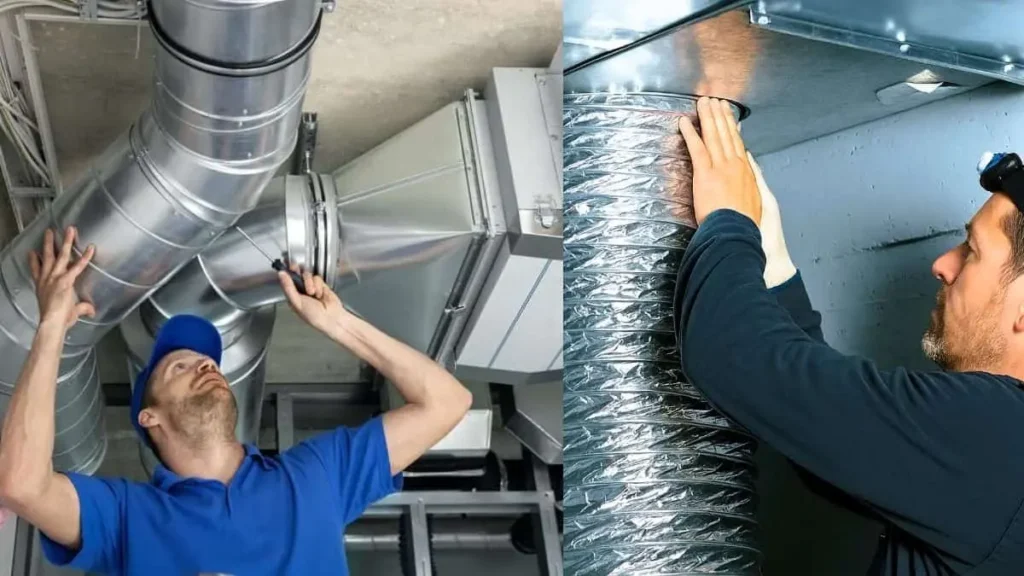
When the air conditioning cools the downstairs but not upstairs, ductwork problems often cause the issue. Ductwork inspection and repair play a key role in fixing uneven cooling. Ducts carry cooled air throughout the home. If they have leaks, disconnects, or design flaws, the air may not reach every room properly. Checking ducts helps find hidden problems that stop air from reaching upstairs rooms. Repairing or adjusting ducts improves airflow and balances the temperature between floors.
Leaks And Disconnects
Leaky or disconnected ducts let cool air escape before it reaches upstairs rooms. This loss reduces airflow and makes upstairs warmer than downstairs. Common signs of leaks and disconnects include:
- Warm air blowing from upstairs vents
- Increased energy bills
- Visible gaps or holes in duct seams
- Dust or debris near duct joints
Technicians use tools like smoke pencils or pressure gauges to find leaks. Small holes can be sealed with special duct tape or mastic sealant. Larger breaks may need new duct sections installed. Even a tiny gap can waste a lot of cool air over time.
| Common Leak Locations | Repair Method | Effect on Cooling |
| Duct joints and seams | Sealant or tape | Restore airflow and pressure |
| Disconnected duct sections | Reconnect or replace ducts | Prevent air loss and improve delivery |
| Cracks in ducts | Patch with mastic sealant | Stop cool air leaks |
Fixing leaks and disconnects saves energy and ensures cooled air reaches upstairs rooms. It balances the temperature across floors and improves comfort.
Improper Sizing Or Design
Ducts that are too small, too large, or poorly designed cause uneven cooling. Improper sizing limits airflow upstairs or causes pressure issues. Poor design leads to blocked or long duct runs that reduce air delivery.
Signs of improper sizing or design include:
- Weak airflow from upstairs vents
- Noise from ducts or vents
- Rooms that never feel cool
- High energy use despite running AC
Proper duct design considers:
- Size of each room
- Length and shape of duct runs
- Number and placement of vents
- Airflow volume needed for comfort
| Issue | Cause | Solution |
| Undersized ducts | Restricts airflow to upstairs | Replace or add ducts of correct size |
| Oversized ducts | Air moves too slowly, poor pressure | Install dampers or redesign ducts |
| Long duct runs | Air cools before reaching upstairs | Shorten runs or add booster fans |
Correct sizing and design make sure air reaches all rooms evenly. Adjusting ducts or adding components like dampers improves airflow and upstairs cooling.
Balancing The Air Conditioning System
When the air conditioning works well downstairs but not upstairs, the problem often lies in the balance of the system. Balancing the air conditioning system means adjusting how cool air flows through different parts of your home. Without balance, some rooms get too cold, while others stay warm and uncomfortable. A well-balanced system spreads air evenly, improving comfort and energy use.
Adjusting Dampers
Dampers are small doors inside the ductwork that control airflow to different rooms. By adjusting dampers, you can direct more cool air upstairs and less downstairs. This simple step can fix uneven cooling without big repairs.
Here are key points about adjusting dampers:
- Locate the dampers: Usually found where ducts split, near the air handler.
- Use a screwdriver: Most dampers turn with a handle or lever.
- Close or open: Partially close dampers to rooms that are too cold, open more to warm areas.
- Adjust gradually: Small changes work best; test the temperature after each change.
- Check airflow: Use your hand to feel if more or less air is coming out of vents.
Professional Air Balancing
Sometimes, adjusting dampers is not enough. A professional air balancing service can help. Experts use special tools to measure airflow and temperature. They make precise adjustments to your system for even cooling.
Professional air balancing includes:
- Inspecting the system: Checking ductwork, vents, and equipment condition.
- Measuring airflow: Using devices like anemometers to see how much air flows through vents.
- Testing temperatures: Checking room temperatures before and after adjustments.
- Adjusting dampers and vents: Fine-tuning airflow to balance cooling.
- Recommending repairs: Fixing leaks or blockages that reduce airflow.
Recommended: How to Fix Disconnected Air Duct
Insulation And Home Design Factors

Air conditioning may work well downstairs but struggle to cool the upstairs area. One major cause lies in insulation and home design factors. These elements affect how heat moves inside the house. Proper insulation and smart design help keep upstairs cooler and reduce the AC’s workload.
Heat Gain Through Windows
Windows play a big role in how much heat enters your home. Upstairs rooms often have more or larger windows exposed to direct sunlight. This causes significant heat gain, making those rooms warmer.
Key points about heat gain through windows:
- Sunlight heats glass, which warms the room inside.
- Dark or thin curtains let more heat through.
- Single-pane windows offer poor insulation.
- East and west-facing windows get intense sunlight during mornings and afternoons.
- Low-e coated windows can reduce heat entry.
Using blinds, curtains, or window films can reduce heat gain. Reflective window treatments block sunlight before it heats the glass. Sealing window gaps also stops hot air from entering upstairs rooms.
Attic Insulation Importance
The attic acts like a barrier between the hot roof and your living space. Poor attic insulation lets heat flow down into the upstairs rooms. This raises the indoor temperature and causes the AC to work harder.
Benefits of good attic insulation:
- Reduces heat transfer from roof to rooms below.
- Keeps upstairs cooler during hot days.
- Improves overall energy efficiency of the home.
- Reduces AC electricity usage and costs.
- Prevents hot air buildup in the attic space.
Common attic insulation materials include fiberglass, cellulose, and spray foam. Each has different R-values, which measure insulation effectiveness. Higher R-values mean better resistance to heat flow.
Typical R-values for attic insulation:
| Material | R-Value per Inch | Notes |
| Fiberglass Batts | 2.9 – 3.8 | Common, easy to install |
| Cellulose | 3.2 – 3.8 | Good coverage, eco-friendly |
| Spray Foam | 6.0 – 7.0 | Seals gaps, best insulation |
Proper attic ventilation also helps by removing hot air from the space. Combining insulation with ventilation creates a cooler attic and lowers upstairs temperatures.
Conclusion
Cooling problems upstairs can have many causes. Check vents, filters, and thermostat settings first. Sometimes, air ducts may need cleaning or repair. Balancing the airflow helps cool both floors evenly. Regular maintenance keeps your system working well. Don’t wait too long to fix issues.
Comfortable air throughout your home makes life better. Stay aware and act early for smooth cooling all year.