
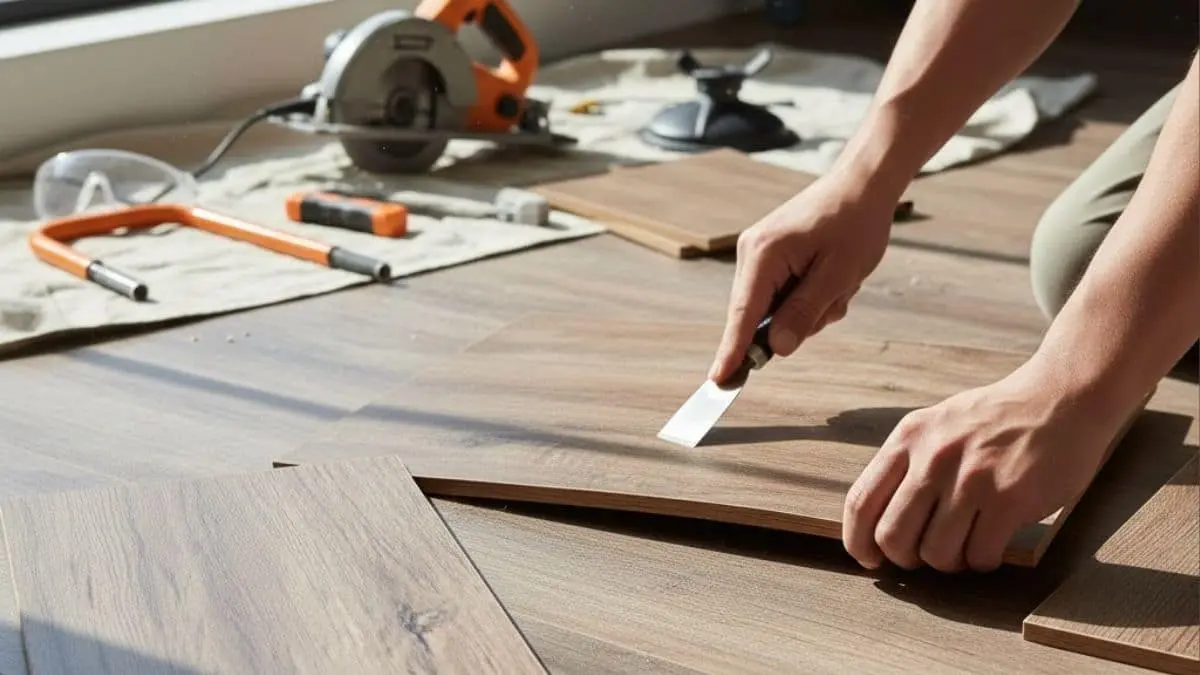
Is your laminate floor starting to buckle and look uneven? You’re not alone, and the good news is that you don’t have to replace the entire floor to fix it.
Buckling can happen for a few common reasons, but with the right steps, you can restore your floor’s smooth, beautiful finish. In this guide, you’ll learn simple and effective ways to stop the buckling and keep your floor looking great.
Causes Of Buckling
Buckling in laminate floors happens when the planks lift or warp upward. This issue makes floors look uneven and can cause damage. The most common causes include moisture, improper installation, and problems with the subfloor.
Moisture Issues
Moisture is the leading cause of laminate floor buckling. Laminate is made of wood-based materials that absorb water easily. When water seeps into the floor, it causes swelling and warping.
- Spills and leaks: Water from spills or leaking pipes can soak into the laminate.
- High humidity: Rooms with high humidity make the floor absorb moisture from the air.
- Poor ventilation: Lack of airflow traps moisture under the floor.
- Flooding: Flood water can cause severe damage to laminate floors.
Improper Installation
Installing laminate floors incorrectly causes buckling. The floor needs space to expand and contract with temperature and humidity changes. Without this space, the planks push against walls or each other, causing buckling.
Common installation mistakes include:
- No expansion gap: Leaving no gap around edges traps the floor tightly.
- Using wrong underlayment: The wrong material can trap moisture or cause uneven support.
- Uneven laying: Misaligned planks or uneven pressure on joints create stress points.
Subfloor Problems
The subfloor is the surface beneath the laminate. Problems here cause uneven support and moisture issues, leading to buckling.
Key subfloor issues include:
- Uneven surfaces: Bumps or dips make laminate planks bend or lift.
- Moisture in subfloor: Concrete or wood subfloors can hold water, which moves up into the laminate.
- Weak or damaged subfloor: Soft spots or rot reduce support, causing movement.
Assessing The Damage
Assessing the damage is the first step in fixing laminate floors that buckle. It helps you understand how bad the problem is and what you need to do next. Careful inspection prevents wasting time and money on the wrong fixes. You can decide if a small repair is enough or if parts of the floor need replacement.
Inspect The Buckled Area Closely
Look carefully at the floor where it is buckling. Check for:
- Height of the buckle: How much the floor has lifted from its original position.
- Length and width: How large the buckled area is.
- Number of affected planks: Count how many boards show signs of damage.
Use a ruler or tape measure for accuracy. This information helps in planning repairs.
Identify Possible Causes Of Buckling
Finding the cause stops the problem from returning. Common reasons include:
- Water damage from spills or leaks.
- Humidity changes causing wood to expand.
- Improper installation without enough space for expansion.
- Heavy furniture pressing down unevenly.
Note the cause to choose the right fix.
Check For Moisture Levels
Moisture is a big reason for laminate floor buckling. Test the floor with these methods:
- Visual check: Look for water stains or swelling.
- Touch test: Feel if the floor is damp or soft.
- Use a moisture meter: Measures moisture content inside the floor.
High moisture means you must dry the area before repairs.
Evaluate Subfloor Condition
The subfloor supports the laminate. Damage there worsens buckling. Check for:
- Soft or spongy spots under the laminate.
- Visible mold or mildew signs.
- Water damage or warping under the floor.
Damaged subfloor needs repair or replacement for lasting results.
Tools And Materials Needed
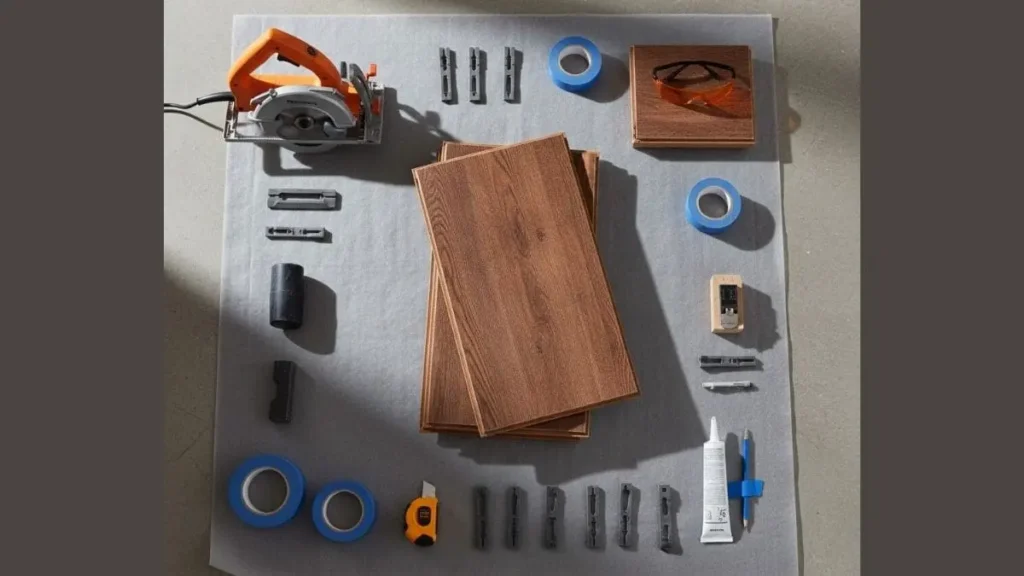
Fixing laminate floors that buckle requires the right tools and materials. Using proper supplies makes the repair easier and lasts longer. Prepare everything before starting the job. This saves time and prevents mistakes.
Essential Tools For Repairing Buckled Laminate Floors
- Rubber Mallet: Helps gently tap planks back into place without damage.
- Pull Bar: Useful for pulling planks tightly together.
- Tapping Block: Protects floor edges when tapping planks.
- Utility Knife: Cuts damaged planks or underlayment cleanly.
- Measuring Tape: Measures gaps and plank sizes accurately.
- Level: Checks if the floor is even after repair.
- Moisture Meter: Detects moisture causing the buckling.
Materials Needed To Fix Buckled Laminate Floors
| Material | Purpose |
| Replacement Laminate Planks | Swap out damaged or swollen boards. |
| Underlayment | Provides cushioning and moisture barrier. |
| Wood Glue or Laminate Adhesive | Secures loose planks or joints. |
| Floor Cleaner | Removes dirt before and after repair. |
| Wood Filler | Fills small gaps or cracks in planks. |
Safety Gear To Protect Yourself
- Gloves: Prevent cuts and splinters.
- Knee Pads: Comfort while kneeling during repair.
- Safety Glasses: Protect eyes from debris.
- Dust Mask: Avoid breathing dust or particles.
Step-by-step Repair Process
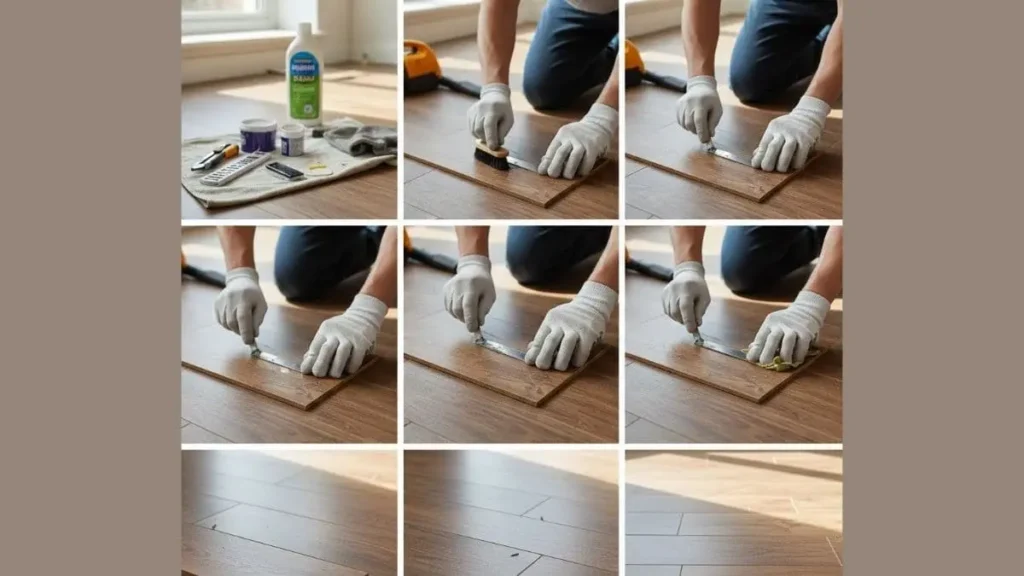
Fixing laminate floors that buckle requires a clear and careful approach. The step-by-step repair process helps restore your floor’s smooth look and prevents further damage. Each step focuses on repairing the problem safely and correctly. Follow these instructions to bring your floor back to life.
Removing Damaged Planks
Start by identifying which planks have buckled or lifted. These damaged planks must be removed carefully to avoid harming the surrounding floor.
- Clear the area: Move furniture and rugs away from the damaged section.
- Remove baseboards or trim: Use a pry bar to gently lift baseboards near the damaged planks.
- Cut the damaged planks: Use a circular saw or jigsaw set to the plank thickness. Cut along the length of the plank to remove it in sections.
- Lift the plank pieces: Use a flat pry bar or chisel to carefully lift out the cut pieces.
- Clean the edges: Remove any glue or debris left on the subfloor or adjacent planks.
Take care not to damage the tongue-and-groove edges of the neighboring planks. This allows new boards to fit tightly. Keep all removed plank pieces aside; you may need to reuse or measure them.
Drying And Preparing The Subfloor
Drying and preparing the subfloor is critical to stop future buckling. Moisture under the floor causes the laminate to swell and lift.
- Check for moisture: Use a moisture meter to test the subfloor. High readings mean the floor is not dry enough.
- Remove moisture sources: Fix leaks, improve ventilation, or use a dehumidifier to lower humidity.
- Dry the subfloor: Allow at least 24-48 hours for the subfloor to dry completely.
- Clean the surface: Sweep and vacuum any dust or debris before installing new boards.
- Level the subfloor: Use a leveling compound on uneven spots to create a flat surface.
Proper subfloor preparation ensures the new laminate planks lay flat and stay secure. Ignoring this step may cause buckling to return.
Installing New Laminate Boards
Installing new laminate boards requires precision for a smooth, lasting finish.
- Acclimate the boards: Let the new planks sit in the room for 48 hours to adjust to temperature and humidity.
- Apply underlayment: Lay down an underlayment if the old one is damaged or missing. This cushions the floor and controls moisture.
- Position the first plank: Start at a corner or along the longest wall. Leave a 1/4-inch expansion gap between planks and walls.
- Lock planks together: Use the tongue-and-groove system to click planks tightly. Tap gently with a rubber mallet if needed.
- Cut planks to fit: Measure and trim planks at edges or around obstacles using a saw.
- Install remaining planks: Continue across the floor, keeping gaps consistent and boards snug.
- Replace baseboards: Reattach the baseboards or trim, covering expansion gaps.
Check the floor regularly for any signs of lifting during installation. A flat, secure surface means the repair succeeded.
Recommended: Can You Nail Down Laminate Flooring
Preventing Future Buckling
Preventing future buckling in laminate floors is crucial for keeping your flooring strong and smooth. Buckling happens when the floor expands or contracts too much. This can cause the boards to lift or warp. Taking steps to stop this from happening again saves time and money later. Below are key ways to protect your laminate floor from buckling.
Proper Acclimation Of Laminate Flooring
Let the flooring adjust to the room’s temperature and humidity before installation. Store the laminate planks in the room where they will be laid for at least 48 hours. This helps the boards expand or shrink naturally.
- Keep boxes unopened during acclimation.
- Maintain room temperature between 60-80°F (15-27°C).
- Avoid high humidity or very dry air in the room.
Maintain Consistent Indoor Humidity Levels
Laminate floors react to moisture in the air. Keep indoor humidity between 30% and 50% to prevent the boards from swelling or shrinking. Use these tools to control humidity:
| Tool | Purpose |
| Humidifier | Adds moisture in dry conditions |
| Dehumidifier | Removes excess moisture in humid conditions |
| Thermostat with humidity control | Monitors and adjusts humidity levels |
Leave Expansion Gaps Around The Room
Laminate floors need space to expand and contract. Always leave a 1/4 inch to 1/2 inch gap between the floor and walls or fixed objects. This gap prevents buckling by giving boards room to move.
- Use spacers during installation to maintain the gap.
- Cover gaps with baseboards or molding for a clean look.
- Check gaps regularly for signs of shrinking or swelling.
Proper Subfloor Preparation
A flat and dry subfloor keeps laminate flooring stable. Check the subfloor for moisture and unevenness before installation. Fix any issues to avoid floor movement that causes buckling.
- Use a moisture barrier if installing over concrete.
- Level the subfloor using a leveling compound if needed.
- Clean the subfloor thoroughly to remove dirt and debris.
Conclusion
Fixing laminate floors that buckle takes patience and care. Start by finding the cause of the problem. Remove any moisture or pressure causing the buckling. Gently lift the affected boards and let them dry if wet. Replace damaged planks if needed.
Leave space around edges to allow floor movement. Regularly check your floors to prevent future issues. Small repairs now save big costs later. Keep your floors strong and looking good for years. Simple steps make a big difference in floor care.