
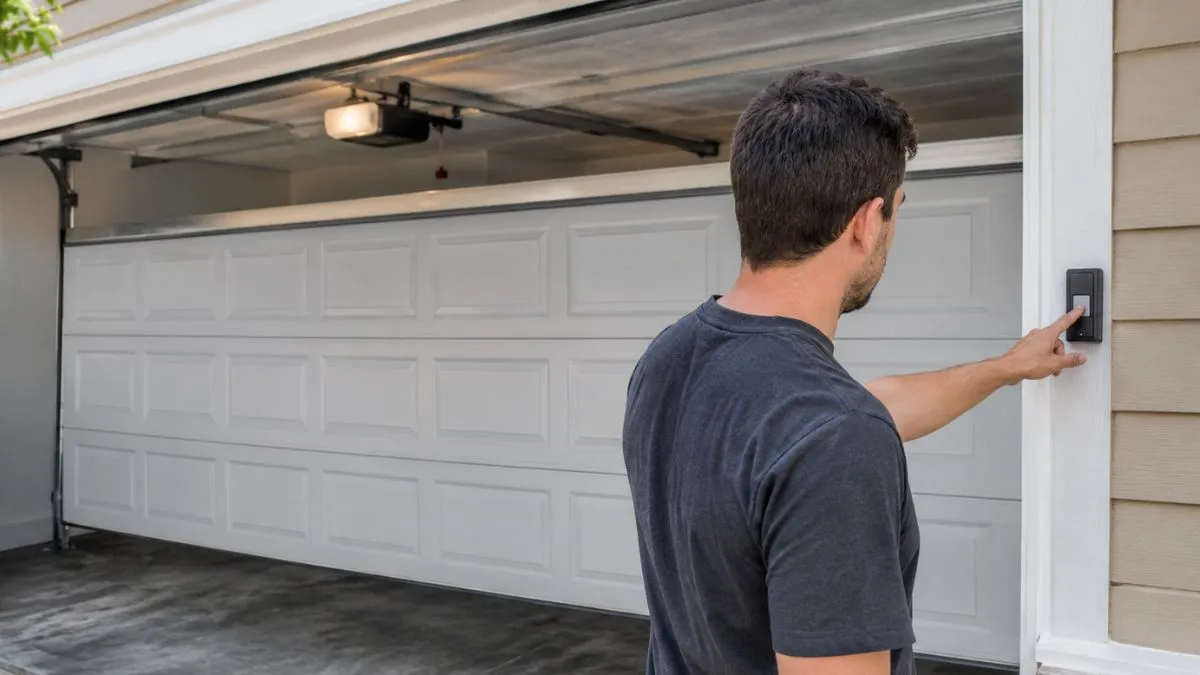
A garage door that suddenly stops working can create immediate problems. Many homeowners use the garage as the primary entrance to the home, so a garage door stuck closed can affect security, daily routines, and vehicle access.
Most garage door problems come from a small group of issues. Power failures, blocked safety sensors, broken springs, damaged tracks, and opener malfunctions are among the most common causes. Some problems are simple enough for DIY troubleshooting, while others require professional repair because of safety risks.
This guide explains why a garage door won’t open, how to identify the problem, and what steps can help restore normal operation safely.
Why Is My Garage Door Not Opening? Common Causes Explained
Garage doors depend on several moving and electrical components working together. A failure in one area can prevent the entire system from operating correctly.
Power Supply Problems
A garage door opener cannot function without power. In many cases, the issue starts with the electrical supply rather than the door itself.
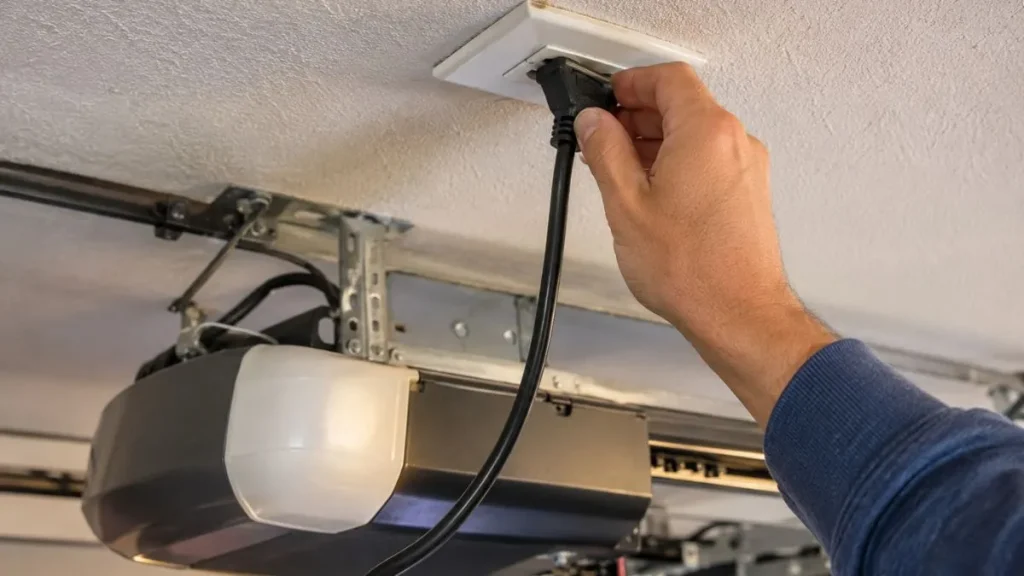
Start by checking whether the opener is plugged into the wall outlet. Vibrations from daily operation can sometimes loosen the plug over time. If the opener remains unresponsive, inspect the home’s electrical panel for a tripped breaker or blown fuse.
Power outages also prevent automatic garage doors from opening. Many newer systems from brands like LiftMaster and Chamberlain include battery backup systems that allow temporary operation during outages. Older openers usually stop working completely until electricity returns.
Storms can create additional electrical problems. Voltage surges may damage the opener’s logic board or internal wiring. A report from the Electrical Safety Foundation International noted that household electronics connected during power surges can experience immediate circuit damage. Signs of opener surge damage include flashing lights, humming sounds, or wall switches that stop responding.
Garage Door Remote or Keypad Not Working
Remote controls and wireless keypads are common failure points because they rely on batteries, signal transmission, and programming.
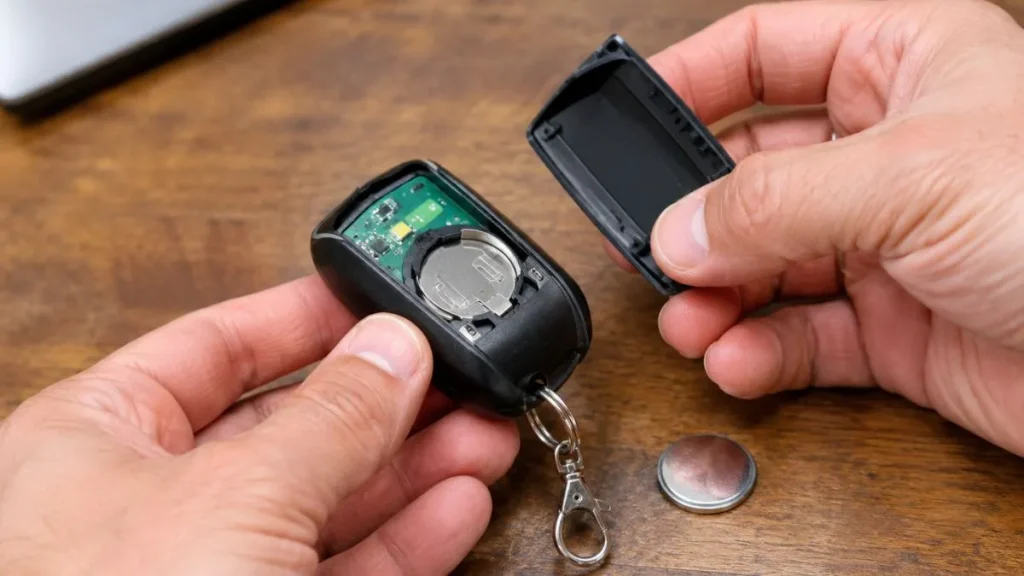
Dead batteries are often the simplest explanation when a garage door remote stops working. Replacing the battery may restore operation immediately. Most remotes use coin-cell batteries such as CR2032 models, while some older systems use A23 batteries.
Signal interference can also affect performance. LED light bulbs, Wi-Fi routers, and nearby electronic devices sometimes interfere with garage door frequencies. If the wall switch works but the remote does not, the issue is usually limited to the remote system rather than the opener itself.
Exterior keypads face additional wear from weather exposure. Rain, humidity, and temperature changes can damage internal circuits over time. A garage door keypad not working may need a battery replacement, code reset, or full replacement if the buttons become unresponsive.
Garage Door Sensor Problems
Modern garage doors use safety sensors to prevent accidents. These sensors sit near the bottom of the door tracks and communicate through an invisible infrared beam.
If the beam becomes blocked or interrupted, the garage door may stop moving or reverse direction automatically. Dirt, spider webs, leaves, and storage items near the sensor area commonly trigger this problem.
Sensor alignment is equally important. Even a slight shift in position can break the connection between the sensors. Most systems use small LED lights to indicate alignment status. A steady light usually means the sensors are functioning correctly, while blinking lights often signal a problem.
Direct sunlight can also interfere with older sensors during certain times of day. Some homeowners experience garage door not responding issues only during bright afternoon sunlight because the sensor beam becomes harder to detect.
Broken Garage Door Springs
Garage door springs support the weight of the door during opening and closing. When a spring breaks, the opener may no longer have enough force to lift the door safely.
Most residential garage doors use either torsion springs mounted above the door or extension springs installed along the side tracks. Torsion springs are more common in newer systems because they provide smoother and more controlled movement.
A broken garage door spring usually creates obvious warning signs. Many homeowners hear a loud snapping sound when the spring fails. The door may open only a few inches before stopping, or it may feel extremely heavy during manual lifting.
Garage doors can weigh between 130 and 400 pounds depending on size and material. Springs carry most of that load. Without proper spring tension, the opener motor faces excessive strain.
Spring replacement should not be treated as a standard DIY repair. Garage door springs remain under high tension and can cause serious injuries if handled incorrectly. The U.S. Consumer Product Safety Commission reports thousands of garage door-related injuries each year, many involving spring systems.
Garage Door Off Track or Track Obstruction
Garage door tracks guide the rollers during movement. If the tracks become bent, blocked, or misaligned, the door may stop operating properly.
Small obstructions can create major movement problems. Dirt buildup, loose hardware, tools, or debris inside the track can prevent smooth operation. In colder climates, ice buildup along the bottom seal may also keep the door stuck closed.
A garage door off track often moves unevenly or appears crooked during operation. Grinding noises, jerking movement, and gaps between the rollers and tracks usually indicate alignment problems.
Track damage should be addressed quickly. Continued operation can place extra stress on rollers, hinges, cables, and opener components.
Garage Door Motor Running but Door Not Opening
Some homeowners notice that the opener motor runs normally while the garage door stays in place. This usually points to a disconnected lifting system rather than a power failure.
The emergency release cord is one possible cause. This red cord disconnects the garage door from the opener during emergencies or power outages. If the trolley disconnects accidentally, the opener motor may continue running while the door remains stationary.
Internal opener damage can create similar symptoms. Older garage door openers sometimes develop stripped nylon gears or worn drive systems. In these situations, the motor produces a humming noise, but the internal components no longer transfer force to the door.
Belt-drive and chain-drive openers can also experience wear after years of heavy use. Replacing internal gears may restore operation if the motor itself remains functional.
Quick DIY Garage Door Troubleshooting Steps
Basic troubleshooting can help identify whether the problem is electrical, mechanical, or related to the opener itself.
Check the Power Source First
Start with the simplest possibility. Confirm that the opener is plugged in and receiving electricity. Test the outlet with another device such as a lamp or phone charger. If the outlet is dead, inspect the circuit breaker panel.
Some garage door systems stop responding after power interruptions and may require a reset. Disconnecting power for a short period can sometimes clear temporary electronic glitches.
Test the Remote and Wall Switch
Test both controls separately to narrow down the issue. If the wall switch works but the remote does not, the problem usually involves the remote battery, signal interference, or programming.
If neither control works, the opener may lack power or the internal electronics may have failed.
Many homeowners accidentally activate the vacation lock feature on the wall console. This setting disables remote operation for security purposes. Turning the lock mode off may restore normal function immediately.
Inspect the Safety Sensors
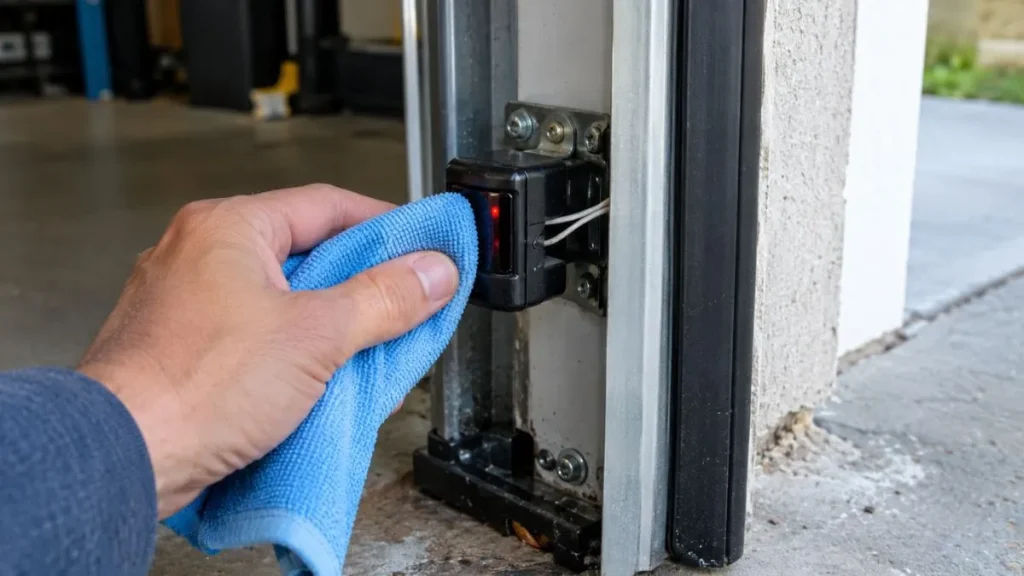
Garage door safety sensors should face each other directly without obstruction.
Clean the sensor lenses gently with a microfiber cloth and inspect the brackets for looseness or shifting. Sensor lights should remain solid rather than blinking.
Damaged sensor wiring can also interrupt communication. Wires near the lower portion of the garage are especially vulnerable to impact damage from tools, bicycles, or storage containers.
Use the Emergency Release for Manual Testing
The emergency release cord helps determine whether the problem comes from the opener or the door itself.
Pull the release cord while the garage door remains fully closed. Then attempt to lift the door manually. A properly balanced garage door should move smoothly and stay partially open without falling.
A heavy or difficult-to-lift door usually points to broken springs, damaged tracks, or cable issues.
Inspect Tracks, Rollers, and Hinges
Rollers, hinges, and tracks experience constant movement and gradual wear.
Steel rollers generally last longer but create more operational noise. Nylon rollers operate more quietly but may crack over time, especially in colder climates.
Check for bent tracks, loose mounting brackets, rust buildup, or damaged rollers. Garage door lubricant designed for moving metal parts can reduce friction and noise. Silicone-based and lithium-based lubricants typically work best for garage door systems.
Reset the Garage Door Opener
Garage door opener resets can solve programming or communication issues.
Many LiftMaster garage door troubleshooting procedures involve pressing and holding the learn button to erase stored remote codes before reprogramming the system. Chamberlain garage door opener issues may also involve travel limit adjustments or sensor calibration settings.
Smart garage door openers connected to Wi-Fi networks may require app reconnection after resets or power outages.
Why Does My Garage Door Open Halfway Then Stop?
A garage door that opens halfway and stops usually encounters resistance or travel limit problems.
Travel limit settings control how far the opener allows the door to move. Incorrect calibration may cause the opener to stop prematurely or reverse direction before reaching the fully open position.
Damaged rollers and bent tracks can also create enough resistance to interrupt movement. If the opener senses excessive strain, it may stop automatically to protect the motor.
Overheating is another possible cause. Garage door motors include thermal protection systems designed to prevent internal damage. Frequent operation during hot weather may temporarily shut the system down until the motor cools.
Why Is My Garage Door Not Closing Properly?
Garage doors that refuse to close usually have sensor-related issues.
Safety sensors are designed to stop the door if something blocks the path. Misalignment, dirt buildup, or damaged wiring may cause the opener to interpret the situation as an obstruction even when the path is clear.
Objects near the floor can also trigger automatic reversal. Small tools, leaves, toys, or uneven concrete surfaces sometimes interfere with the closing process.
Incorrect force settings may create additional problems. If the opener sensitivity is set too low, the system may reverse direction after detecting minor resistance. Higher force settings are not always the correct solution because excessive force can reduce safety performance.
Common Garage Door Problems That Require Professional Repair
Some garage door problems involve serious safety risks and should not be handled without training.
Broken garage door cables are one example. Cables help stabilize and lift the door evenly. A snapped cable may cause uneven movement or sudden door drops. Cable systems remain under heavy tension and require specialized tools for safe replacement.
Spring replacement also requires professional equipment and experience. Torsion springs can store enough force to cause severe injury during improper removal.
Electrical garage door problems sometimes involve damaged logic boards, burned capacitors, or faulty wiring. Professional technicians use voltage testing equipment to diagnose these issues safely.
Structural damage creates additional concerns. Steel garage doors may bend after vehicle impacts, while wooden doors can warp from long-term moisture exposure. Structural problems often affect balance, track alignment, and opener performance.
DIY Garage Door Troubleshooting vs Professional Repair
Some repairs are manageable for homeowners, while others involve significant mechanical risk.
Simple maintenance tasks such as replacing remote batteries, cleaning sensors, tightening loose hardware, and lubricating moving parts are generally safe for DIY troubleshooting.
Repairs involving springs, cables, track replacement, or opener motor disassembly should be left to trained technicians. Professional garage door repair companies use specialized tools designed for high-tension systems.
Repair costs vary depending on the severity of the issue and the garage door system type.
| Repair Type | Average Cost Range |
| Sensor replacement | $75–$200 |
| Remote replacement | $30–$80 |
| Spring replacement | $150–$400 |
| Cable replacement | $100–$250 |
| Track repair | $125–$350 |
| New garage door opener | $300–$800 |
Garage Door Maintenance Tips to Prevent Future Problems
Routine maintenance can prevent many common garage door problems and extend opener lifespan.
Monthly inspections help identify worn components before major failures occur. Homeowners should check springs, cables, rollers, hinges, and tracks for visible damage or unusual movement.
Lubrication also plays an important role in garage door performance. Springs, hinges, rollers, and bearings should receive garage door lubricant approximately every 6 months. Proper lubrication reduces friction, minimizes noise, and lowers strain on the opener motor.
Track cleanliness matters as well. Dust, debris, and small obstructions can interfere with smooth movement over time.
Garage door balance testing is another useful maintenance step. Disconnect the opener and lift the door halfway manually. A balanced door should remain in place without drifting upward or downward. An unbalanced system places extra stress on the opener and shortens component lifespan.
Signs You Need a New Garage Door Opener
Garage door openers typically last between 10 and 15 years depending on usage frequency and maintenance quality.
Frequent breakdowns often indicate aging internal components. Repeated repairs can eventually cost more than full replacement.
Noise levels may also increase as the opener wears out. Chain-drive systems usually operate louder than belt-drive openers, while grinding and humming sounds often point to internal gear damage.
Older garage door openers may lack important safety and convenience features. Many modern systems include rolling-code security, smartphone connectivity, battery backup systems, and motion-activated lighting.
Smart garage door openers also provide remote monitoring and control through mobile apps. A Statista smart home report found continued growth in connected home security and automation systems across residential properties.
How to Stay Safe When Troubleshooting a Garage Door
Garage doors combine heavy mechanical systems with electrical components and high-tension springs.
Spring systems should never be adjusted without proper training and equipment. Improper handling can cause sudden tension release and severe injuries.
Disconnecting opener power before inspection or maintenance reduces the risk of accidental movement. Battery backup systems should also be disconnected when possible.
Stop troubleshooting immediately if the garage door shows signs of broken springs, snapped cables, severe imbalance, or burning electrical odors. Continuing to operate a damaged garage door can increase repair costs and create additional safety hazards.
You May Read Also: Garage Door Light Flashes 5 Times
Conclusion
A garage door not opening usually points to a power issue, faulty sensor, damaged opener, broken spring, or track problem. Some issues can be solved with simple troubleshooting, while others require professional repair for safety reasons.
Regular inspections, lubrication, and sensor cleaning can prevent many common garage door problems before they lead to expensive repairs. Quick attention to unusual noises, slow movement, or uneven operation also helps extend the life of the garage door system.