
Is your window sliding down on its own and causing frustration? You’re not alone.
When a window won’t stay put, it can be annoying and even unsafe. But don’t worry—understanding why this happens and how to fix it is easier than you think. Keep reading, and you’ll discover simple solutions that can save you time, money, and hassle.
Your windows will stay exactly where you want them, giving you peace of mind and comfort.
Common Causes
Windows that keep sliding down can cause annoyance and safety concerns. Understanding the common causes helps fix the problem quickly. Several mechanical parts work together to hold a window in place. When one part fails, the window may not stay open. This section covers the main reasons why windows slide down unexpectedly.
Worn Out Window Balances
Window balances help hold the sash in place when you open the window. Over time, these balances wear out or lose tension. This wear causes the window to slide down by itself.
Types of window balances include:
- Tilt balances: Common in modern windows, use springs or coils.
- Spiral balances: Use a spiral rod to provide tension.
- Block and tackle balances: Use a pulley system to hold the sash.
Signs of worn out balances:
- Window sash falls quickly after opening.
- Window feels heavy or hard to lift.
- Visible damage or rust on balance parts.
Replacing worn balances restores smooth window operation. Check the type of balance before buying replacements.
| Balance Type | Common Lifespan | Replacement Cost |
| Tilt balances | 5-10 years | Moderate |
| Spiral balances | 7-12 years | Low to Moderate |
| Block and tackle | 10+ years | Higher |
Damaged Tracks Or Rails
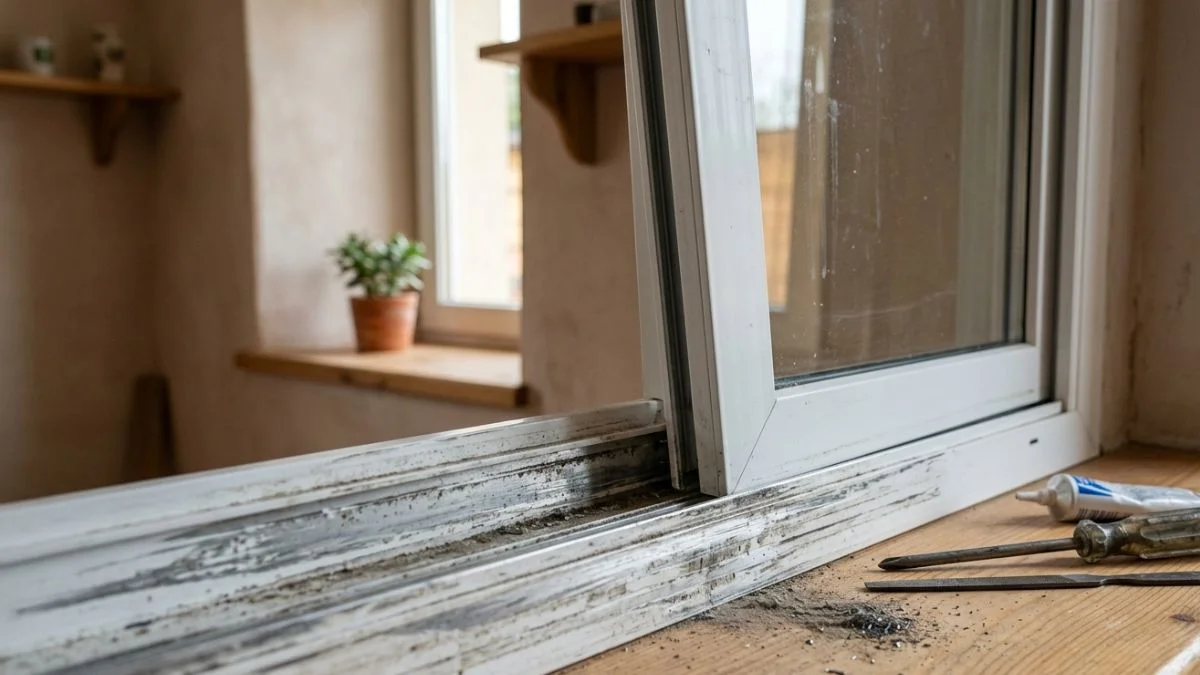
The window sash moves along tracks or rails inside the frame. Dirt, debris, or damage in these tracks can stop the window from staying open. Damaged tracks cause the sash to slip down unexpectedly.
Common problems with tracks include:
- Dirt buildup: Dust and grime make the window hard to slide.
- Bent or warped tracks: Physical damage blocks the sash.
- Corrosion or rust: Metal tracks can corrode over time.
Cleaning tracks regularly prevents dirt buildup. Inspect the tracks for dents or rust. Minor damage can be fixed with light sanding or bending back into shape.
Track issues can also cause noise or rough movement. Lubricate tracks with silicone spray for smooth sliding.
| Track Problem | Effect on Window | Suggested Fix |
| Dirt buildup | Sluggish sliding | Clean with brush and vacuum |
| Bent track | Window sticks or falls | Careful bending or replacement |
| Rust | Rough movement, damage | Remove rust, repaint, or replace |
Loose Or Broken Cords
Many windows use cords inside the frame to balance the sash weight. These cords connect to springs or weights. If cords become loose or break, they can no longer support the sash. The window then slides down freely.
Signs of cord problems include:
- Window sash falls suddenly.
- Visible frayed or broken cords inside the frame.
- Difficulty lifting the window smoothly.
Fixing cords requires opening the window frame. This job may need professional help for safety. Replacing cords restores balance and prevents the window from sliding down.
Regular inspection helps catch cord problems early. Avoid forcing the window if it feels heavy or uneven.
Misaligned Window Frame
A window frame out of alignment affects how the window stays in place. Warped or shifted frames cause the sash to slip or not close properly. Misalignment can result from building settling or damage.
Common signs of a misaligned frame:
- Window sash does not sit squarely in the frame.
- Gaps between sash and frame.
- Window sticks or falls unexpectedly.
Check frame alignment by closing the window slowly. Look for uneven gaps or resistance. Adjusting or repairing the frame can fix the problem. Sometimes, weatherstripping or shims help realign the sash.
Severe misalignment may require professional repair to avoid further damage.
Diagnosing The Problem
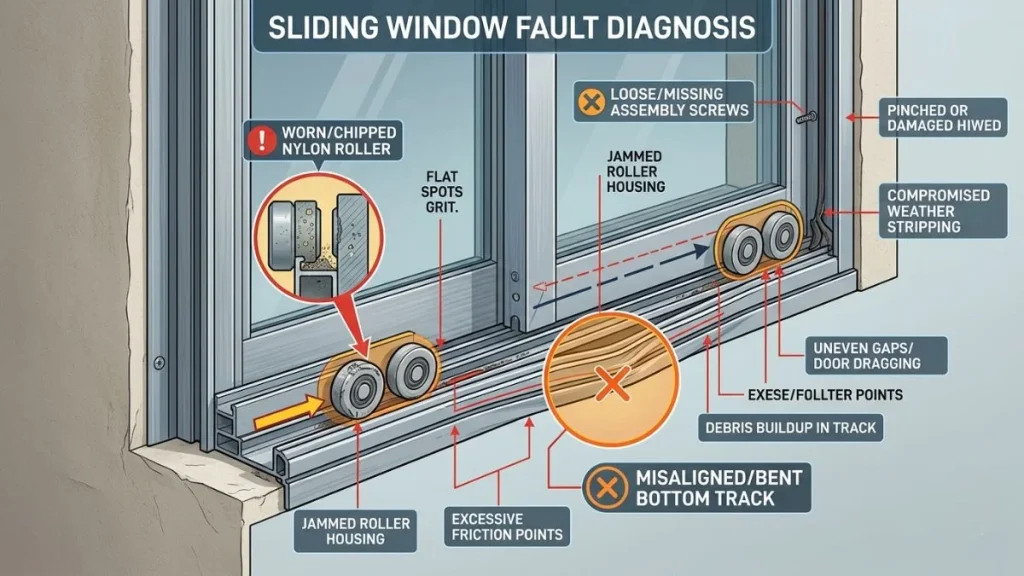
Windows that keep sliding down can cause safety and comfort problems at home. Diagnosing the problem early saves time and money. Start by checking the main parts of the window, how it moves, and any visible damage. This step-by-step approach makes the process clear and simple.
Inspecting Window Components
Begin by looking closely at the main parts of the window. These parts work together to hold the window in place and allow it to move smoothly.
- Window sash: The part of the window that slides up and down.
- Balance system: Springs, weights, or friction devices that keep the window from falling.
- Tracks and guides: Channels that guide the sash as it moves.
- Locks and latches: Devices that secure the window when closed.
Check each part for proper fit and function. A loose or broken balance system often causes the window to slide down. Look for signs like worn springs or missing weights. Clean any dirt or debris in the tracks, as these can block smooth movement. Use a flashlight for better visibility inside narrow tracks and corners.
| Component | What to Check | Possible Issues |
| Window sash | Fit and alignment | Warping or misalignment |
| Balance system | Condition and tension | Broken springs, missing weights |
| Tracks and guides | Cleanliness, smoothness | Dirt buildup, damage |
| Locks and latches | Functionality | Broken or loose parts |
Testing Window Movement
Next, test how the window moves. This step helps find if the problem is mechanical or caused by damage.
- Open the window slowly and watch for smooth movement.
- Try to stop the window at different heights.
- Notice if it slides down quickly or gets stuck.
- Check if the window stays in place when released.
Use gentle force. Do not slam or force the window, which can cause more damage. If the window falls down suddenly, the balance system likely fails. If it sticks or moves unevenly, the tracks or guides may be dirty or bent.
Test both sides of the window if possible. Sometimes one side works better than the other. This can point to uneven wear or damage.
| Test | What to Look For | Possible Cause |
| Window slides down quickly | Falls suddenly when released | Broken balance system |
| Window sticks or jams | Hard to move or uneven movement | Dirty or bent tracks |
| Window stays in place | Holds position without slipping | Balance system working well |
Identifying Visible Damage
Look for clear signs of damage on the window frame and sash. Damage can cause poor function and safety risks.
Common visible issues include:
- Cracks or splits in the frame or sash wood.
- Bent or warped tracks that block movement.
- Broken or missing hardware such as screws, locks, or balances.
- Water damage or rot on wooden parts.
Use a flashlight to check hard-to-see areas. Tap the wood gently with a screwdriver handle. A hollow sound may mean rot inside. Rust or corrosion on metal parts can weaken the balance system and locks.
Take notes or photos of any damage. This helps decide if parts can be repaired or need replacement.
Recommended: Can You Remove Window Grids between Glass?
DIY Fixes
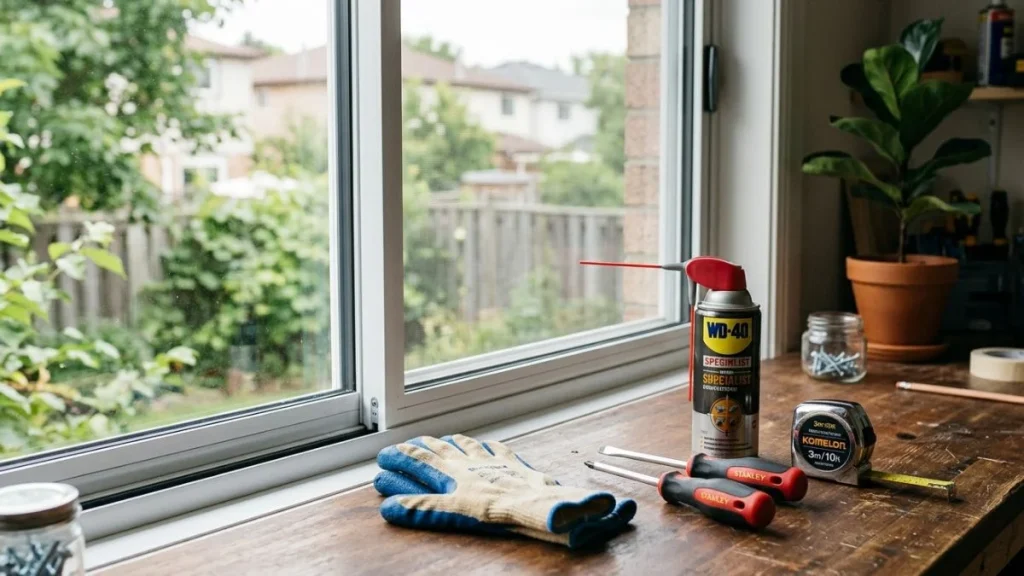
Windows that slide down on their own can be frustrating and unsafe. Many times, this happens because of worn-out parts or loose fittings. DIY fixes offer a simple way to stop this problem without calling a professional. With some basic tools and easy steps, you can restore your window’s smooth operation and keep it in place.
Replacing Window Balances
Window balances are the parts inside the window frame that help hold the sash in place. They work like springs, balancing the weight of the window so it stays open. If your window keeps sliding down, the balances may be broken or worn out.
To replace window balances:
- Remove the window sash: Carefully lift and tilt the window out of the frame.
- Identify the balance type: Common types include spiral, block and tackle, or channel balances.
- Buy the correct replacement: Match the size and type exactly for best results.
- Remove the old balances: Unscrew or unclip them from the window frame.
- Install the new balances: Attach them securely in the same place.
- Reinstall the window sash: Place it back and test the movement.
Tips for success:
- Wear gloves to protect your hands.
- Work slowly to avoid damaging the frame.
- Use a screwdriver or drill for screws.
Lubricating Tracks
Dirty or dry window tracks create friction, causing the window to slide down. Cleaning and lubricating these tracks helps the window move smoothly and stay in place.
Steps to lubricate window tracks:
- Open the window fully: Gives easy access to the tracks.
- Clean the tracks: Use a vacuum or brush to remove dust and debris.
- Wipe with a damp cloth: Remove sticky dirt or grime.
- Apply lubricant: Use a silicone spray or dry lubricant designed for windows.
- Move the window up and down: Spread the lubricant evenly along the tracks.
Use these tips for best results:
- Avoid oil-based lubricants. They attract dust and dirt.
- Wear gloves to keep your hands clean.
- Repeat every 6 months for smooth operation.
Proper lubrication reduces friction and stops the window from slipping down. It also extends the life of window parts by preventing wear and tear.
Adjusting Window Frame
Sometimes the window frame is misaligned or warped, causing the window to slide down. Adjusting the frame corrects this problem and improves window function.
How to adjust the window frame:
- Inspect the frame: Look for gaps, cracks, or loose parts.
- Use a level: Check if the frame is straight.
- Tighten loose corners: Use screws or brackets to secure the frame.
- Shim gaps: Insert small wooden or plastic shims to align the frame.
- Seal cracks: Use caulk to fill small gaps that affect window stability.
Keep these points in mind:
- Work slowly and check alignment often.
- Use a rubber mallet to gently tap parts into place.
- Wear safety glasses while adjusting.
A well-aligned frame supports the window sash properly. This prevents uneven pressure that causes sliding.
Tightening Screws And Hardware
Loose screws and hardware cause windows to become unstable. Tightening these parts strengthens the window’s hold and stops it from sliding down.
Follow these steps:
- Inspect screws and hardware: Check locks, latches, hinges, and balance attachments.
- Use a screwdriver: Tighten any loose screws carefully.
- Replace missing screws: Use screws of the same size and type.
- Check hardware condition: Replace rusty or broken parts.
- Test the window: Open and close to ensure secure fitting.
Helpful hints:
- Use a magnetic screwdriver to avoid losing screws.
- Keep spare screws handy for quick fixes.
- Don’t overtighten screws to avoid stripping.
Properly tightened hardware keeps the window in place and improves safety. This simple fix often solves sliding problems fast.
Conclusion
A window that slides down can cause many problems at home. Fixing it early saves time and money. Check the tracks and locks for dirt or damage. Tighten loose screws and replace broken parts. Keep the window clean and well-maintained.
Small fixes prevent bigger troubles later. A smooth sliding window makes your home safer and more comfortable. Take action soon to enjoy peace of mind. Easy steps can bring big improvements. Don’t wait for the problem to get worse.