

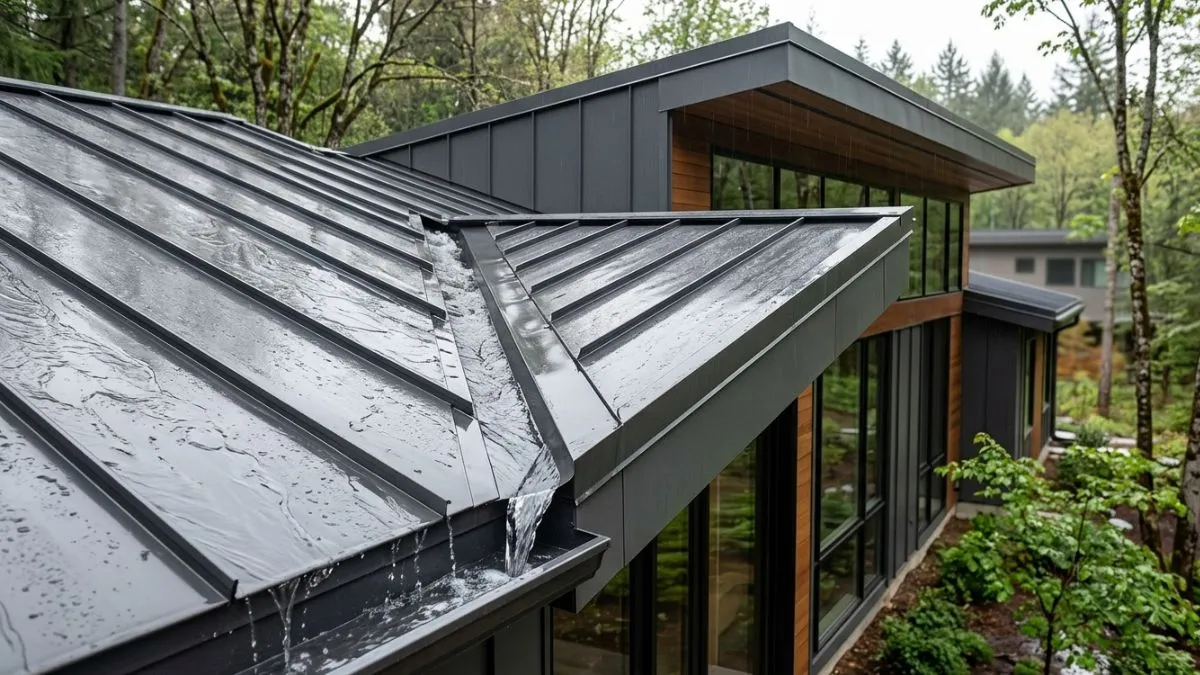
Is your roof valley causing water to pour down where you don’t want it? If you don’t have gutters, managing rainwater can feel like a constant battle.
A roof valley rain diverter no gutter setup might be the simple solution you need. It helps control water flow, protecting your home’s foundation and landscaping without the hassle of installing gutters. Keep reading to discover how this clever tool can save you time, money, and stress during every rainstorm.
Purpose Of Roof Valley Rain Diverters
Roof valleys are the areas where two roof slopes meet, creating channels that direct rainwater off the roof. A Roof Valley Rain Diverter No Gutter helps control this water flow without the need for traditional gutters. The main purpose of these diverters is to protect the roof and home by guiding water safely away from vulnerable areas.
This system is especially useful in places where gutters are not practical or desired. It keeps water from pooling or causing damage, making the roof last longer and reducing repair costs.
Preventing Water Damage
Water damage is one of the biggest risks for roofs without proper drainage. Roof valleys collect a lot of rainwater, which can cause leaks, rot, and mold if not managed well. A rain diverter stops water from spilling over the roof edge in uncontrolled ways.
Key ways roof valley rain diverters prevent water damage:
- Redirect water flow away from walls and foundations.
- Protect roof joints where leaks often start.
- Reduce erosion around the base of the house.
- Prevent pooling that can weaken roofing materials.
Without diverters, water can cause serious damage like:
| Damage Type | Effect |
| Wood Rot | Weakens roof structure |
| Mold Growth | Harms indoor air quality |
| Foundation Erosion | Leads to costly repairs |
Installing a roof valley rain diverter means less risk of these problems. It saves money and keeps the home safe.
Managing Roof Water Flow
Roof water flow needs careful control to avoid damage and maintain roof health. Rain diverters help manage this flow by guiding water along specific paths.
How roof valley rain diverters manage water flow:
- Collect water from the roof valley efficiently.
- Channel water away from areas without gutters.
- Prevent overflow that can damage walls and landscaping.
- Reduce water speed to minimize impact on surfaces.
Proper water management improves roof durability and home safety. It also makes maintenance easier by:
- Keeping water off walkways and doorways.
- Lowering the chance of ice dams in cold weather.
- Protecting plants and soil near the house.
Overall, roof valley rain diverters work quietly to direct water in a safe, controlled way. This simple tool keeps homes dry and roofs strong without the need for gutters.
Types Of Rain Diverters For Valleys
Roof valleys are critical areas where two roof slopes meet. These valleys collect a large volume of rainwater. Without gutters, managing this water becomes challenging. Rain diverters for valleys help control water flow and protect the roof structure. Various types of rain diverters exist to suit different roof designs and materials. Choosing the right diverter improves water drainage and prevents leaks or damage.
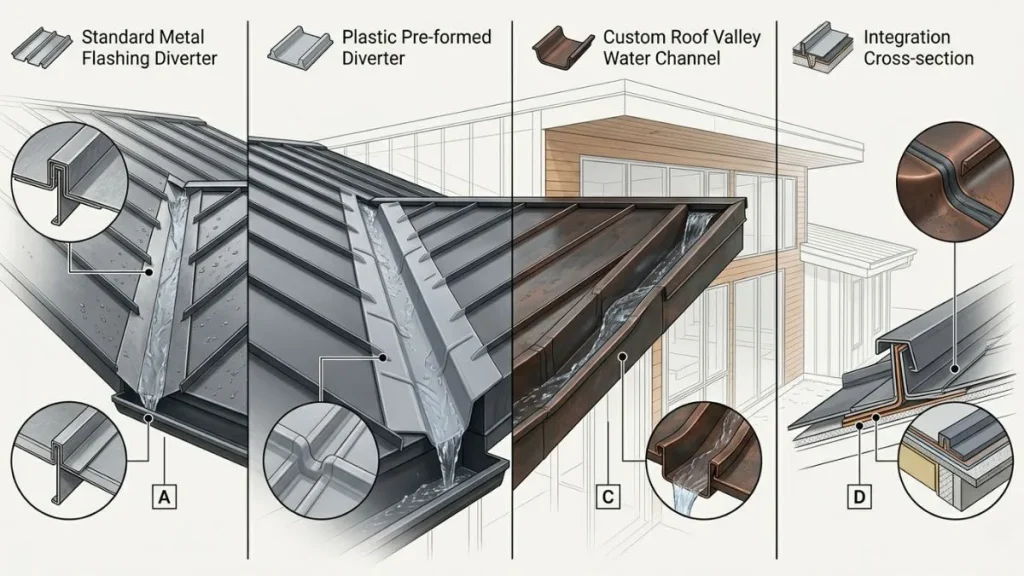
Metal Flashing Diverters
Metal flashing diverters are common for roof valleys without gutters. They are made from materials like aluminum, copper, or galvanized steel. These metals are strong and resist rust and corrosion. Metal flashing directs water down the roof and away from vulnerable areas.
Key benefits of metal flashing diverters:
- Durability: Lasts many years under harsh weather.
- Low maintenance: Requires little care once installed.
- Custom fit: Can be shaped to match roof angles.
Installation involves securing the flashing under shingles along the valley. The metal creates a smooth channel for water to flow. This reduces pooling and the risk of leaks. Below is a comparison of common metal types used for flashing:
| Metal Type | Advantages | Typical Lifespan |
| Aluminum | Lightweight, rust-resistant, affordable | 20-30 years |
| Copper | Highly durable, attractive patina over time | 50+ years |
| Galvanized Steel | Strong, cost-effective, but may rust eventually | 15-25 years |
Flexible Diverter Materials
Flexible diverters offer a versatile option for roof valleys without gutters. Made from rubber, plastic, or vinyl, these materials bend easily to fit complex roof shapes. They are less rigid than metal and can be installed quickly.
Advantages of flexible diverters include:
- Ease of installation: Can be cut and shaped on-site.
- Cost-effective: Usually cheaper than metal flashing.
- Waterproof: Creates a tight seal to prevent leaks.
Flexible diverters come in rolls or sheets. They attach directly to the roof surface with adhesive or fasteners. Their flexibility helps manage water flow in valleys with uneven or curved angles. Here is a quick overview of common flexible materials:
| Material | Benefits | Drawbacks |
| Rubber | Highly flexible, durable, UV resistant | May degrade over time in extreme sun |
| Plastic (PVC) | Lightweight, easy to clean, water-resistant | Less flexible, can crack in cold weather |
| Vinyl | Good flexibility, affordable, resistant to moisture | Can fade or become brittle after years |
Custom Fabricated Solutions
Custom fabricated rain diverters are made to fit unique roof valley designs. These solutions use materials and shapes tailored to specific needs. Custom fabrication ensures a perfect fit and optimal water flow control.
Reasons to choose custom solutions:
- Complex roof angles: Custom shapes cover unusual or steep valleys.
- Material matching: Use the same material as the roof for better appearance.
- Enhanced durability: High-quality fabrication improves lifespan.
Custom diverters may combine metal, rubber, or composite materials. Skilled roofers or fabricators measure the valley and create the diverter in a workshop. Installation involves precise fitting and sealing to prevent leaks.
These solutions work well for historic homes or roofs with special architectural features. Custom diverters maintain the roof’s look while managing rainwater efficiently. Their tailored design often offers better protection than standard options.
Installation Without Gutters
Roof valley rain diverters offer a smart solution to control water flow without the need for traditional gutters. Installing diverters without gutters reduces maintenance and simplifies water management on your roof. This method directs rainwater away from sensitive areas, protecting your home’s foundation and landscaping.
Positioning Diverters On Roof Valleys
Correct positioning of rain diverters is critical for effective water control. Diverters must be placed where two roof planes meet, in the valley area, to catch and redirect water flow properly. Start by identifying the lowest point of the valley since water naturally flows downhill.
- Measure the valley length to determine how many diverters are needed.
- Place diverters at intervals along the valley to break the water flow.
- Ensure diverters overlap slightly to prevent leaks between sections.
Use a chalk line to mark the exact placement before fixing the diverters. Position them so that water flows smoothly onto the diverter and then away from the house.
| Valley Length | Diverter Quantity | Spacing (feet) |
| 0-10 ft | 1-2 | 5-10 |
| 10-20 ft | 2-3 | 6-10 |
| 20+ ft | 3+ | 5-7 |
Sealing And Fastening Techniques
Proper sealing and fastening keep the diverters secure and watertight. Use roofing sealant along the edges of each diverter to prevent leaks. Apply the sealant before and after positioning the diverters for maximum protection.
Fasten the diverters with corrosion-resistant nails or screws. Follow these steps:
- Pre-drill holes to avoid damaging the roof material.
- Place fasteners every 6 to 8 inches along the diverter edges.
- Press the diverter firmly to ensure full contact with the roof surface.
- Apply a final bead of sealant over fastener heads to seal them.
Choose sealants compatible with your roof material, such as silicone or polyurethane. This prevents deterioration and keeps the diverters functional for years. Regularly inspect fasteners and reseal if needed to maintain performance.
Considerations For Different Roof Types
Roof type affects diverter installation methods and materials. Each roof type has unique features that influence water flow and diverter attachment.
- Asphalt Shingles: Easy to work with; use roofing nails and standard sealants.
- Metal Roofs: Use self-tapping screws and rubber washers to prevent leaks.
- Tile Roofs: Fragile tiles require careful placement; use clips or straps instead of nails.
- Wood Shakes: Use corrosion-resistant fasteners and flexible sealants to accommodate wood movement.
Consider the slope and texture of your roof. Steeper roofs may need additional fasteners or support to hold diverters in place. Smooth roofs require non-slip materials to avoid movement. Adapting installation to your roof type ensures longevity and effective water management.
Benefits Of Using Diverters Without Gutters
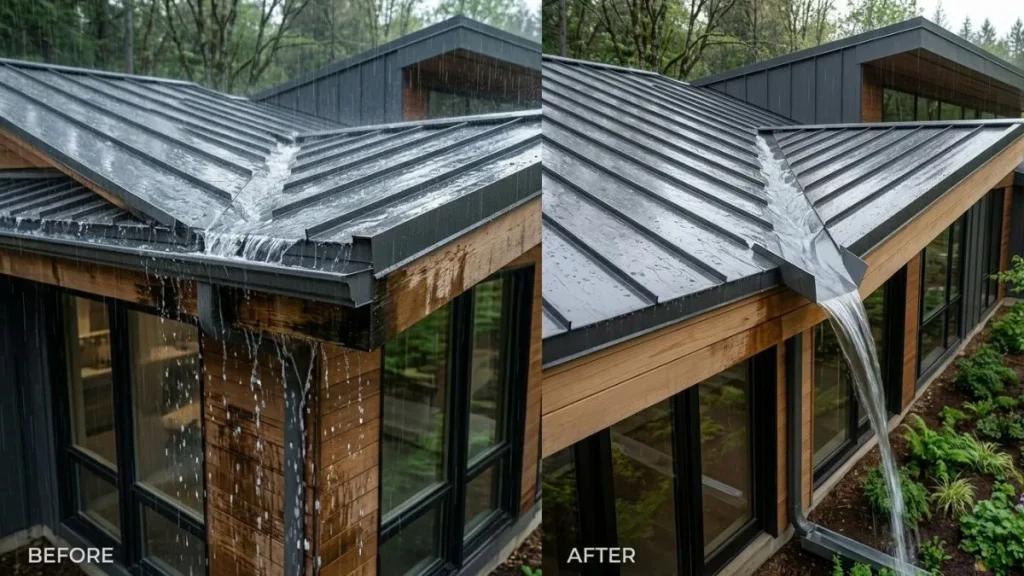
Roof valley rain diverters offer a smart solution for managing water flow on roofs without the need for traditional gutters. These diverters guide rainwater away from critical areas, preventing damage and keeping your home safe.
Reduced Maintenance Needs
One major advantage of using roof valley rain diverters without gutters is the lower maintenance required. Gutters often clog with leaves, dirt, and debris, leading to frequent cleaning. Diverters, in contrast, have fewer parts and simpler designs, which means less chance of blockages. This reduces the time and money spent on upkeep.
- No clogging issues: Diverters do not trap leaves like gutters do.
- Less cleaning: Occasional rinsing is usually enough.
- Fewer repairs: Simple structure means fewer breakdowns.
Maintenance tasks for gutters include:
| Task | Frequency | Difficulty |
| Cleaning debris | 2-4 times per year | Moderate |
| Repairing leaks | As needed | Variable |
| Checking for rust or damage | Annually | Easy to moderate |
Diverters eliminate many of these tasks, making roof care simpler and less costly.
Cost-effective Water Management
Using roof valley rain diverters without gutters saves money upfront and over time. Gutters require materials, professional installation, and regular maintenance. Diverters are cheaper to buy and easier to install. They direct water efficiently without the extra cost of a full gutter system.
Cost benefits include:
- Lower installation costs: No need for long gutter runs or downspouts.
- Reduced maintenance expenses: Less cleaning and repairs.
- Durability: Fewer parts to replace, lasting longer.
Below is a simple cost comparison example:
| Item | Gutters | Diverters |
| Initial purchase | $300 – $1000 | $50 – $150 |
| Installation | $200 – $500 | $0 – $100 (DIY possible) |
| Annual maintenance | $100 – $200 | Minimal |
Choosing diverters reduces water management costs while protecting the home.
Protecting Foundation And Landscaping
Proper water control helps protect a home’s foundation and landscaping. Roof valley rain diverters direct water away from walls and soil, preventing erosion and water damage. Without gutters, diverters control runoff to avoid puddles near the foundation, which can cause cracks or leaks.
Benefits include:
- Foundation safety: Prevents water buildup that weakens structure.
- Landscaping care: Reduces soil erosion and plant damage.
- Drainage control: Guides water to safe areas or drains.
Simple steps to protect your home with diverters:
- Install diverters along roof valleys to channel water.
- Ensure water flows away from the house foundation.
- Use splash blocks or gravel beds to absorb runoff.
These measures maintain yard health and preserve building integrity without gutters.
Common Challenges And Solutions
Roof valley rain diverters without gutters offer a simple way to guide water off your roof. These systems help protect your home’s foundation and walls by directing rainwater away. Still, they face some common challenges.
Handling Heavy Rainfall
Heavy rain can cause water to overflow or pool in roof valleys without gutters. This can lead to leaks or damage to your roof and walls. To manage heavy rainfall effectively, proper design and maintenance are essential.
- Ensure correct slope: The diverter must have a steep enough angle to guide water quickly.
- Use durable materials: Strong metals or plastics resist damage from constant water flow.
- Install splash guards: These prevent water from spilling over edges during storms.
Here is a simple table showing common issues and solutions for heavy rain:
| Issue | Cause | Solution |
| Water overflow | Shallow diverter angle | Increase slope for faster drainage |
| Water pooling | Poor installation or blocked path | Clear debris and adjust diverter position |
| Material damage | Weak or old materials | Replace with weather-resistant materials |
Regular inspection during rainy seasons helps spot problems early. Clear any blockages and check for damage after storms. This keeps your roof valley diverter ready to handle heavy rainfall.
Dealing With Ice And Snow
Ice and snow create unique challenges for roof valley rain diverters without gutters. Ice build-up can block water flow and cause damage. Snow adds weight and moisture that may harm the diverter over time.
- Apply ice melt strips: These prevent ice dams from forming on the roof valleys.
- Use heated cables: Installed along the diverter, they melt snow and ice efficiently.
- Choose flexible materials: Materials that expand slightly reduce cracking in freezing temperatures.
Follow these steps to protect your diverter during winter:
- Remove heavy snow using a roof rake carefully.
- Inspect the diverter for ice buildup regularly.
- Apply ice melt products safe for roofing materials.
- Check for cracks or damage after winter.
Proper winter care prevents costly repairs. It also ensures water flows smoothly when snow melts.
Preventing Debris Buildup
Leaves, twigs, and dirt can clog roof valley rain diverters. This causes water to back up and may damage your roof. Preventing debris buildup keeps the diverter working well and your home dry.
- Install mesh screens: These catch debris before it enters the diverter path.
- Regular cleaning: Remove leaves and dirt at least twice a year.
- Trim nearby trees: Reduce falling debris by cutting back branches near the roof.
Maintenance Tips For Roof Valley Diverters
Roof valley rain diverters without gutters help direct water away from vulnerable roof areas. Proper maintenance keeps these diverters effective and prevents water damage. Regular care extends their lifespan and ensures your roof stays dry during heavy rain. Follow simple steps to maintain your roof valley diverters and avoid costly repairs later.
Regular Inspections
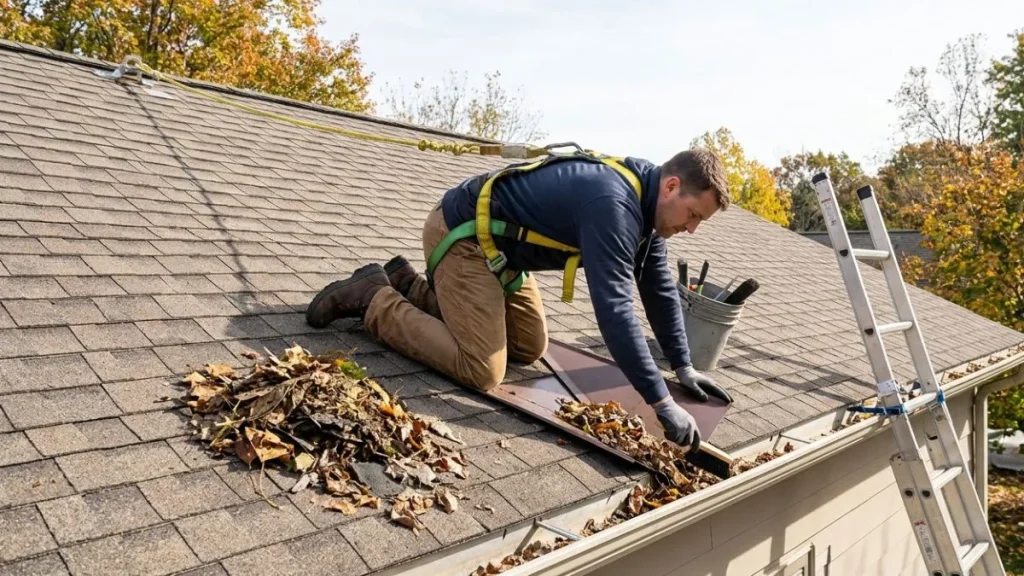
Inspect roof valley diverters at least twice a year, ideally in spring and fall. Look for signs of wear, rust, or loose fittings. Pay close attention after storms or heavy winds, which can loosen or damage components.
- Check for debris: Leaves and twigs can block water flow.
- Look for cracks or splits: These allow water to seep under roofing.
- Examine fasteners: Nails or screws should be tight and corrosion-free.
- Inspect surrounding shingles: Damaged shingles can reduce diverter effectiveness.
Use a ladder safely and wear gloves during inspection. If you spot damage, mark the area for immediate repair. Keeping a maintenance log helps track inspection dates and findings.
| Inspection Task | What to Look For | Frequency |
| Debris Removal | Leaves, twigs, dirt blocking water flow | Every 3-6 months |
| Fastener Check | Loose or rusty nails and screws | Twice yearly |
| Surface Damage | Cracks, rust, or holes in diverter | Twice yearly |
Cleaning Procedures
Cleaning roof valley diverters removes dirt and debris, ensuring smooth water flow. Use a soft brush or broom to sweep away loose leaves and dirt. Avoid using metal tools that can scratch or damage the surface.
For stubborn grime or moss, mix warm water with mild detergent. Gently scrub the diverter with a sponge or soft cloth. Rinse thoroughly with clean water to prevent soap residue buildup.
- Wear gloves and safety glasses during cleaning.
- Use a garden hose with moderate pressure for rinsing.
- Do not use high-pressure washers; they can damage diverters.
- Clean nearby roof areas to prevent debris buildup.
Schedule cleaning at least twice a year or more after heavy storms. Keeping diverters clean reduces water overflow and protects your roof structure.
Repairing Damage
Repair small cracks or holes promptly to avoid water leaks. Use roofing sealant or waterproof caulk designed for metal or roofing materials. Clean the damaged area before applying the sealant for better adhesion.
For loose or missing fasteners, replace with corrosion-resistant screws or nails. Tighten any loose parts carefully without over-tightening, which can cause damage.
If rust appears, remove it with a wire brush and apply rust-inhibiting primer before repainting. Large damage or bent sections may require professional repair or replacement.
- Identify the damaged area during inspection.
- Clean and dry the area thoroughly.
- Apply roofing sealant or replace fasteners.
- Paint or coat repaired sections to protect against rust.
- Monitor repairs during following inspections.
Timely repairs keep roof valley diverters working well and prevent water damage inside your home. Always use materials compatible with your diverter and roofing type.
You May Like Also: Installing Gutters With No Overhang
Conclusion
A roof valley rain diverter without gutters helps control water flow well. It protects your home from water damage and soil erosion. This simple tool keeps rainwater away from weak spots on your roof. Easy to install and low maintenance, it fits many roof types.
Choose the right diverter to improve your roof’s safety. Water management matters for a long-lasting, strong roof. Small steps like this make a big difference over time. Keep your home dry and safe with smart rain control.