

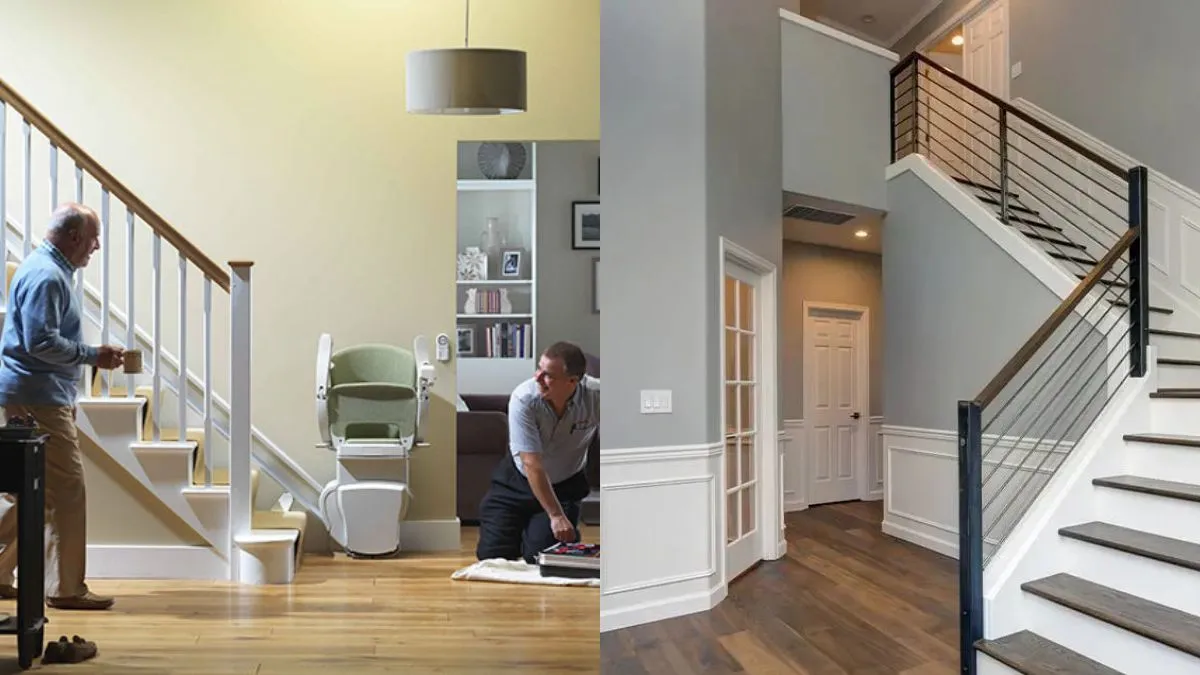
Are you thinking about moving a staircase in your home? You’re probably wondering, “How much is this going to cost me?” Moving a staircase isn’t a simple task, and the price can vary a lot depending on several factors.
Knowing what to expect can help you plan your budget better and avoid surprises. You’ll discover the key costs involved, what affects the price, and tips to save money while making your home look exactly how you want. Keep reading to get the full picture before you start this big project.
Factors Influencing Staircase Moving Costs
Moving a staircase involves many factors that affect the overall cost. Understanding these factors helps plan your budget better. The price depends on the staircase type, materials, design, labor, and site conditions. Each factor adds to the complexity and expense of the project. Here is a detailed look at the key elements influencing staircase moving costs.
Type Of Staircase
The type of staircase plays a major role in the cost of moving it. Different staircases have different structures and sizes. These differences impact the amount of work needed.
- Straight Staircases: Easier and cheaper to move due to simple design.
- L-Shaped or U-Shaped Staircases: More complex, requiring extra steps to dismantle and rebuild.
- Spiral Staircases: Usually the most expensive to move because of their curved shape and custom parts.
Complexity Of Design
The design complexity affects the time and skill needed for moving a staircase. Simple designs are easier to dismantle and reassemble. Complex designs require careful work to avoid damage.
Consider these design factors:
- Ornate railings and balusters: Need extra care and time to move.
- Custom shapes: May require custom tools or adjustments during reinstallation.
- Multiple landings or turns: Increase dismantling and rebuilding work.
Labor And Expertise Required
Skilled labor is essential for moving a staircase safely and correctly. The level of expertise affects the price significantly.
Factors to consider:
- Experience: Experts charge more but reduce risk of damage.
- Number of workers: Larger teams may speed up work but cost more.
- Specialized skills: Needed for certain materials or designs.
Location And Accessibility
The site’s location and how easy it is to access the staircase impact moving costs. Difficult access increases time and effort.
- Tight spaces: Narrow halls or doors make moving harder and slower.
- Multiple floors: Staircases on higher floors need more careful handling.
- Remote areas: Travel fees may add to the cost.
Cost Breakdown By Staircase Type
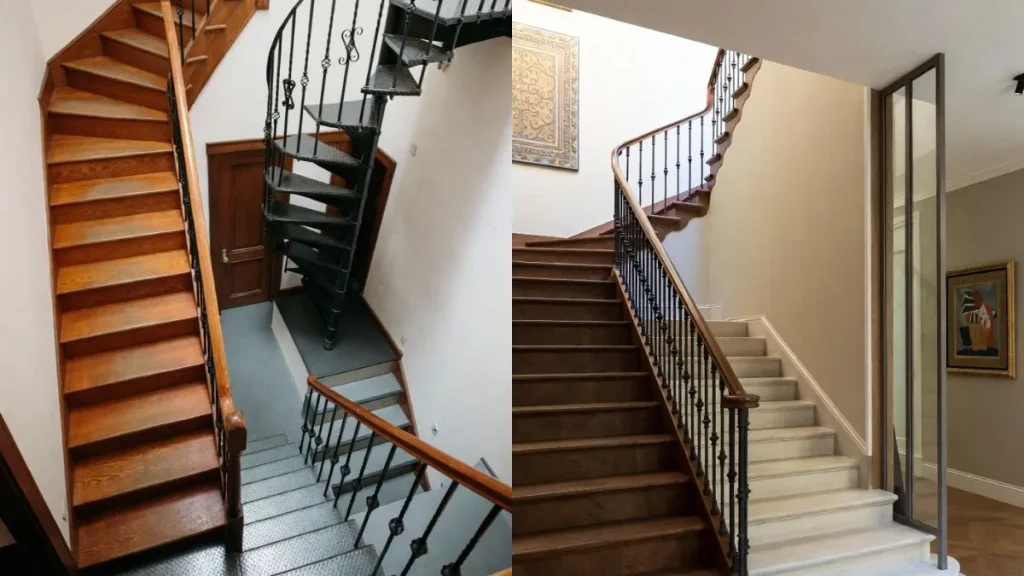
Moving a staircase is a complex home renovation task with costs varying by staircase type. Understanding the cost breakdown helps plan your budget carefully. Each type of staircase—straight, L-shaped, U-shaped, or spiral—requires different materials, labor, and structural work. These factors influence the final price. Below is a detailed cost analysis based on the type of staircase you want to move.
Straight Staircases
Straight staircases are the simplest to move due to their linear design. They usually cost less than other types because the construction involves fewer turns and less framing work.
Cost Factors:
- Length of the staircase
- Type of material (wood, metal, or concrete)
- Floor height
- Labor costs for demolition and rebuilding
| Cost Item | Estimated Price |
| Demolition | $500 – $1,000 |
| Material | $1,000 – $3,000 |
| Labor | $1,500 – $4,000 |
Moving a straight staircase often involves less disruption to your home. It requires fewer changes to the floor plan, reducing extra construction work. This type suits many homes and budgets.
L-shaped And U-shaped Staircases
L-shaped and U-shaped staircases have one or two turns, which add complexity to the move. These types often require more framing, additional support, and careful planning to fit the new space.
Cost Factors:
- Number of turns and landings
- Additional framing and support
- Material type
- Labor intensity
| Cost Item | Estimated Price |
| Demolition and Removal | $1,000 – $2,000 |
| Materials | $2,500 – $5,000 |
| Labor | $3,500 – $8,000 |
These staircases often need changes to the surrounding walls or floors. Expect higher costs for structural adjustments and permits. The design adds elegance but costs more to relocate.
Spiral Staircases
Spiral staircases are the most unique and challenging to move. Their curved structure requires specialized skills and custom materials. Moving a spiral staircase usually costs the most.
Cost Factors:
- Custom metal or wood fabrication
- Precision in installation
- Structural modifications
- Labor expertise
| Cost Item | Estimated Price |
| Disassembly and Removal | $1,500 – $3,000 |
| Materials and Fabrication | $5,000 – $12,000 |
| Labor and Installation | $3,500 – $10,000 |
Spiral staircases save space but need careful planning. The moving process might involve cutting and reshaping parts. Costs rise due to the need for expert craftsmanship and time.
Additional Expenses To Consider
Moving a staircase involves more than just labor and materials. Additional expenses can impact the total cost significantly. These costs often surprise homeowners and can affect the project budget.
Understanding these extra expenses helps plan better and avoid unexpected bills. The main categories to consider include permits and inspections, structural modifications, and finishing and repairs. Each plays a key role in the staircase move and adds to the overall cost.
Permits And Inspections
Most local governments require permits for major home changes like moving a staircase. Permits ensure safety and compliance with building codes. Without proper permits, you risk fines or having to undo the work.
Typical costs for permits range from $100 to $500, depending on your location and project size. The process includes submitting plans and waiting for approval.
Inspections occur at various stages:
- After demolition of the old staircase
- During structural framing of the new location
- Final inspection once the staircase is installed
Each inspection can cost between $50 and $200. These ensure that the work meets safety standards and local regulations.
| Permit/Inspection Type | Estimated Cost | Purpose |
| Building Permit | $100 – $500 | Approval for structural changes |
| Rough-In Inspection | $50 – $150 | Check framing and support |
| Final Inspection | $100 – $200 | Verify completed work meets code |
Skipping permits or inspections can cause delays and extra costs. Always budget for these to keep the project legal and safe.
Structural Modifications
Moving a staircase often requires major changes to your home’s structure. The floor, walls, and ceiling may need alterations to fit the new staircase location.
Common structural modifications include:
- Reinforcing floor joists to support new stair weight
- Cutting openings in walls or floors for stair placement
- Adding beams or posts for extra support
These changes can add $1,000 to $5,000 or more to your project, depending on complexity.
| Modification Type | Estimated Cost | Details |
| Floor Joist Reinforcement | $1,000 – $3,000 | Strengthen floor for stair load |
| Wall Opening Creation | $500 – $2,000 | Cut and frame openings for stairs |
| Support Beam Installation | $1,500 – $5,000 | Add beams or posts to hold stairs |
Structural work must be done carefully to avoid damage and ensure safety. Use a licensed contractor for these tasks.
Finishing And Repairs
After moving the staircase, finishing work restores the space’s look and feel. This includes drywall, painting, flooring, and trim work.
Common finishing tasks:
- Patch and paint walls where the old staircase was
- Install flooring to match the surrounding area
- Add baseboards, handrails, and trim to the new stairs
Costs vary widely but expect to spend between $1,000 and $4,000 on finishing.
Repairs may also be needed for any damage caused during demolition or construction. This includes fixing scratches, dents, or holes.
| Finishing Task | Estimated Cost | Notes |
| Drywall Repair and Painting | $500 – $1,500 | Restore walls and ceiling |
| Flooring Installation | $500 – $2,000 | Match or replace floor materials |
| Trim and Handrail Work | $300 – $500 | Finish edges and stair safety |
Quality finishing improves your home’s appearance and value. Plan for these costs to avoid last-minute surprises.
Ways To Reduce Moving Costs
Moving a staircase can be expensive, but there are smart ways to reduce the overall cost. Knowing how to save money helps you plan better and avoid surprises. Cutting costs does not mean lowering quality. It means making smart choices and managing the process well. Here are some key strategies to reduce the expense of moving a staircase.
Diy Vs Professional Help
Deciding between doing the work yourself or hiring professionals affects your budget a lot. DIY can save money on labor, but it requires skills and tools.
- DIY Pros: No labor charges, full control over the project, learn new skills.
- DIY Cons: Risk of mistakes, need tools, time-consuming, may require permits.
- Professional Pros: Skilled work, faster completion, safer, handles permits.
- Professional Cons: Labor costs increase total price, less control.
Choosing Cost-effective Materials
Material choice impacts the total cost heavily. Some materials cost more but last longer, while others are cheaper but less durable. Picking the right materials balances cost and quality.
Here are some affordable material options:
- Wood: Pine is cheaper than oak or maple but less durable.
- Metal: Steel is strong but can be costly; aluminum is lighter and cheaper.
- Composite materials: Offer good durability at moderate prices.
Planning And Timing
Planning the staircase move carefully can save money on labor and materials. Start by setting a clear budget and timeline.
Consider these tips:
- Schedule during off-peak seasons. Contractors may offer lower rates.
- Order materials early. Avoid rush fees and limited choices.
- Prepare the site. Clear the area to reduce labor time.
- Get multiple quotes. Compare prices from different professionals.
- Plan for permits. Arrange all permissions in advance to avoid delays.
Good timing can reduce the total move time, lowering labor costs. Also, avoid changes after work starts to prevent extra charges.
Average Cost Estimates
Moving a staircase involves several factors that influence the total cost. The average cost estimates depend on the complexity of the job, materials used, and labor charges. Costs can vary widely, from simple changes to custom, high-end projects. Understanding the typical price ranges helps plan your budget effectively.
Low-end Budget
The low-end budget for moving a staircase usually covers basic projects with minimal changes. These projects often involve relocating a simple wooden staircase within a small area. The work includes removing the old staircase, some minor framing, and installing the new one.
- Typical cost range: $3,000 to $7,000
- Materials: Standard wood or MDF
- Labor: Basic carpentry and framing
- Project scope: Small homes or apartments
Mid-range Pricing
Mid-range projects involve more complex changes. These include custom stair designs, moderate structural work, and better materials. The staircase might move to a new location requiring wall modifications or floor reinforcement.
- Typical cost range: $7,000 to $15,000
- Materials: Hardwood, wrought iron, or glass elements
- Labor: Skilled carpentry, electrical, and drywall work
- Project scope: Medium-sized homes with design upgrades
High-end Projects
High-end staircase moves involve custom designs with luxury materials and complex engineering. These projects include curved or floating stairs, integrated lighting, and premium finishes. Structural work can be extensive, sometimes requiring architectural plans.
- Typical cost range: $15,000 to $50,000+
- Materials: Exotic woods, steel, glass, marble
- Labor: Expert craftsmen, engineers, electricians
- Project scope: Large homes or commercial spaces
Conclusion
Moving a staircase can cost a lot or a little, depending on many things. The size, materials, and labor all affect the price. Planning carefully helps avoid surprises later. Always get quotes from different builders first. This way, you find the best price for your needs.
Remember, a well-done staircase adds value to your home. Take time to choose the right design and builder. This makes the project smooth and worth the cost. Moving a staircase is a big job, but it can improve your space a lot.


