
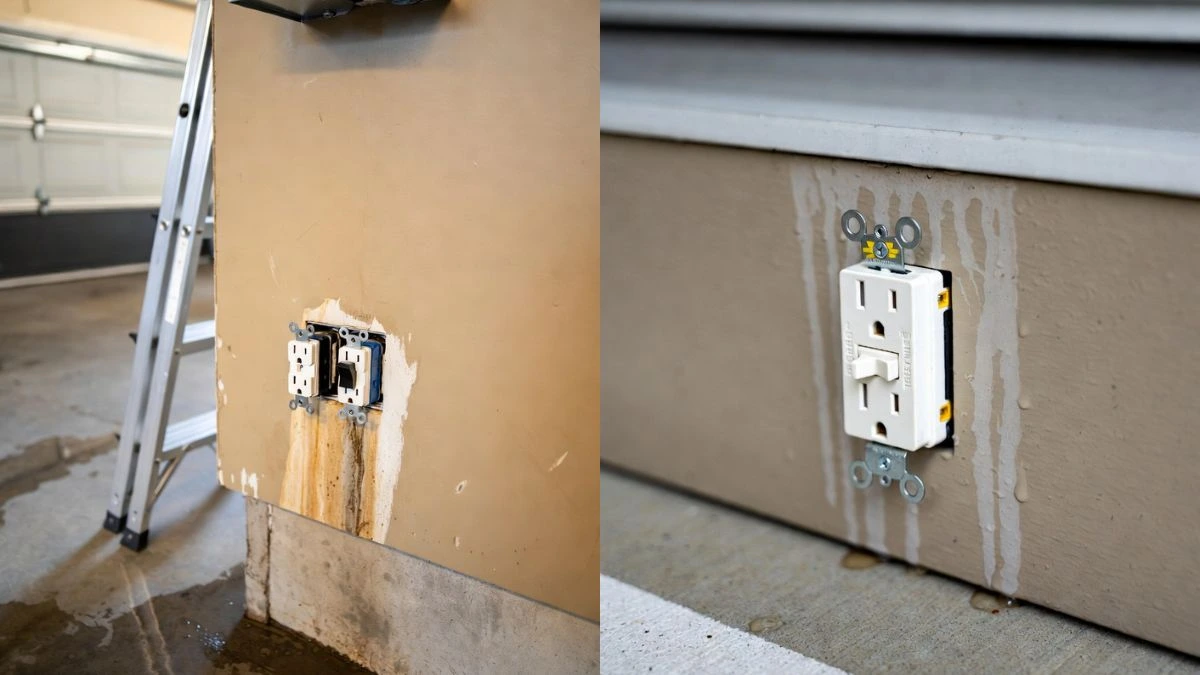
Is your garage GFCI outlet tripping every time it rains? It can be frustrating and even a little worrying.
You rely on that outlet for tools, chargers, or other important devices, and when it keeps shutting off, it disrupts your work and peace of mind. But why does this happen, and what can you do to fix it? You’ll discover the common reasons behind a GFCI outlet tripping after rain and simple steps you can take to stop it for good.
Causes Of GFCI Tripping
Garage GFCI outlets often trip after rain due to several common causes. These outlets are designed to protect people from electric shocks by cutting power when they detect a ground fault. The tripping after rain usually points to problems related to moisture or electrical faults.
Water Ingress And Moisture
Water entering the GFCI outlet or its wiring is a frequent cause of tripping after rain. Moisture creates a path for electricity to flow to the ground, which triggers the GFCI to cut power. This safety feature prevents electric shocks but causes inconvenience if it happens often.
Common sources of water ingress include:
- Cracks or gaps around the outlet cover.
- Leaking roof or walls near the garage.
- Condensation inside the outlet box.
- Flooding or pooling water on the garage floor.
Faulty Wiring Issues
Improper or damaged wiring inside the garage can cause a GFCI outlet to trip. Faulty wiring creates ground faults or short circuits that the GFCI detects. This problem may worsen after rain if water affects exposed wires.
Signs of wiring problems include:
- Loose wire connections at the outlet.
- Damaged insulation on wires.
- Incorrect wiring of line and load terminals.
- Wire corrosion caused by moisture.
Damaged GFCI Outlet
GFCI outlets wear out over time or get damaged from electrical surges or moisture exposure. A damaged GFCI outlet may trip without real faults. Rain can worsen the damage by causing internal corrosion or short circuits.
Signs of a damaged GFCI outlet:
- Outlet trips immediately after resetting.
- Physical cracks or discoloration on the outlet.
- Outlet feels warm or overheats.
- Reset button does not stay engaged.
Overloaded Circuits
Overloading the circuit connected to the GFCI outlet causes it to trip frequently. This happens when too many devices or tools run on the same circuit. After rain, damp tools or equipment may draw extra current, increasing the load.
Common overload causes:
- Multiple power tools used simultaneously.
- Extension cords plugged into the outlet.
- High-power devices like heaters or compressors.
- Faulty appliances drawing excessive current.
Effects Of Rain On Garage Electricals

The garage GFCI outlet keeps tripping after rain because moisture affects electrical parts. Rainwater can enter the garage and cause problems with wiring and outlets. Wet conditions create short circuits and safety issues. Understanding the effects of rain on garage electricals helps prevent damage and frequent trips.
Common Vulnerable Areas
Several garage electrical spots are prone to water damage during rain. These areas often face moisture exposure due to poor sealing or direct water contact. Protecting these areas reduces the risk of GFCI outlet trips and electrical faults.
- Outdoor electrical outlets: These are exposed to rain and may lack waterproof covers.
- Garage door opener outlets: Moisture can seep in through gaps around the door.
- Wiring near windows and doors: Rainwater can enter through cracks or faulty seals.
- Light fixtures and switches: Poorly sealed fixtures allow water inside.
- Breaker panel: If located in the garage, it may get damp from humidity or leaks.
Many issues come from small leaks or cracks. Fixing these weak spots helps keep the electrical system safe and dry.
| Vulnerable Area | Reason for Exposure | Protection Tip |
| Outdoor outlets | No waterproof cover | Install weatherproof covers |
| Garage door opener outlets | Gaps around door | Seal gaps with weather stripping |
| Wiring near windows | Cracked seals | Use caulk to close cracks |
| Light fixtures | Poor seals | Replace with waterproof fixtures |
| Breaker panel | Damp environment | Ensure dry, ventilated area |
Signs Of Water Damage
Water damage in garage electricals shows in many ways. Spotting these signs early avoids bigger problems. Look for these common indicators after rain:
- GFCI outlets trip frequently: The outlet shuts off to prevent shock from moisture.
- Burning smell or sparks: Moisture causes short circuits, which can produce odors or sparks.
- Corroded outlets or switches: Rust or greenish deposits appear on metal parts.
- Discolored or stained walls: Water stains near outlets or electrical boxes.
- Flickering lights: Moisture disrupts stable electrical flow.
Check outlets and wiring regularly for damage signs. Use this simple checklist to track issues:
- Test GFCI outlets monthly.
- Inspect outlet covers for cracks.
- Look behind outlets for dampness.
- Examine breaker panel for rust.
- Listen for unusual buzzing sounds.
Early detection helps prevent electrical hazards. Fix water leaks and replace damaged parts quickly.
Troubleshooting Steps
When a garage GFCI outlet keeps tripping after rain, it signals an electrical safety issue that needs attention. Troubleshooting helps find the root cause quickly and safely. This guide walks through clear steps to check moisture, test the outlet, assess the circuit load, and spot wiring problems. Follow these steps carefully to restore safe, reliable power in your garage.
Inspecting For Moisture
Moisture is a common cause of GFCI outlets tripping after rain. Water can enter the outlet box or wiring, causing the GFCI to detect a ground fault and shut off power.
Start by visually inspecting the outlet and its cover. Look for:
- Signs of water inside the outlet box or on the outlet itself
- Cracks or gaps in the outlet cover allowing water entry
- Dampness around the wires or inside the wall
Use a dry cloth or paper towel to wipe any visible moisture. Ensure the outlet cover is properly sealed and consider upgrading to a weatherproof cover if needed.
If moisture persists, check areas around the garage for leaks or poor drainage. Water pooling near the outlet can cause repeated trips.
| Possible Moisture Sources | Inspection Tips |
| Leaky roof or gutters | Look for water stains or dripping near the outlet |
| Poorly sealed windows or doors | Check seals and weather stripping for gaps |
| Condensation inside walls | Feel walls for dampness or mold spots |
Correcting moisture issues often stops GFCI trips. Dry the area thoroughly before resetting the outlet.
Testing The GFCI Outlet
Testing the GFCI outlet itself helps confirm if it is working properly or faulty. Follow these simple steps:
- Press the reset button on the outlet to restore power.
- Use the test button on the GFCI; the outlet should trip and cut power immediately.
- Press reset again to restore power.
- Plug in a small device like a lamp to verify power returns.
If the outlet fails to trip or reset correctly, it may be defective and require replacement. A GFCI outlet typically lasts about 10 years before wearing out.
Use a multimeter to check voltage output. Proper voltage confirms internal components function well.
Checking Circuit Load
Overloading the circuit can cause the GFCI to trip. Check how many devices and tools run on the same circuit as the garage outlet.
Steps to check load:
- Identify all devices plugged into the circuit.
- Note the power rating (watts or amps) of each device.
- Add the total load to see if it exceeds the circuit’s capacity, usually 15 or 20 amps.
Use this formula to calculate current:
Current (amps) = Power (watts) ÷ Voltage (volts)
For example, a 1200-watt tool on a 120-volt circuit draws 10 amps.
Example load calculation table:
| Device | Power (watts) | Current (amps) |
| Garage door opener | 300 | 2.5 |
| Power drill | 600 | 5 |
| Light fixture | 100 | 0.83 |
| Total | 8.33 |
Keep total load below the circuit limit to avoid trips. Unplug nonessential devices or distribute load across multiple circuits.
Identifying Wiring Problems
Faulty or loose wiring can cause GFCI outlets to trip, especially after rain. Water may cause short circuits or ground faults in damaged wiring.
Steps to identify wiring issues:
- Turn off power at the breaker before inspecting wiring.
- Remove the GFCI outlet cover and check wire connections.
- Look for loose, damaged, or corroded wires.
- Check if wires are properly connected to the LINE and LOAD terminals.
- Inspect wire insulation for cracks or signs of water damage.
Use a voltage tester or multimeter to detect shorts or continuity problems.
Common wiring faults include:
- Reversed LINE and LOAD terminals
- Loose ground wire
- Damaged insulation causing contact with metal parts
Incorrect wiring can cause nuisance tripping or failure to reset.
Hire a licensed electrician if wiring problems appear complex or unsafe to fix.
Preventive Measures

Preventive measures help stop your garage GFCI outlet from tripping after rain. Moisture causes the outlet to detect a fault and shut off power. Taking steps to keep water away and maintain the outlet reduces this problem. Simple fixes save time and prevent electrical hazards.
Ensure Proper Weatherproofing
Use weatherproof covers designed for outdoor GFCI outlets. These covers keep rain and moisture out, even when cords are plugged in. Check seals and replace cracked covers. A tight cover prevents water from entering the outlet box.
Install A Drainage System
Water pooling near the outlet increases the chance of tripping. Create a slope or install drains around the garage exterior. This directs rainwater away from the outlet area. Keep gutters clean to avoid overflow near the garage wall.
Use Outdoor-rated Gfci Outlets
Choose outlets made for outdoor use. These have better protection against moisture and dust. Outdoor-rated GFCIs last longer and handle wet conditions without tripping. Replace old or indoor-only outlets with the correct type.
Regular Inspection And Maintenance
- Check the outlet and cover for cracks or damage monthly.
- Wipe away dirt and moisture from the outlet and surrounding area.
- Test the GFCI button to ensure it trips and resets properly.
- Replace the outlet if it trips frequently without clear cause.
Seal Outlet Box And Wiring
Use silicone caulk or foam sealant around the outlet box edges. Seal cable entry points to block water seepage. Proper sealing stops moisture from reaching wiring and causing faults.
Limit Use Of Extension Cords
Extension cords can let moisture reach the outlet connections. Avoid using cords outdoors near your garage GFCI outlet. If needed, use cords rated for outdoor use and keep them dry.
| Preventive Measure | Benefit |
| Weatherproof Covers | Blocks rain, protects outlet from moisture |
| Drainage System | Prevents water pooling near outlet |
| Outdoor-Rated GFCI | Resists moisture, reduces false tripping |
| Regular Maintenance | Detects damage early, ensures proper function |
| Sealing Outlet Box | Stops water infiltration into wiring |
| Limit Extension Cord Use | Reduces moisture risk at connections |
Conclusion
A garage GFCI outlet that trips after rain shows moisture issues. Water can cause short circuits and safety risks. Check for leaks or poor sealing around the outlet. Replace old or damaged GFCI outlets to ensure safety. Keep the outlet dry and clean to prevent problems.
Regular inspection helps avoid frequent trips and electrical hazards. Taking these steps protects your home and keeps your power running smoothly. Stay safe and fix moisture problems quickly for peace of mind.