

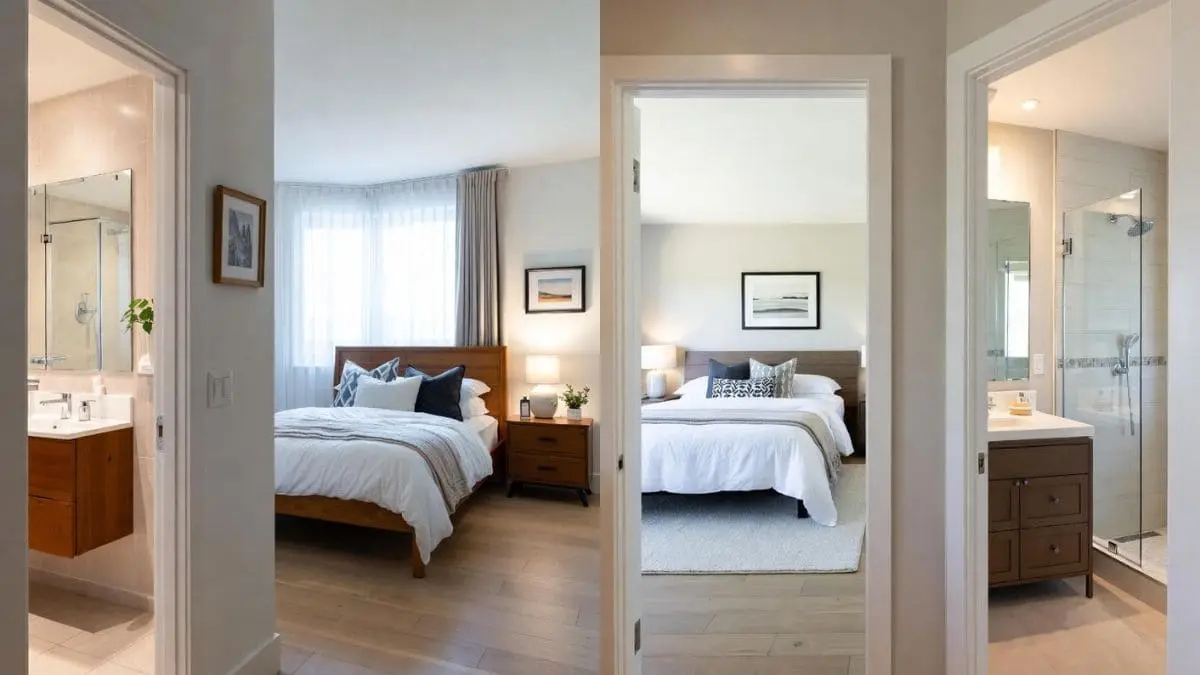
Have you ever tried to get a good night’s sleep, only to be disturbed by noises coming from the bathroom next to your bedroom? If so, you know how frustrating it can be.
Those unexpected sounds can break your focus, making it hard to relax or fall asleep. You might wonder why the noise feels so loud and what you can do to fix it. You’ll discover simple reasons behind the noise and easy solutions to create a quieter, more peaceful space.
Causes Of Bathroom Noise
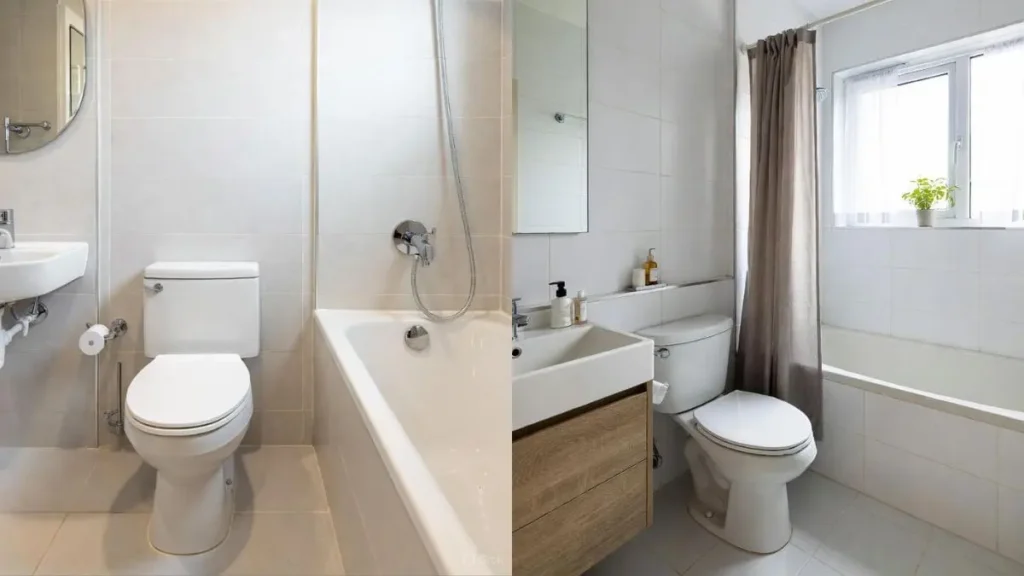
Living in a home where the bedroom is next to the bathroom often means dealing with noise issues. Bathroom noises can disrupt sleep and reduce comfort. Various sounds come from plumbing, flushing toilets, showers, and ventilation fans. Each of these has unique sources and characteristics. Identifying these causes is the first step to a quieter bedroom environment.
Plumbing Sounds
Plumbing sounds are common sources of bathroom noise. These noises come from pipes carrying water to and from the bathroom fixtures. Water rushing through pipes can create gurgling, knocking, or banging sounds. Some common plumbing sounds include:
- Water hammer: A loud banging noise when water flow stops suddenly.
- Pipe vibrations: Pipes shaking due to water pressure changes.
- Dripping taps: Continuous drips create a steady noise.
Old or loose pipes often make plumbing sounds worse. Pipes that are not secured properly can vibrate and hit walls. This increases noise in the bedroom next to the bathroom. Water pressure that is too high can cause pipes to rattle or knock. Checking water pressure and securing pipes can reduce these sounds.
Toilet Flushing
Toilet flushing is one of the most noticeable bathroom noises. The sound comes from water moving quickly into the bowl and refilling the tank. This process can be quite loud, especially in older toilets. Modern toilets tend to be quieter because they use less water and better design.
The main causes of toilet flushing noise include:
- Refill valve: The valve that refills the tank makes a hissing or whistling sound.
- Water rushing: Water flowing fast into the bowl produces a strong noise.
- Tank vibrations: The tank can shake or vibrate during flushing.
Shower And Water Flow
The shower produces noise from water flowing through pipes and hitting surfaces. High water pressure often increases the volume of these sounds. The sound of water hitting the shower floor, walls, or curtain can be loud and distracting. Shower noises include:
- Water hitting surfaces: Splashing sounds from water droplets.
- Pipe vibrations: Pipes may rattle due to water pressure.
- Drain noise: Water draining can cause gurgling sounds.
Hard surfaces like tile or glass reflect sound, making the bathroom noise louder. Using softer materials like shower curtains or bath mats can reduce echo. Lowering water pressure or installing quieter shower heads also helps reduce noise.
| Shower Noise | Cause | Noise Type |
| Water hitting surfaces | Water droplets splash | Splashing, dripping |
| Pipe vibrations | High water pressure | Rattling, knocking |
| Drain noise | Water draining quickly | Gurgling, bubbling |
Ventilation Fans
Ventilation fans help remove moisture but can cause noise problems. Fans create a constant humming or buzzing sound. Older fans are often louder due to worn-out motors or loose parts. Noise from ventilation fans can be annoying, especially during quiet hours.
Common ventilation fan noise causes include:
- Motor noise: The motor may hum or buzz when running.
- Loose fan blades: Blades can wobble and create vibrations.
- Air movement: Air rushing through vents causes a whooshing sound.
Impact On Sleep Quality
Noise from a bathroom next to the bedroom can seriously affect sleep quality. Sounds like flushing toilets, running water, or shower noise may interrupt rest. Even small noises can wake light sleepers or reduce deep sleep phases. Over time, this leads to poor sleep and tired mornings.
Sleep Disruption
Bathroom noise causes frequent waking or difficulty falling asleep. The brain reacts to sudden sounds, making it hard to stay in deep sleep. Interruptions may last only seconds but add up through the night. People often do not realize how much their sleep is disturbed.
- Toilet flushing: Sharp, sudden sounds can startle sleepers.
- Water running: Continuous noise may prevent deep sleep stages.
- Shower noise: Loud and steady, it can mask other soothing sounds.
Sleep cycles get fragmented, reducing the time spent in restful sleep. Light sleepers suffer most, waking easily to these noises.
| Noise Type | Effect on Sleep | Common Time of Occurrence |
| Toilet Flush | Startles, causes brief awakening | Night and early morning |
| Water Running | Disturbs deep sleep phases | Evening and night |
| Shower Sound | Makes falling asleep harder | Morning |
Stress And Fatigue
Repeated sleep disruption raises stress levels. The body does not get enough rest to repair and recharge. This causes tiredness during the day and lowers mood. Stress hormones increase, making it harder to relax and fall asleep next night.
- Wakefulness triggers the release of cortisol, the stress hormone.
- Low-quality sleep affects concentration and memory.
- Feeling tired increases irritability and reduces patience.
Fatigue from poor sleep leads to reduced performance at work or school. Simple daily tasks become harder. The cycle of stress and tiredness feeds itself, worsening sleep quality further.
Long-term Effects
Chronic exposure to bathroom noise near the bedroom can cause lasting health problems. Sleep deprivation weakens the immune system and increases risk for illnesses. Mental health suffers with ongoing tiredness and stress.
Common long-term issues include:
- Persistent fatigue: Constant tiredness that rest does not fix.
- Weakened immunity: More frequent colds and infections.
- Increased anxiety and depression: Linked to poor sleep patterns.
- Heart problems: High blood pressure risk rises with sleep loss.
Ignoring the problem can reduce life quality. Early steps to reduce noise improve health and mood in the long run.
Noise Reduction Techniques

These methods reduce sound transfer and improve comfort. Using the right approach can make a big difference in noise levels. Simple steps can stop noise from plumbing, flushing, and water running. Below are effective noise reduction techniques to consider.
Soundproofing Walls
Soundproofing walls is one of the best ways to reduce noise between a bedroom and bathroom. Adding materials that block or absorb sound can lower noise significantly.
- Mass Loaded Vinyl (MLV): A dense material added inside walls to block sound waves.
- Acoustic Panels: These panels absorb sound and reduce echo inside the room.
- Double Drywall: Installing a second layer of drywall with a damping compound reduces sound transfer.
- Insulation: Fiberglass or foam insulation inside the wall cavity cuts noise.
Sealing Gaps And Cracks
Small gaps and cracks let sound pass easily. Sealing these openings stops noise leaks and improves soundproofing.
Common areas to check include:
- Spaces around door frames
- Window edges
- Cracks near electrical outlets and switches
- Gaps where pipes enter walls
Using White Noise Machines
White noise machines mask sounds from the bathroom with a steady, soothing sound. This helps the brain ignore sudden noises.
White noise machines work well because:
- They create constant background noise
- They help people fall asleep faster
- They reduce the impact of sudden sounds like flushing or water running
Types of white noise machines:
| Type | Features | Price Range |
| Basic White Noise | Simple white noise, low cost | $20 – $40 |
| Nature Sounds | Includes rain, ocean, wind sounds | $30 – $60 |
| Smart Machines | Timer, volume control, app integration | $50 – $100 |
Place the machine near the bedroom’s noise source for best effect. The sound should be loud enough to cover bathroom noises but not disturb sleep.
Soft-close Fixtures
Soft-close fixtures reduce noise from bathroom doors, toilet lids, and cabinets. These fixtures close slowly and quietly.
- Soft-close toilet seats: Prevent slamming noises when closing the lid.
- Soft-close cabinet doors: Stop loud banging from cabinets.
- Soft-close bathroom doors: Use hydraulic or pneumatic hinges to close doors quietly.
Installing soft-close fixtures helps minimize sudden loud sounds. This creates a calm environment in the bedroom next to the bathroom.
Bathroom Design Tips
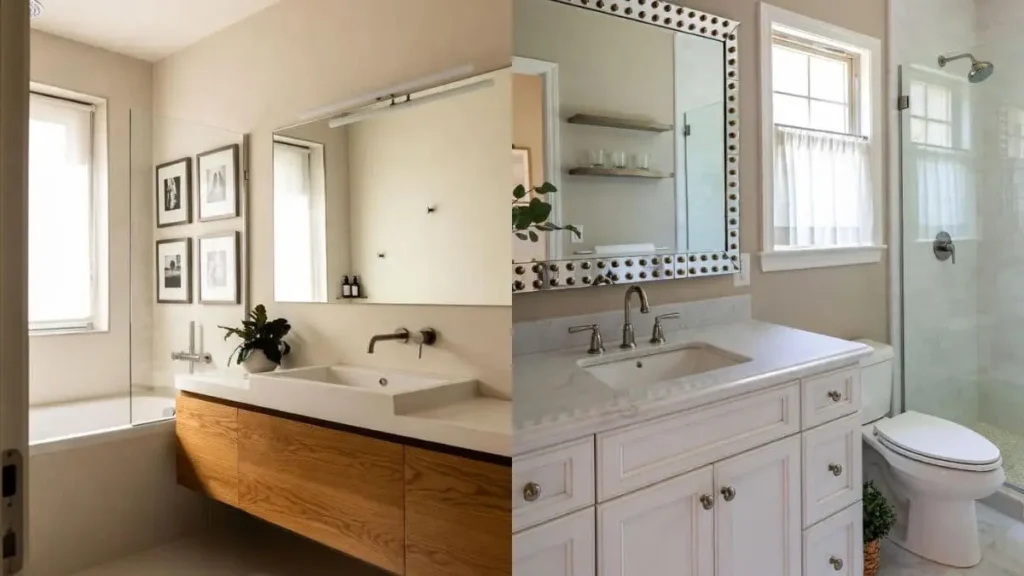
Designing a bathroom next to a bedroom requires smart planning to reduce noise and improve comfort. Bathroom noise can disturb sleep and daily peace. Effective bathroom design can help control sound and provide a quiet space for rest. Simple changes in layout, materials, and ventilation make a big difference. These tips focus on minimizing noise and creating a calm environment.
Layout Considerations
Planning the bathroom layout carefully helps reduce noise reaching the bedroom. Place noisy fixtures like toilets and showers as far as possible from the bedroom walls. Consider these points:
- Use a buffer zone: A closet, hallway, or storage space between the bathroom and bedroom lowers sound travel.
- Separate doors: Avoid doors of both rooms facing each other directly.
- Isolate plumbing walls: Build plumbing walls away from bedroom walls if possible.
In tight spaces, use a layout that places the bathroom on the opposite side of the bedroom’s main wall. This reduces noise transfer through common walls.
Material Choices
Using the right materials blocks sound and adds comfort. Sound travels through walls, floors, and ceilings. Choose materials that absorb or block noise effectively.
Consider these material options:
- Drywall: Use double layers with soundproofing glue between them.
- Insulation: Install dense insulation like mineral wool inside bathroom walls.
- Flooring: Choose soft materials like cork or rubber underlayments to reduce sound.
- Doors: Solid core doors reduce noise better than hollow ones.
- Seal gaps: Use weatherstripping around doors and windows to block sound leaks.
Ventilation Placement
Ventilation systems can cause noise if placed poorly. Fans or vents next to the bedroom wall increase sound disturbance. Position ventilation carefully to reduce noise impact.
Use these tips for better ventilation placement:
- Locate fans away from bedroom walls. Place them on exterior walls or ceilings far from sleeping areas.
- Choose quiet fans. Look for models designed to operate quietly.
- Use ductwork with sound dampeners. Add insulated ducts or mufflers to reduce fan noise.
- Regular maintenance. Keep fans clean to avoid extra noise from wear or debris.
Alternative Bedroom Placement

Living with a bedroom next to a bathroom often means dealing with noise that disrupts sleep and peace. Sounds like running water, flushing toilets, and closing doors can be loud and annoying. Choosing an alternative bedroom placement helps reduce these disturbances. Moving the bedroom away from the bathroom or rearranging the space can create a quieter, more restful environment.
Room Arrangement Ideas
Changing the position of the bedroom in the house can cut down bathroom noise significantly. Think about placing the bedroom on the opposite side of the house or farther from the bathroom. This simple step reduces the sound that travels through walls.
Here are some ideas for arranging rooms to minimize noise:
- Use hallways or closets as buffer zones between the bathroom and bedroom.
- Position less-used rooms like storage or laundry rooms next to the bathroom.
- Avoid placing the bedroom directly above or below the bathroom to reduce noise from plumbing.
Using Sound Barriers
Sound barriers help block or absorb noise between rooms. Adding these barriers between the bathroom and bedroom can reduce noise without changing room locations.
Some effective sound barrier options include:
- Thick curtains or acoustic panels on walls shared with the bathroom.
- Adding insulation inside walls to absorb sound.
- Installing soundproof doors or door seals to block noise from entering the bedroom.
- Using rugs or carpets to reduce sound reflection.
Furniture Placement
Strategic furniture placement can also help reduce bathroom noise in the bedroom. Large, heavy furniture absorbs sound and creates a natural buffer.
Follow these tips for best furniture placement:
- Place the bed against the wall farthest from the bathroom.
- Use bookshelves or wardrobes along the bathroom wall to block noise.
- Add soft items like cushions and curtains to absorb sound.
- Arrange furniture to create a barrier between the bathroom and the sleeping area.
Conclusion
Noise from a bathroom can disturb your sleep and comfort. Simple changes help reduce sound between rooms. Adding soft materials like rugs or curtains absorbs noise well. Sealing gaps in doors or walls blocks sound from passing through. Even small fixes can make a big difference.
A quiet bedroom means better rest and less stress. Try these ideas to enjoy peaceful nights. Quiet spaces improve your daily mood and health. Keep noise low for a calm, restful home.